US Blacklists Philippines Internet Infrastructure Provider Tied to $200M Crypto Scam
The US has imposed sanctions on a Philippines-based digital infrastructure provider accused of facilitating a large-scale crypto scam that have led to over $200m in reported losses from American victims.The US Department...
Archive context
Older archive item. Useful for background and entity history, but not a fresh market-moving signal.

The US has imposed sanctions on a Philippines-based digital infrastructure provider accused of facilitating a large-scale crypto scam that have led to over $200m in reported losses from American victims.
The US Department of the Treasury’s Office of Foreign Assets Control (OFAC) announced on Thursday that it has designated Funnull Technology, along with its administrator, Liu Lizhi, for supporting cyber-enabled investment fraud operations, often known as “pig butchering” scams.
“Today’s action underscores our focus on disrupting the criminal enterprises, like Funnull, that enable these cyber scams and deprive Americans of their hard-earned savings,” said Deputy Secretary of the Treasury Michael Faulkender.
Today, the Department of the Treasury’s Office of Foreign Assets Control sanctioned Funnull Technology Inc., a Philippines-based company that provides computer infrastructure for hundreds of thousands of websites involved in virtual currency investment scams, commonly known as…
— Treasury Department (@USTreasury) May 29, 2025 US Treasury Links Funnull to Infrastructure Behind Widespread Crypto FraudAccording to the Treasury, Funnull provided technical infrastructure for hundreds of thousands of scam websites. Many of these sites were tied to crypto fraud. In particular, they targeted Americans through fake investment schemes.
The company allegedly bought IP addresses in bulk from cloud service providers. It then sold them to cybercriminals. These actors used the infrastructure to host scam websites and other malicious content.
Moreover, investigators say Funnull’s infrastructure supported many platforms flagged in crypto scam reports to the FBI. Victims of these scams reported average losses of more than $150,000.
Typically, the scams rely on false identities and scripted conversations. These are used to build trust with victims. Eventually, the victims are persuaded to invest in fake digital assets through counterfeit platforms that display falsified returns.
Authorities Say True Victim Losses Likely Much Higher Than ReportedThe schemes are increasingly operated by criminal organizations based in Southeast Asia. Some of these groups reportedly use trafficked labor to carry out the scams. Once a victim refuses to invest more, the scammer cuts off communication. At that point, the entire investment vanishes.
Meanwhile, Funnull allegedly used domain generation algorithms to create large volumes of deceptive website names. It also distributed web design templates that helped scammers quickly launch new fraudulent sites. In 2024, the company was found to have altered a widely used code repository. This modification redirected traffic from legitimate websites to scam and gambling platforms, some of which are linked to money laundering networks.
In addition, the Treasury said Liu Lizhi managed internal operations at Funnull. He kept spreadsheets tracking employee performance, assigned tasks, and domain usage tied to fraudulent activity, including phishing and gambling sites.
To support detection efforts, the FBI, working in coordination with the Treasury, plans to release a cybersecurity advisory. It will include technical details to help identify infrastructure linked to Funnull.
Finally, authorities warn that reported losses may severely understate the true scale of damage. Many victims of online scams never report the crime.
The post US Blacklists Philippines Internet Infrastructure Provider Tied to $200M Crypto Scam appeared first on Cryptonews.
Why this matters
This security story adds another data point to the current market tape and is useful when read alongside nearby source coverage.
Original source
Read on CryptonewsRelated market context

US Charges Man After Crypto Scam Wallets Received More Than $53M
TL;DR U.S. prosecutors have charged a Vietnamese national with money laundering tied to alleged cryptocurrency “pig butchering” sc...

Crypto Hacks: Three Projects Hacked in One Day as Losses Hit Over $11M
Three crypto projects were attacked on September 24, suffering combined losses of more than $11M. Attackers drained around $1.8M f...
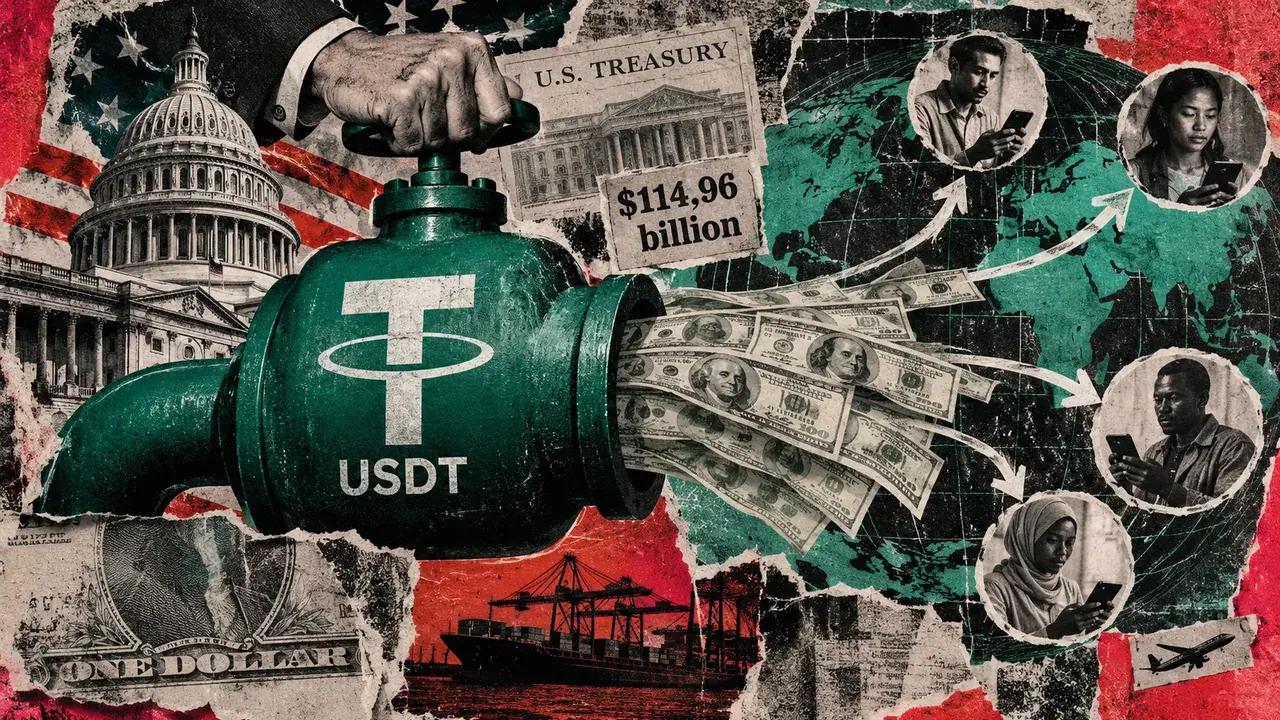
Washington has $114 billion reasons to want Tether around
Not that long ago, Washington fined Tether for misleading people about the dollars behind its tokens. Today, the company's insatia...
HIFI Raises $37M To Build Stablecoin And Tokenized Market Infrastructure
HIFI has raised a $37 million Series A led by Left Lane Capital. The company says the funding will expand stablecoin payments, car...

Scammers steal over $2M by creating fake GIWA blockchain
The incident highlights the urgent need for improved blockchain security measures and verification processes to prevent similar sc...
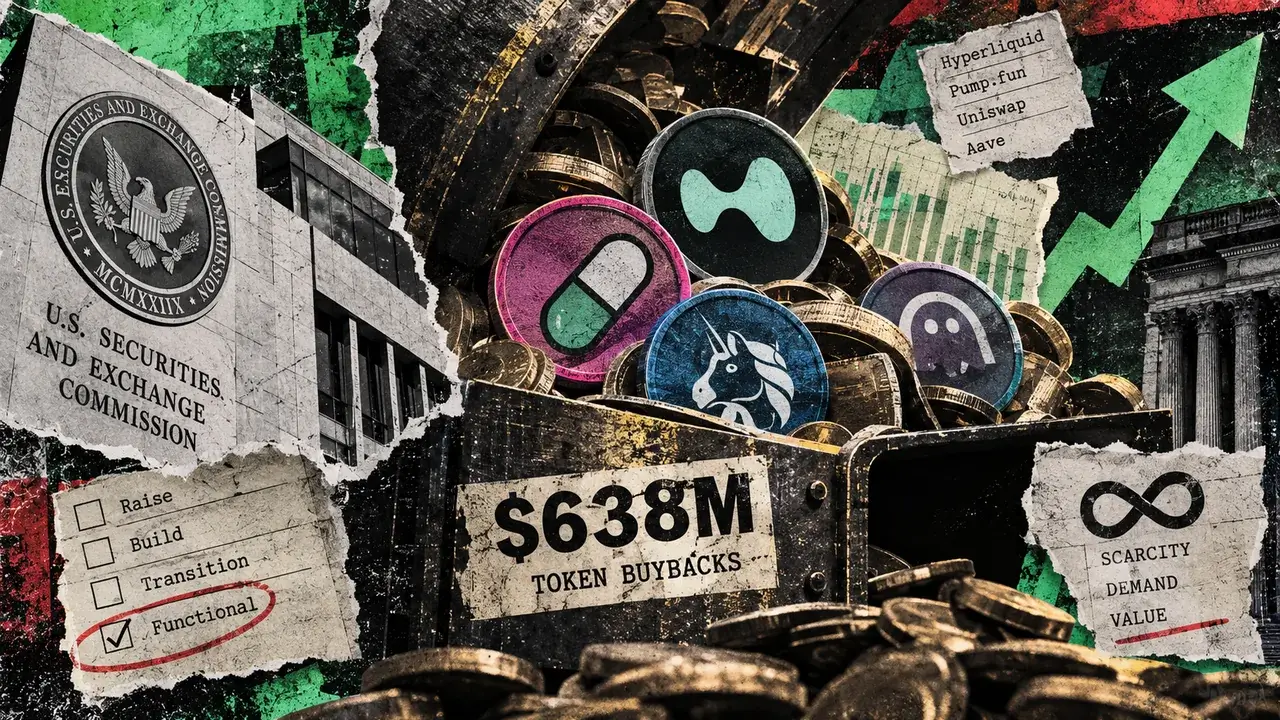
SEC clears regulatory hurdle as crypto token buybacks hit record $638 million
Crypto projects spent about $638 million with token buybacks through late August 2026, according to Allium Labs data. That is alre...