US Closes in on Iran’s Strait of Hormuz Bitcoin Insurance Policy, Sanctions Companies
Bitcoin Magazine US Closes in on Iran’s Strait of Hormuz Bitcoin Insurance Policy, Sanctions Companies Iran has been dodging sanctions by accepting pay in Bitcoin from ships passing through the Strait of Hormuz, accordin...
Watchlist
Archive context. The story has cross-source confirmation.
Bitcoin Magazine
US Closes in on Iran’s Strait of Hormuz Bitcoin Insurance Policy, Sanctions Companies
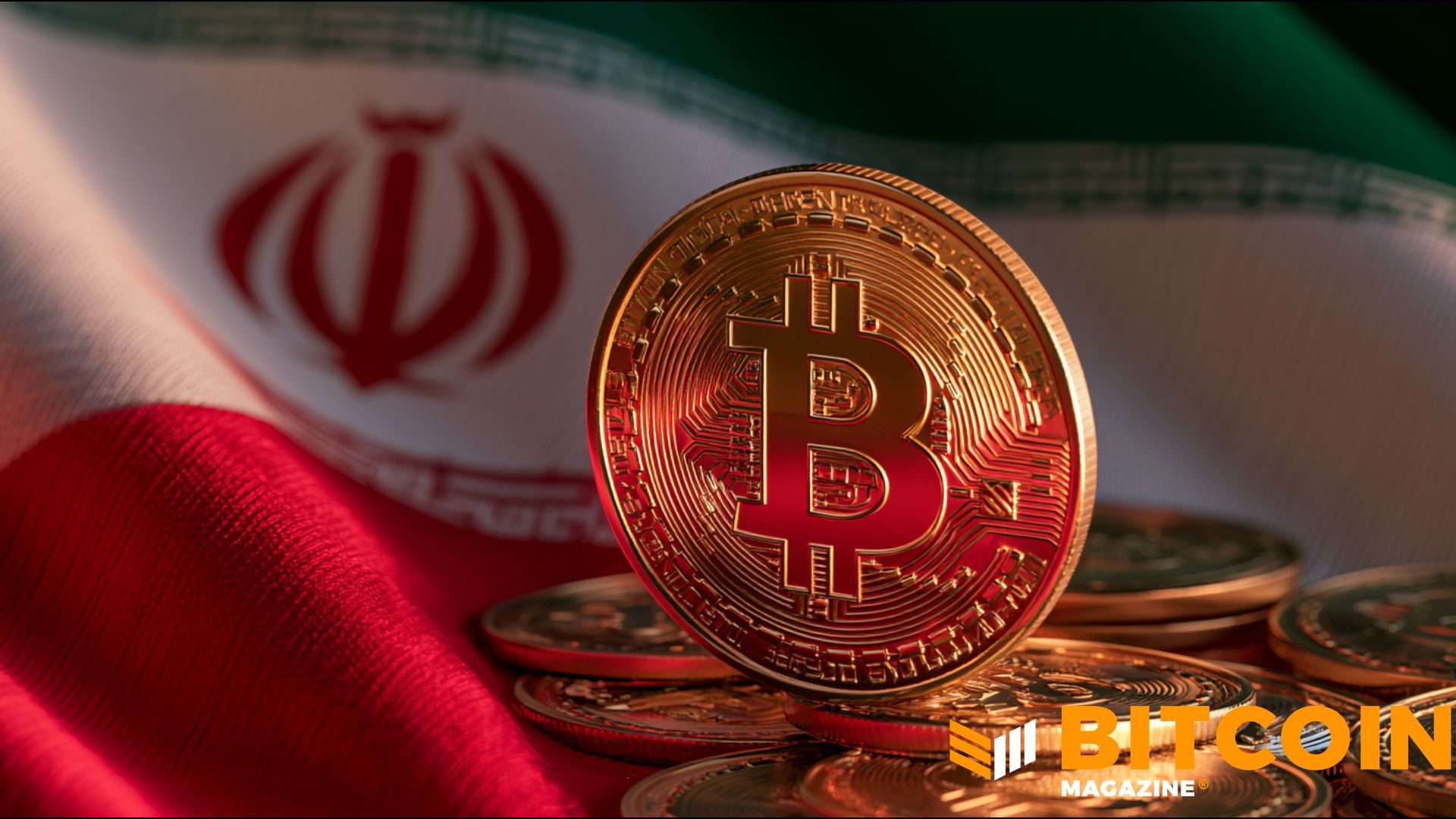
Iran has been dodging sanctions by accepting pay in Bitcoin from ships passing through the Strait of Hormuz, according to a Friday announcement from the U.S. Treasury’s Office of Foreign Assets Control.
The OFAC sanctioned the companies tied to the Iranian regime accused of doing so. Ships have barely been passing through the strategic Strait of Hormuz, where a fifth of the world’s oil passes through, since the U.S. and Israel attacked Iran in February.
In the statement, OFAC said that Hormuz Safe, developed by Iran’s Ministry of Economy, “accepts payment in Bitcoin and other digital assets” so it can bypass sanctions.
“With its economy in freefall and inflation in the triple digits, the regime is desperate for cash,” Secretary of the Treasury Scott Bessent said in a statement.
“The United States will not allow Iran to hold global commerce hostage or use international shipping to finance the IRGC’s terrorism, aggression, and repression.”
The OFAC statement added that two firms — the Persian Gulf Marine Insurance Company (PGMIC) and HormuzSafe Marine Services Authority (“Hormuz Safe”) — accused of running an IRGC-backed scheme forcing commercial vessels to buy mandatory “insurance” to transit the Strait of Hormuz.
Bloomberg first reported in May that Iran had started a Bitcoin-backed insurance service for Iranian shipping companies.
The U.S. earlier this month announced that it had frozen crypto linked to the Iranian regime, mostly in the form of the Tether stablecoin.
Stablecoins like Tether’s USDT can be frozen by the company that issues the asset but Bitcoin, being decentralized and having no single issuer, cannot.
Experts have warned that a recession could follow due to the war between the U.S. and Iran due to high oil prices if the Strait of Hormuz remains closed.
This post US Closes in on Iran’s Strait of Hormuz Bitcoin Insurance Policy, Sanctions Companies first appeared on Bitcoin Magazine and is written by Mathew Di Salvo.
Why this matters
Bitcoin is showing up inside the Stablecoins theme, so this story is worth tracking for follow-through rather than treating it as a one-off headline.
Original source
Read on Bitcoin MagazineRelated market context
‘We Know Where It Is’: Treasury Secretary Threatens To Freeze $1B of Iran’s Crypto
Bitcoin Magazine ‘We Know Where It Is’: Treasury Secretary Threatens To Freeze $1B of Iran’s Crypto U.S. Treasury Secretary Scott...
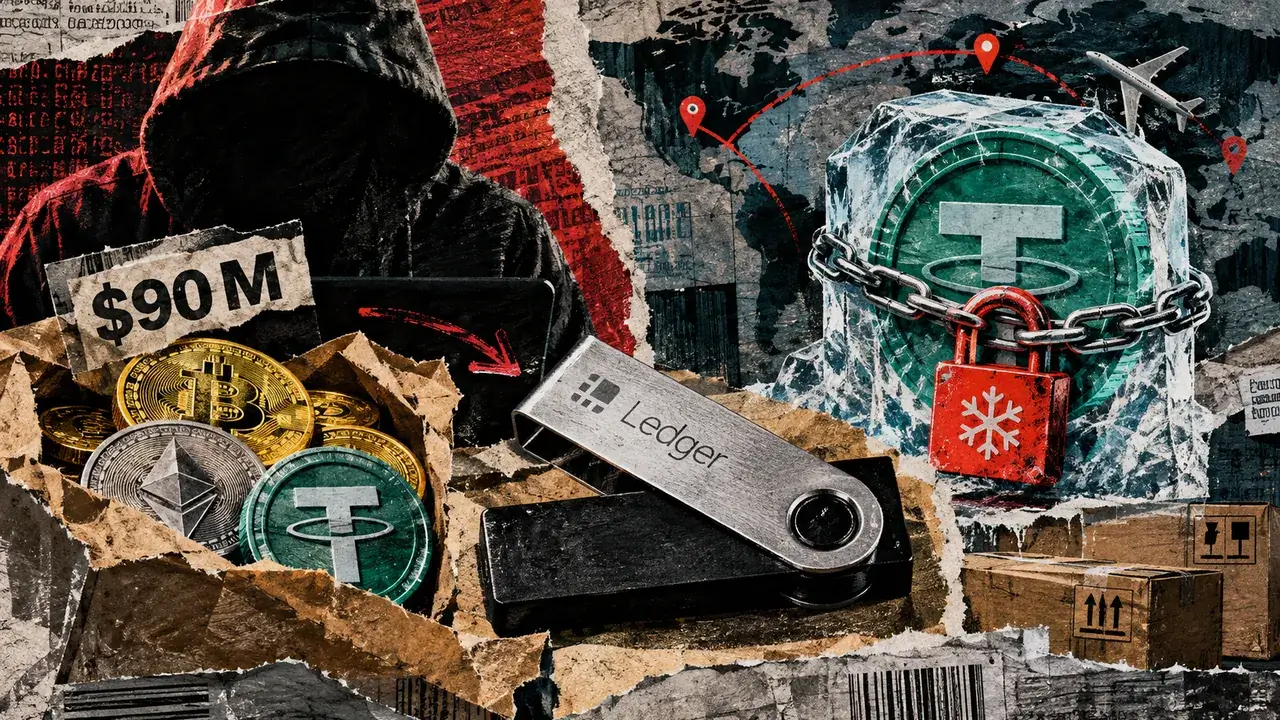
Ledger hack scare nears $90 million as Tether moves to freeze stolen USDT
Suspected Ledger wallet thefts are approaching $90 million as Tether freezes USDT stablecoin linked to the incident, according to...
Tether Freezes $1.45M in THORChain USDT Vaults, Then Reverses Blacklist Hours Later
Key Takeaways: The amount of about $1.45 million in USDT was temporarily frozen in THORChain vault addresses. According to THORCha...

Ledger theft-linked funds shift from USDT to USDD to dodge Tether freezes
The shift from USDT to USDD underscores vulnerabilities in stablecoin freeze mechanisms, prompting scrutiny on regulatory and secu...

Tether froze 1.45 million USDT in THORChain vaults, then reversed course three hours later
The incident highlights the vulnerability of DeFi protocols to centralized issuer actions, emphasizing the need for diversified as...

Tether freezes USDT linked to Ledger user thefts near $90 million
The freeze highlights the need for robust supply chain security and raises concerns about the limitations of centralized control i...