US Opens a New Front Against Iran’s Crypto Economy
Bitcoin Magazine US Opens a New Front Against Iran’s Crypto Economy The U.S. this week closed in on Iran, further targeting its crypto-related methods of dodging sanctions in a new economic campaign against the country....
Archive context
Older archive item. Useful for background and entity history, but not a fresh market-moving signal.
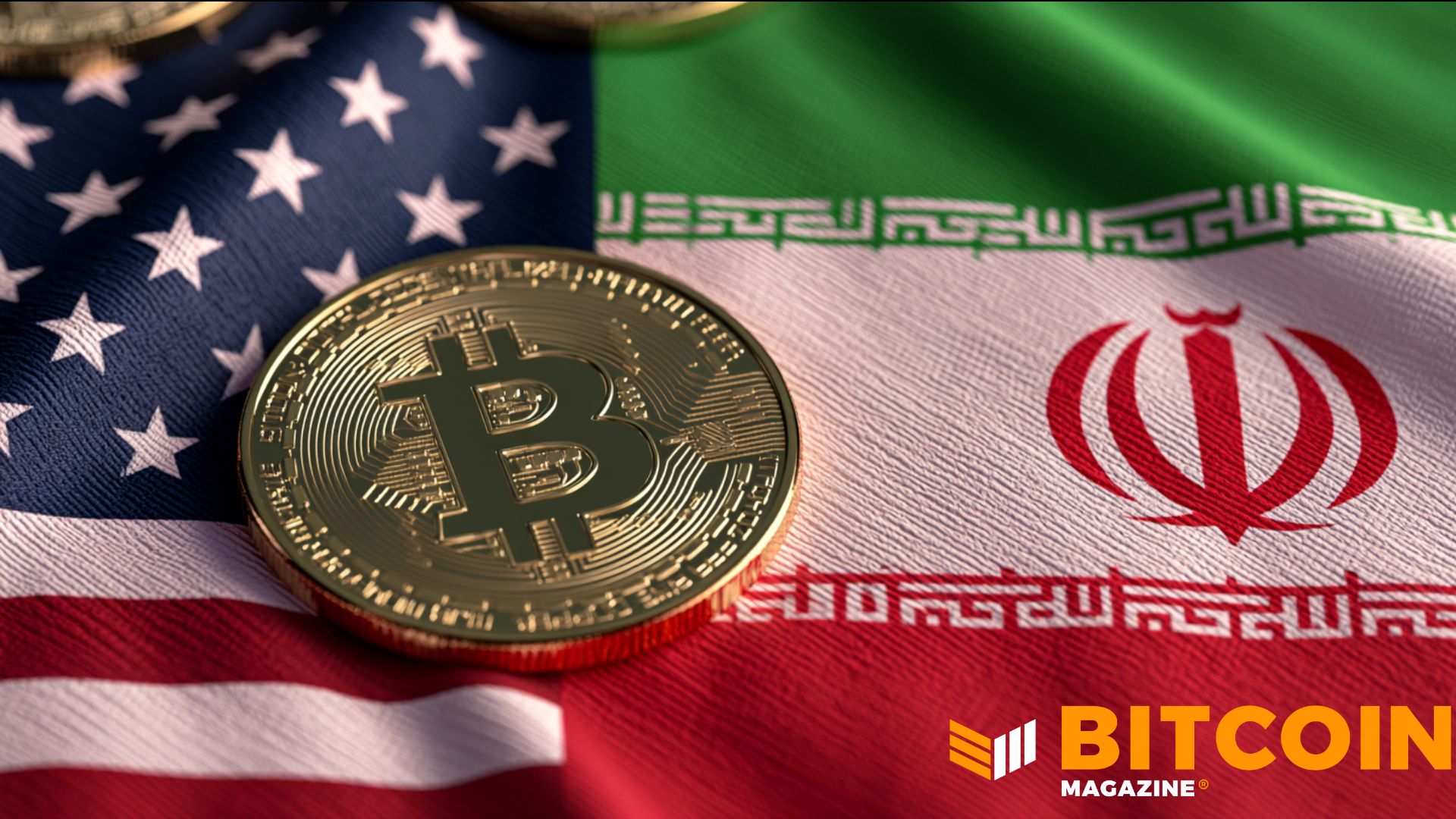
Bitcoin Magazine
US Opens a New Front Against Iran’s Crypto Economy
The U.S. this week closed in on Iran, further targeting its crypto-related methods of dodging sanctions in a new economic campaign against the country.
In a Monday announcement, the U.S. Department of the Treasury said it had placed Iran’s digital asset sector under the same sanctions authority it has long used against the country’s oil, banking and metals industries.
.@SecScottBessent: "This is a sustained campaign to collapse every last option for Iran. Let there be no ambiguity as to the position of the United States: an economic engagement of any kind with this murderous regime will expose those responsible to the full reach of American… pic.twitter.com/tlx2gcNs1d
— Treasury Department (@USTreasury) August 24, 2026The move, as part of Operation Economic Outcast, a campaign against the Islamic Republic dubbed “economic D-Day,” is a first, and a significant escalation in exposure for crypto businesses worldwide.
With the new action, the Office of Foreign Assets Control can sanction any person, regardless of where they are located.
“The Iranian regime increasingly turns to cryptocurrency as a tool of choice for sanctions evasion, supporting transactions linked to the Islamic Revolutionary Guard Corps and Iranian regime insiders,” OFAC said in a statement.
Foreign exchanges, OTC desks, payment processors and infrastructure providers that knowingly facilitate transactions supporting Iran’s digital asset sector are now exposed to designation themselves, along with the loss of access to the U.S. financial system that typically follows.
OFAC also designated members of a group within the Ministry of Intelligence and Security accused of hacking U.S. critical infrastructure on the regime’s behalf and published their wallets.
Group co-leader Behzad Mesri and members Keyvan Fayyaz Ghareh Blagh and Arman Kahzadian each had bitcoin, and other crypto addresses added to the Treasury’s sanctioned list. The three belong to a larger MOIS contingent that has pursued U.S. targets through data theft and intrusions against corporations and government offices.
Bloomberg first reported in May that Iran had started a bitcoin-backed insurance service for Iranian shipping companies.
The U.S. in July said that it had frozen crypto linked to the Iranian regime, mostly in the form of the Tether stablecoin.
Stablecoins like Tether’s USDT can be frozen by the company that issues the asset but bitcoin, being decentralized and having no single issuer, cannot.
This post US Opens a New Front Against Iran’s Crypto Economy first appeared on Bitcoin Magazine and is written by Mathew Di Salvo.
Why this matters
Bitcoin is showing up inside the Stablecoins theme, so this story is worth tracking for follow-through rather than treating it as a one-off headline.
Original source
Read on Bitcoin MagazineRelated market context
‘We Know Where It Is’: Treasury Secretary Threatens To Freeze $1B of Iran’s Crypto
Bitcoin Magazine ‘We Know Where It Is’: Treasury Secretary Threatens To Freeze $1B of Iran’s Crypto U.S. Treasury Secretary Scott...
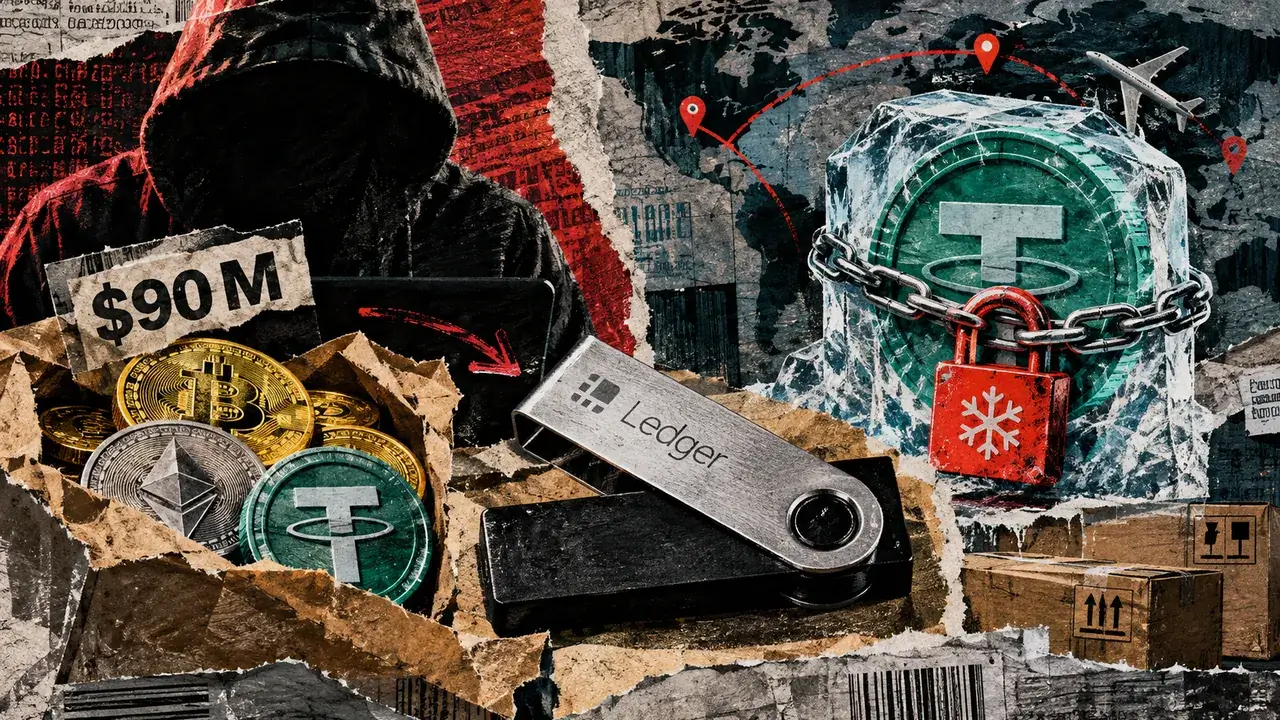
Ledger hack scare nears $90 million as Tether moves to freeze stolen USDT
Suspected Ledger wallet thefts are approaching $90 million as Tether freezes USDT stablecoin linked to the incident, according to...
Tether Freezes $1.45M in THORChain USDT Vaults, Then Reverses Blacklist Hours Later
Key Takeaways: The amount of about $1.45 million in USDT was temporarily frozen in THORChain vault addresses. According to THORCha...

Ledger theft-linked funds shift from USDT to USDD to dodge Tether freezes
The shift from USDT to USDD underscores vulnerabilities in stablecoin freeze mechanisms, prompting scrutiny on regulatory and secu...

Tether froze 1.45 million USDT in THORChain vaults, then reversed course three hours later
The incident highlights the vulnerability of DeFi protocols to centralized issuer actions, emphasizing the need for diversified as...

Tether freezes USDT linked to Ledger user thefts near $90 million
The freeze highlights the need for robust supply chain security and raises concerns about the limitations of centralized control i...