US sanctions Russia's largest darknet market and crypto exchange Garantex
The sanctions were part of an international effort aimed at “[disrupting the] proliferation of malicious cybercrime services, dangerous drugs and other illegal offerings.”
Archive context
Older archive item. Useful for background and entity history, but not a fresh market-moving signal.

The sanctions were part of an international effort aimed at “[disrupting the] proliferation of malicious cybercrime services, dangerous drugs and other illegal offerings.”
Why this matters
This security story adds another data point to the current market tape and is useful when read alongside nearby source coverage.
Original source
Read on CointelegraphRelated market context

Rapid7 uncovers Operation ASTERIX: AI-powered phishing tools targeting crypto wallet recovery phrases
Operation ASTERIX highlights the urgent need for enhanced security measures in crypto exchanges to prevent AI-driven phishing atta...

Treasury’s New Stablecoin Rule Could Force US Exchanges to Delist Tether
Austin Campbell, founder of Zero Knowledge Group, said on the Bits + Bips podcast that Treasury’s newly proposed rules for the GEN...

Visa Seeks New Stablecoin Settlement Partner After Mastercard Buys Payments Firm BVNK
Visa is taking bids for a new stablecoin settlement partner after Mastercard bought the firm that had been filling the role, accor...
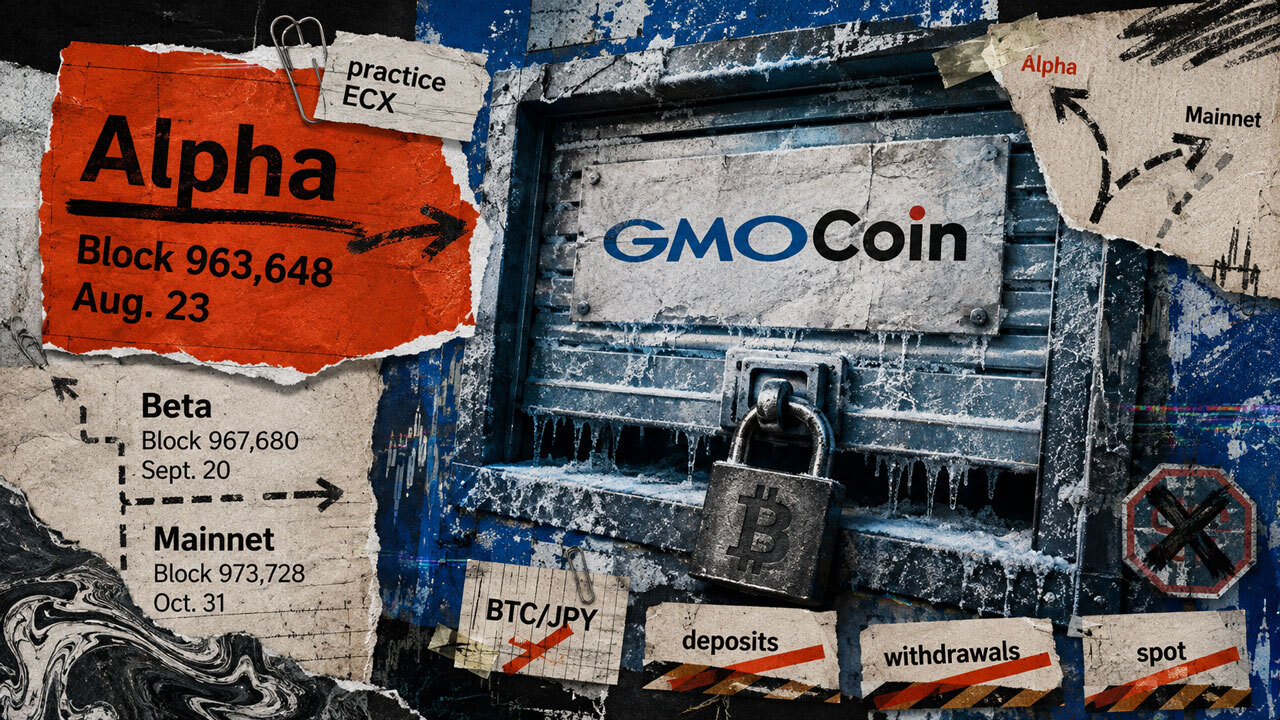
Bitcoin holders face potential exchange freezes as new chain rollout tests replay safety and market stability
Crypto exchange GMO Coin may suspend several Bitcoin services when eCash takes its first balance snapshot at block 963,648, expect...

White House highlights approval of Bitcoin perpetual futures and efforts to bring Hyperliquid to the US
The integration of crypto derivatives into U.S. markets could enhance regulatory clarity, potentially boosting investor confidence...

Nethermind joins Chainlink Network as node operator and development partner
Nethermind's partnership with Chainlink enhances cross-chain security and reliability, potentially accelerating institutional adop...