Why the Iran war hasn’t blown up oil markets, and what it means for crypto
The crisis highlighted crypto's role in sanctions evasion and underscored the limits of emergency oil measures, impacting future market stability. The post Why the Iran war hasn’t blown up oil markets, and what it means...
Archive context
Older archive item. Useful for background and entity history, but not a fresh market-moving signal.

The crisis highlighted crypto's role in sanctions evasion and underscored the limits of emergency oil measures, impacting future market stability.
The post Why the Iran war hasn’t blown up oil markets, and what it means for crypto appeared first on Crypto Briefing.
Why this matters
This security story adds another data point to the current market tape and is useful when read alongside nearby source coverage.
Original source
Read on Crypto BriefingRelated market context

Tether Iran Dispute: Ardoino Pushes Back Against Senate
Tether CEO Paolo Ardoino said the company froze Iran crypto addresses an average of four weeks before official designations by the...

JPMorgan Asset Management Sets a 10% Base Case for Bitcoin, Still Sees No Clear Portfolio Role
JPMorgan Asset Management has attached a return range to bitcoin for the first time, projecting a base case of 10% a year for BTC...
Kamino validates Chainlink CCIP for cross-chain collateral, opening the door to higher borrowing limits
Kamino's validation of Chainlink CCIP enhances cross-chain collateral efficiency, potentially attracting more institutional capita...
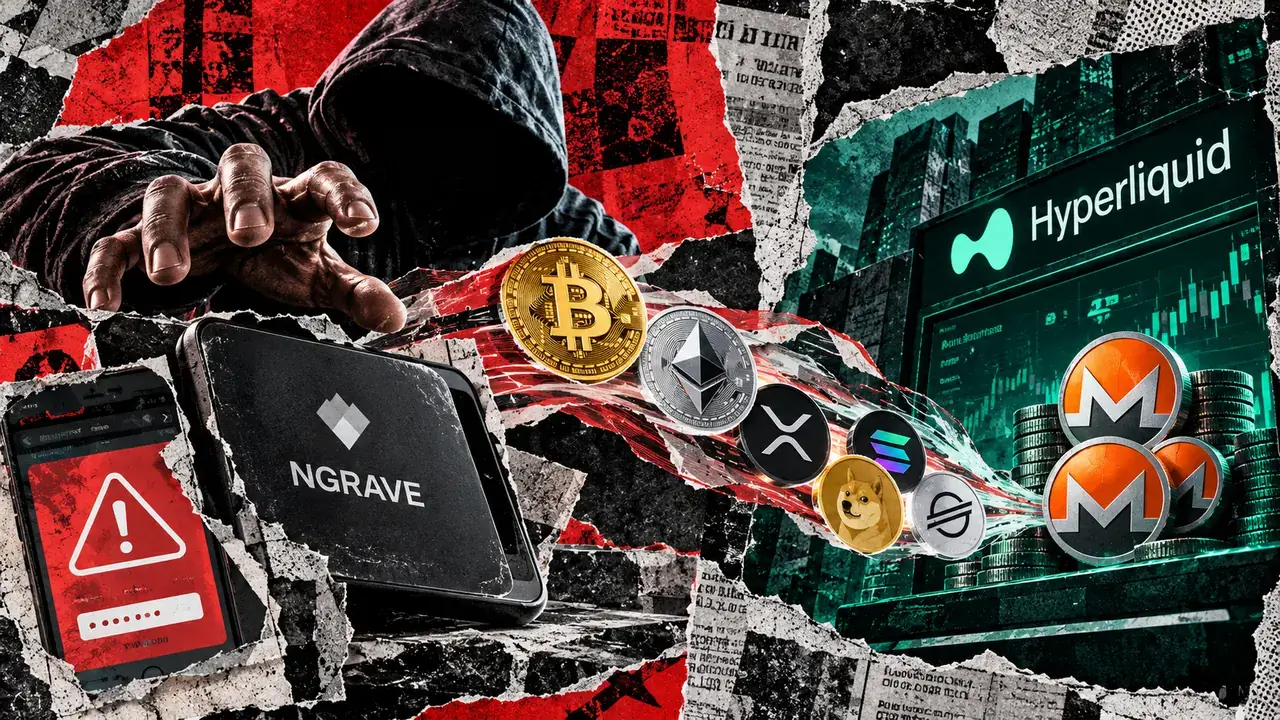
Crypto wallet security crisis deepens as NGRAVE users face $2.65 million phishing attack
Bitquery follows funds into XMR1 purchases on Hyperliquid, but cannot confirm every wallet belonged to an NGRAVE user. Read the fu...
Polymarket US vs. Kalshi: What a 100-Contract Trade Costs
A hypothetical buy at 40 cents and sale at 60 cents produces nearly identical taker profits. Resting orders and funding methods ca...

What Is a Bitcoin-Backed Loan? Borrowing Against BTC Explained
Bitcoin-backed loans let holders borrow cash or stablecoins without selling BTC. Here's how collateral, LTV and liquidations work.