XRPL Prepares Firewall Defense Against Rising Scam Threats
A loose but growing push is under way in the XRP community to build what some people call an “XRP firewall” — a set of tools and checks meant to block scams on the XRPL. Vet, one of the dUNL validators on the XRP Ledger,...
Archive context
Older archive item. Useful for background and entity history, but not a fresh market-moving signal.

A loose but growing push is under way in the XRP community to build what some people call an “XRP firewall” — a set of tools and checks meant to block scams on the XRPL.
Vet, one of the dUNL validators on the XRP Ledger, has hinted at a big update that could change the fight against scams on XRPL.
The feature, known as the XLS-86 Firewall, is still in development but is being described as a possible endgame for fraudsters.
In a recent post, Vet said the amendment would act as a safeguard to stop losses of XRP, tokens, and NFTs when activated.
If approved and rolled out, it could give users a much stronger line of defense against common traps that have cost the community millions over the years.
Just recently a high-profile patch was published after developers found malicious packages related to the xrpl.js library on NPM, and that incident has sharpened urgency around better protections.
Tools And Reporting SystemsSeveral public resources already try to do the job of a firewall in pieces. According to XRPL.org, users can file scam reports and get guidance on suspicious activity.
It’s over for many scammers.
XLS-86 Firewall is an amendment for the XRP Ledger that is in development.
It will finally eliminate you losing your XRP, Tokens and NFTs entirely if you use this functionality.
Given the victims we have had in the past, i can’t wait for it!
— Vet (@Vet_X0) September 10, 2025
Reports have disclosed that forensics platforms such as XRplorer keep databases of addresses linked to fraud and illicit transfers; those lists are used by wallets and exchanges to warn or block interactions.
The pieces exist, but they are spread across sites and teams, not bundled as one single shield for everyday users.
A Critical Software WarningAccording to market watchers, the most recent shock came when developers discovered compromised or malicious versions of xrpl.js pushed to NPM, the package registry many apps use.
The issue was patched on April 23, 2025 after maintainers removed the bad releases and urged users to update.
How A Firewall Could WorkA practical firewall would combine several simple features. It could auto-flag addresses with histories of fraud. Wallets might show a clear warning before a user approves a payment to a flagged account.
Exchanges and node operators could share lists to reduce the chance that a scammer moves funds freely.
Machine learning could be used to spot repeat patterns of phishing messages or cloned domains, while human teams would still verify hard cases.
Featured image from Meta, chart from TradingView
Why this matters
This security story adds another data point to the current market tape and is useful when read alongside nearby source coverage.
Original source
Read on NewsBTCRelated market context

Circle Agent Marketplace Brings USDC Payments and Live Data Tools to Arc Blockchain
Key Takeaways: Circle Agent Marketplace now makes services available for AI agents on Arc. Agents have access to live web search,...

IBM Connects Banks To Swift’s Blockchain Ledger For Tokenized Deposits
IBM Digital Asset Haven can now connect financial institutions to Swift’s blockchain-based shared ledger through a beta integratio...

US Charges Man After Crypto Scam Wallets Received More Than $53M
TL;DR U.S. prosecutors have charged a Vietnamese national with money laundering tied to alleged cryptocurrency “pig butchering” sc...

Ledger Opens 24/7 Tokenized Stocks to Millions With xStocks Integration
Key Takeaways: Ledger and a new partnership with Payward have brought xStocks to the Ledger wallet ecosystem. Eligible Ledger hold...

Blockchain Association CEO Summer Mersinger To Step Down In October
TL;DR Blockchain Association CEO Summer Mersinger will step down on October 16 and remain as an adviser through the end of 2026. F...
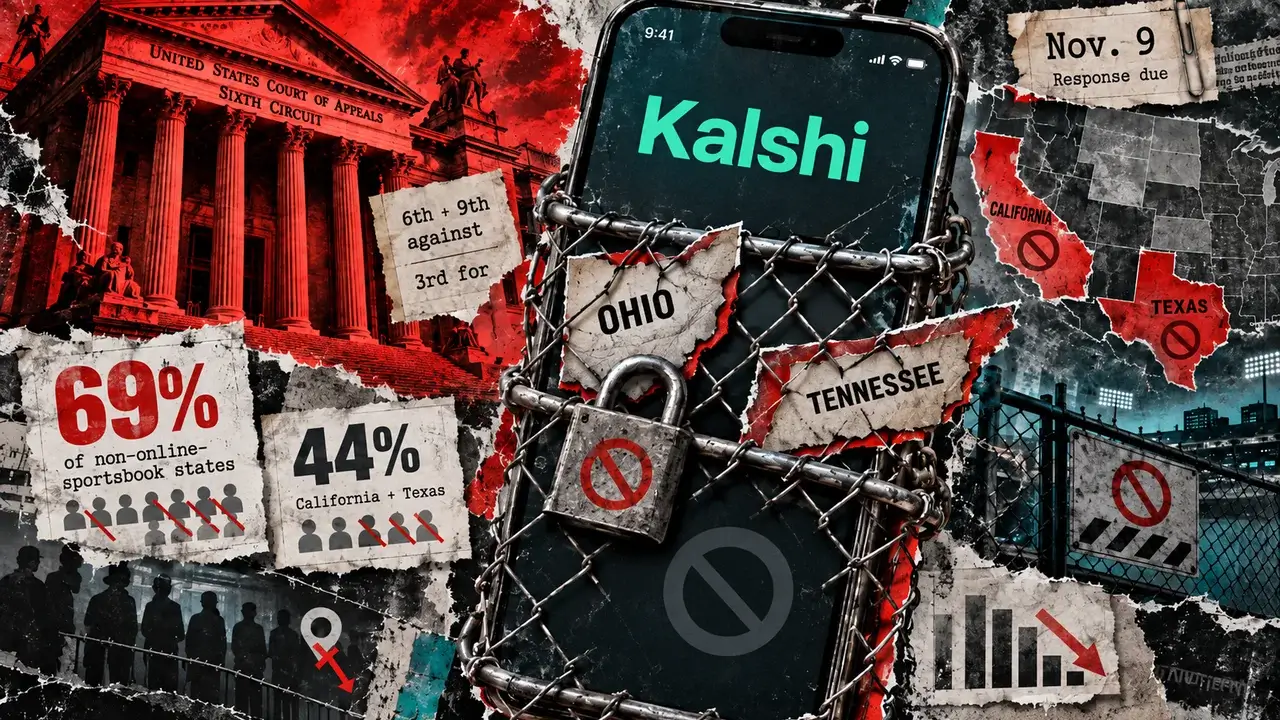
Kalshi must lock out state users after major court loss
The Sixth Circuit ruled Sept. 25 that Ohio and Tennessee can apply their gambling laws to Kalshi's sports contracts. The court rej...