Crypto Holders Beware! New Malware Drains ETH, SOL, XRP Wallets
Malware operations targeting holders of Ethereum, XRP, and Solana cryptocurrencies have been exposed by cybersecurity researchers. The threat attacks Atomic and Exodus wallet owners by using compromised software packages...
Archive context
Older archive item. Useful for background and entity history, but not a fresh market-moving signal.

Malware operations targeting holders of Ethereum, XRP, and Solana cryptocurrencies have been exposed by cybersecurity researchers. The threat attacks Atomic and Exodus wallet owners by using compromised software packages installed by developers unaware of the malware contained in the code.
The malware, upon execution, is able to send cryptocurrency to thief-held addresses with no indication on the wallet owner.
How The Attack WorksResearchers say the attack starts when developers unwittingly include hacked node package manager (NPM) packages in their projects. One such package named “pdf-to-office” appears genuine on the surface but conceals malicious code within.
The package searches computers for installed crypto wallets and then injects code that intercepts transactions. This enables criminals to steal money without the user’s awareness or permission.
Multiple Cryptocurrencies At RiskSecurity researchers have concluded that the malware can divert transactions on multiple of the world’s leading cryptocurrencies. They include Ethereum, USDT, XRP and Solana. The attack is what researchers identify as “an escalation in the ongoing targeting of cryptocurrency users through software supply chain attacks.”
Technical Details Reveal Sophisticated MethodsReversingLabs discovered the campaign by scanning for suspicious NPM packages. Their analysis revealed several warning signs such as suspicious URL associations and code structures matching well-known threats.
The attack employs sophisticated techniques for evasion from security tools and is multi-stage in nature. The infection begins when the malware package executes its code aimed at wallet software on the target’s machine. It specifically looks for application files in some of the predetermined paths before injecting its malicious code.
No Visual User Warning SignsAccording to reports, this malware’s effect can be catastrophic since transactions appear absolutely normal on the wallet interface. The code substitutes valid recipient addresses with attacker-controlled addresses through base64 encoding.
For instance, when a user attempts to send ETH, the malware substitutes the recipient address with the attacker’s address, which is concealed in encoded form. Users have no visual clue that anything is wrong until they check the blockchain record afterward and discover their money went to an unexpected address.
The security threat indicates increased harm to cryptocurrency owners who might not be aware their transactions are compromised until funds go missing. The modus operandi of the attack is evidence of how hackers keep coming up with new methods of pilfering digital assets.
Cryptocurrency users should be extremely cautious when verifying all transaction addresses. Developers are also advised to double-check the security of any packages they install on cryptocurrency-related projects.
Featured image from Enterprise Networking Planet, chart from TradingView
Why this matters
This altcoin story adds another data point to the current market tape and is useful when read alongside nearby source coverage.
Original source
Read on NewsBTCRelated market context

Sparrow Wallet releases security update after AI-assisted code review
The update enhances user privacy and security, reinforcing trust in self-custody and setting a precedent for AI-assisted code revi...

Ripple moves to shrink XRP Ledger attack surface as AI audit tests lending push
Ripple is moving to shrink the XRP Ledger’s (XRPL) attack surface as it prepares to expand native lending. The company has recomme...

Virtuals Protocol addresses evolving prompt injection threats to agent wallets
Enhanced security measures in programmable agent wallets mitigate financial risks, ensuring AI agents operate safely as economic a...
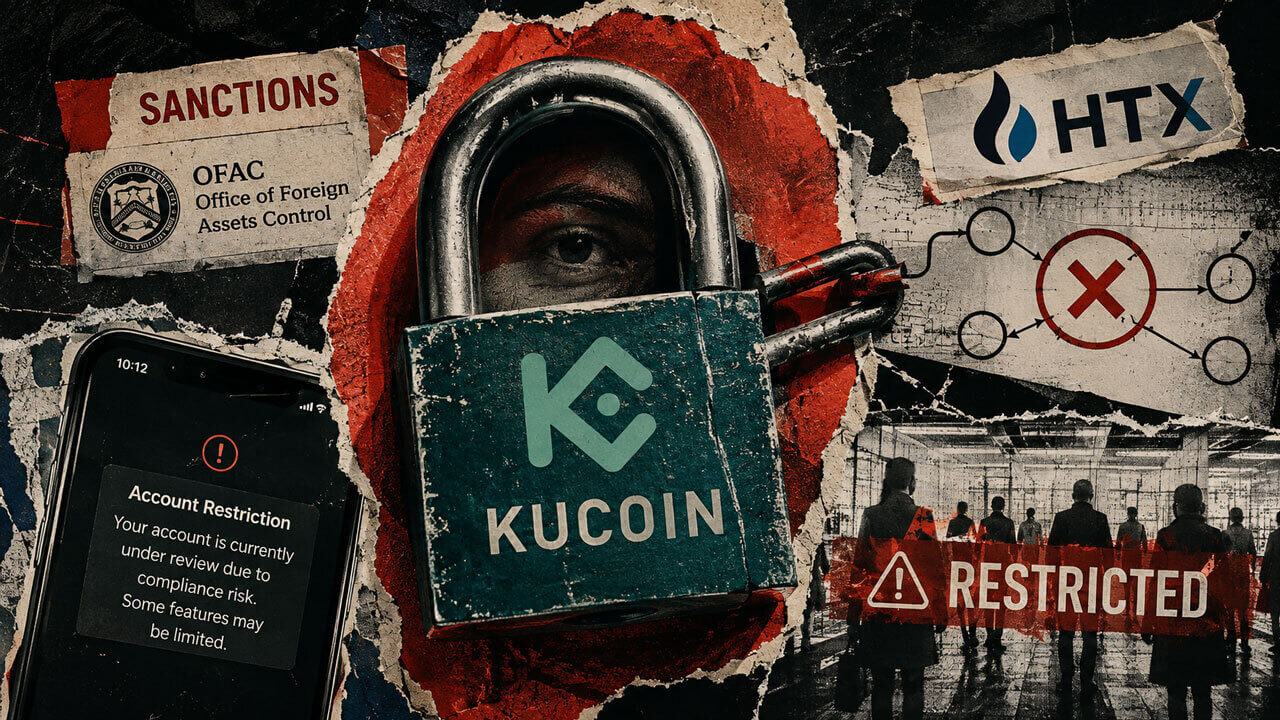
KuCoin can block your crypto transactions even if you never sent it to these 17 sanctioned platforms
KuCoin has expanded sanctions screening to indirect crypto transfers across 17 crypto platforms, including Justin Sun-linked HTX....

Blockstream Researchers Propose SHRINCS, a Post-Quantum Bitcoin Signature Built to Preserve Block Space
Blockstream researchers published a draft specification on Thursday for SHRINCS, a post-quantum signature scheme built specificall...
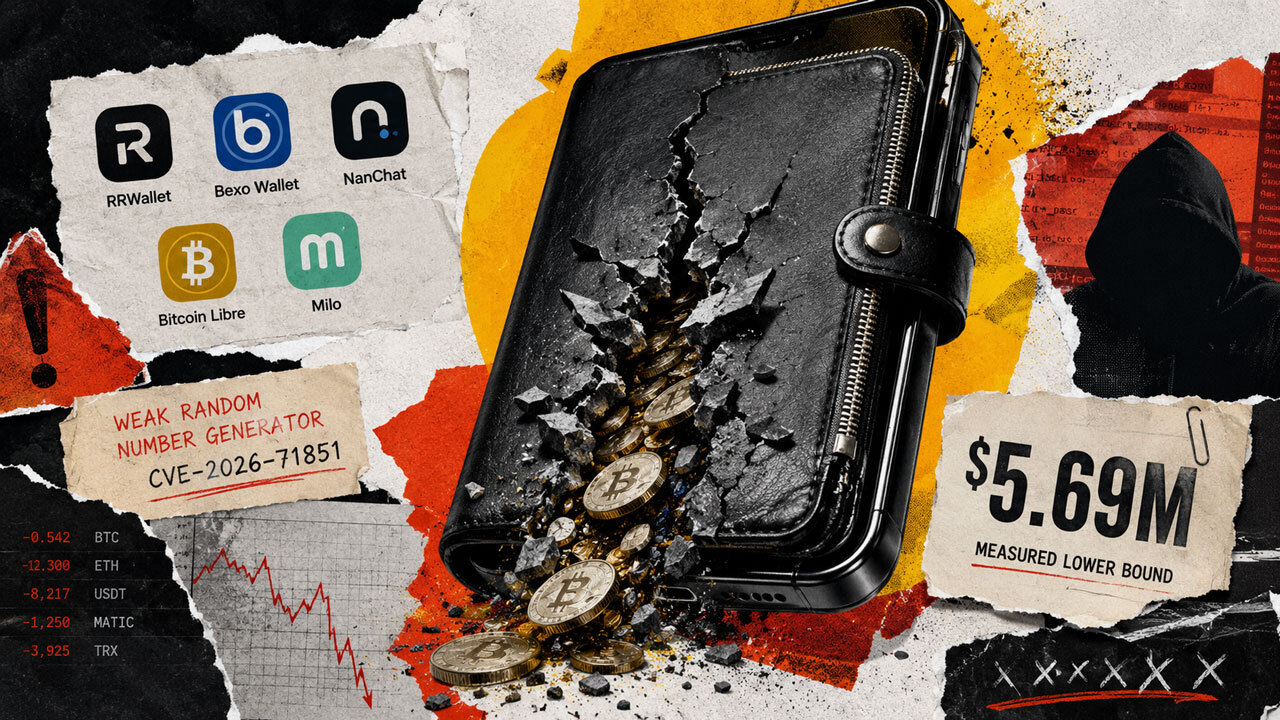
Crypto users lost at least $5.69 million because their wallet seeds were too predictable
A flaw in software used by at least five crypto wallets made some recovery phrases predictable enough for attackers to reconstruct...