Solana Co-Founder: The Blockchain Doesn’t Need Layer-2s Like Ethereum
Solana co-founder Anatoly Yakovenko has expressed confidence that their blockchain can handle the growing demand for decentralized applications (dapps) without needing layer-2 solutions like those employed by Ethereum. S...
Archive context
Older archive item. Useful for background and entity history, but not a fresh market-moving signal.

Solana co-founder Anatoly Yakovenko has expressed confidence that their blockchain can handle the growing demand for decentralized applications (dapps) without needing layer-2 solutions like those employed by Ethereum.
Solana Doesn’t Need Layer-2 SolutionsIn a post on X, Yakovenko argued that Solana’s design, which utilizes a hybrid consensus mechanism, enables it to scale efficiently without relying on additional layers. The co-founder explained that their goal is to eventually synchronize a global atomic state machine “as fast as the laws of physics allow.” With this stance, Yakovenko appears to be downplaying the role of layer-2 off-chain options like Arbitrum and Base.
“Solana aims to synchronize a global atomic state machine as fast as the laws of physics allow,” Yakovenko said on X. “In this end state, any layer-2, side chain, or zero-knowledge proof Valadium amounts to the same thing. They are external execution environments that cannot ensure atomic composition with the rest of the layer-1 state.”
Despite the position Yakovenko takes, the co-founder said the floor is open for developers to create layer-2 solutions. However, it won’t be necessary because the network can handle such demand without such workarounds.
Ethereum Is Confident Layer-2s Will Be Key To ScalingThis stance contrasts Ethereum’s approach, which increasingly relies on layer-2 solutions to alleviate congestion and high transaction fees. Layer-2 options such as Optimism and Arbitrum have gained popularity for their ability to offload transactions from the mainnet while maintaining compatibility with existing smart contracts.
To quantify their role in scaling Ethereum, L2Beat data shows that the layer-2 solutions have a combined total value locked (TVL) of over $20 billion. The largest of them is Arbitrum, which manages $10 billion of assets when writing on January 5.
Though Yakovenko’s comments reflect Solana’s focus on providing a high-performance, low-cost environment for apps, there have been instances when the network froze, calling its reliability into question. To resolve this, the platform plans to upgrade its client, adding the Firedancer for increased node reliability and performance.
On the other hand, Ethereum seems to be going the layer-2 route. During their developer call, it was decided that Ethereum’s gas limit won’t be increased further from the 30 million gwei level. This, analysts concluded, meant the delay of on-chain scaling ambitions for off-chain methods, specifically off-chain and sidechain rails.
Why this matters
This altcoin story adds another data point to the current market tape and is useful when read alongside nearby source coverage.
Original source
Read on NewsBTCRelated market context
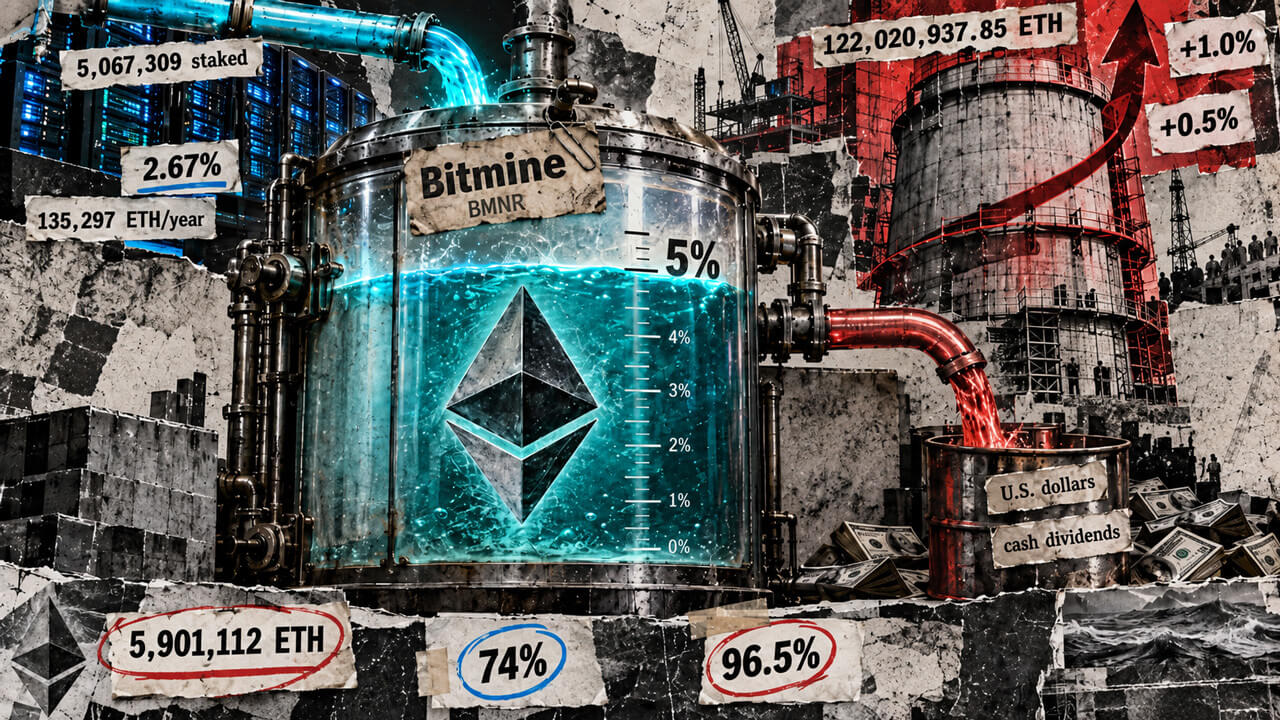
How Bitmine could surpass its 5% Ethereum goal without buying more ETH
Bitmine is still buying Ethereum, even as staking may make further purchases unnecessary to reach its 5% ownership target. The Nas...

Offchain Labs and Solana co-founders spar over whether Robinhood Chain’s fee model is feature or bug
The debate highlights differing blockchain economic models, impacting user costs and potentially influencing future blockchain inf...

Solana Lands $5B Luxury Tokenization Deal for Birkin Bags, Rolex and Chanel Pieces
Key Takeaways: Beezie and The Luxury Closet will bring authenticated luxury goods onchain through Solana. The launch will feature...
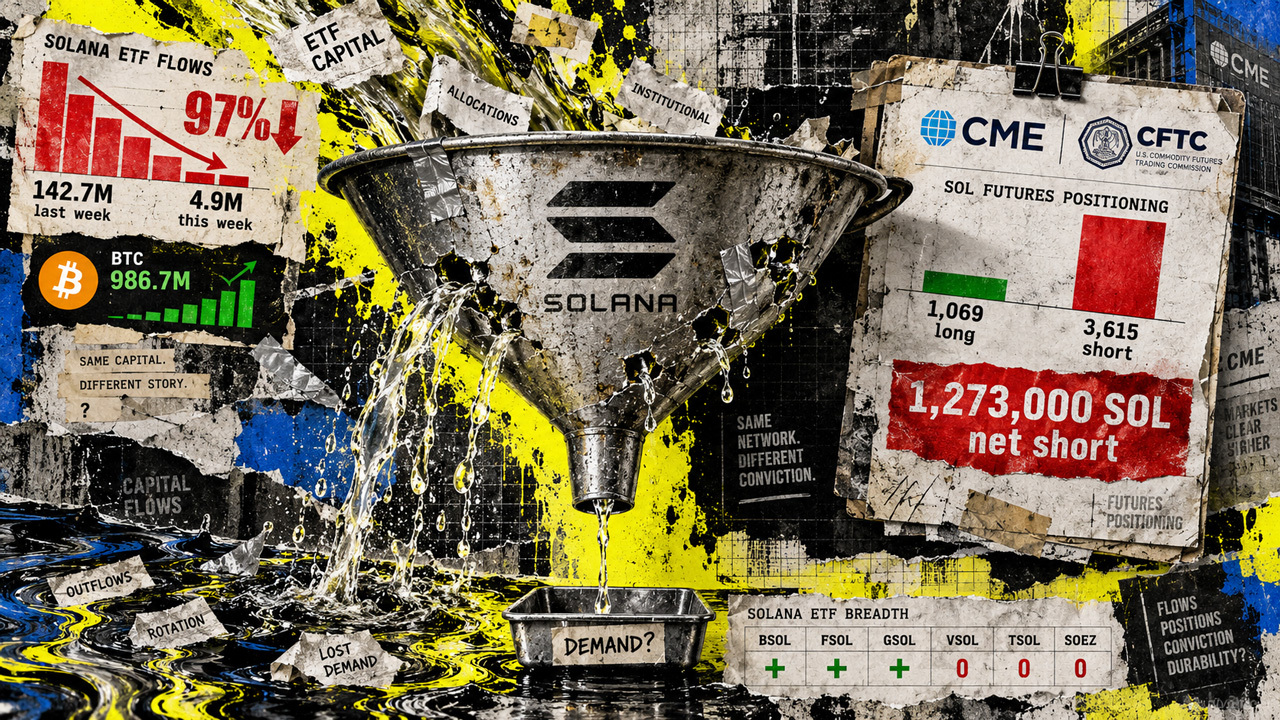
Solana’s weekly ETF inflows fell 97% while CME funds became less net short
Solana’s US ETF inflows fell about 97% in the week ending Sept. 4, leaving the funds with a small positive balance as Bitcoin’s al...

ETH Price Prediction 2027, 2030, 2040: Could it Reach $4,965? Analysing the Potential of Ethereum, Bitcoin, and Apeing’s Upcoming Crypto Presale
On the other hand, Apeing is gaining attention as its planned September 8, 2026 presale approaches. Both these projects sit at ver...
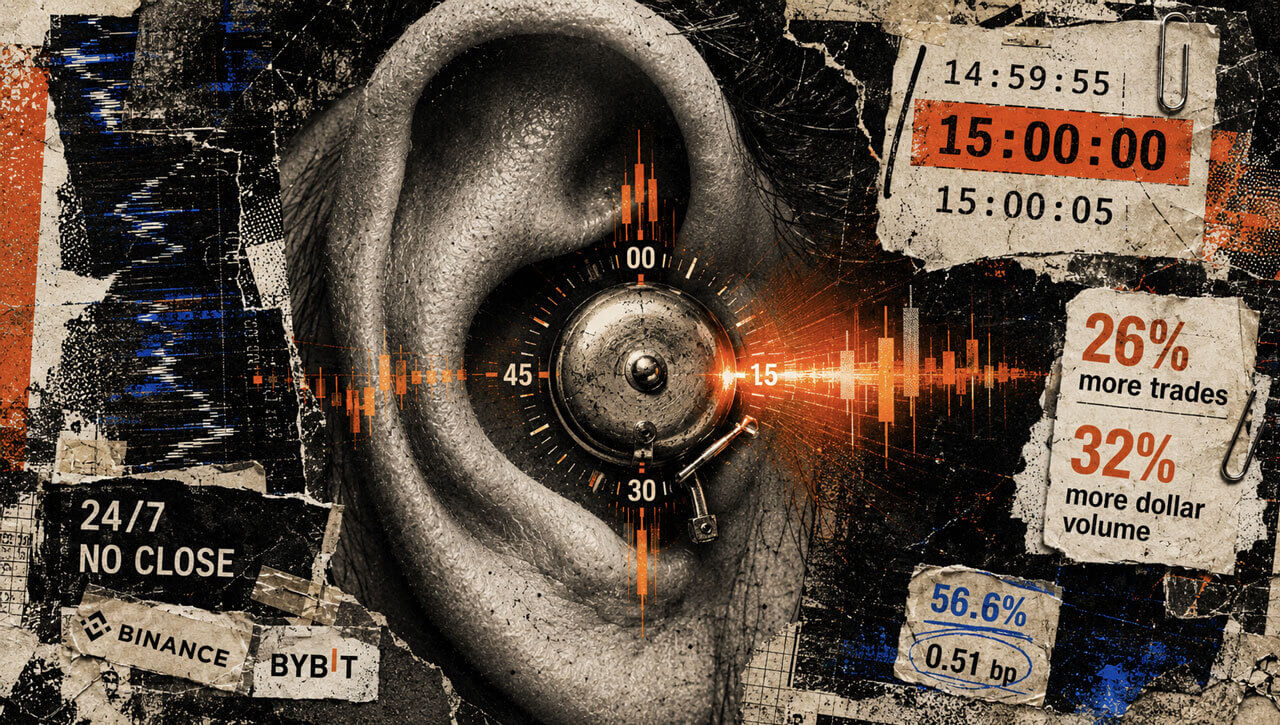
Inside the 15-minute trading pulse that moves $14 billion in Bitcoin perpetual futures
At 14:59:59 UTC, Bitcoin perpetual futures look like any other electronic market, with prices flickering and orders flowing from t...