Solana Staking ETF Builds the Rails for Institutional Crypto Yield
The crypto world is entering a new era. The debut of the US Solana Staking ETF (ticker: SSK) marks a turning point, combining regulated asset exposure with staking income. The product’s website explains, “SSK is the firs...
Archive context
Older archive item. Useful for background and entity history, but not a fresh market-moving signal.

The crypto world is entering a new era. The debut of the US Solana Staking ETF (ticker: SSK) marks a turning point, combining regulated asset exposure with staking income.
The product’s website explains, “SSK is the first U.S.-listed ETF that gives you exposure to Solana (SOL) plus the blockchain-native rewards of staking. Built by REX-Osprey, SSK unlocks staking rewards through the ease and transparency of the ETF structure”
In Proof-of-Stake (PoS) blockchains like Solana or Ethereum, staking means locking up your cryptocurrency to help run and secure the network. Instead of using energy-heavy mining like Bitcoin, PoS relies on validators who stake coins to confirm transactions. The SSK fund invests and stakes, passing on these rewards to ETF buyers.
The Solana staking ETF opened with ~US$12 million in day-one inflows and nearly $33 million in trading volume across U.S. exchanges. The ETF may be a part of a deeper transformation, where altcoin ETFs become the rails enabling mainstream, yield-focused crypto adoption.
Beyond Price Bets: The Rise of Yield-Driven Crypto ProductsREX Digital and Osprey Funds offer Solana (SOL) exposure plus an estimated 7.3% staking yield via SSK. It delivers on-chain income in an off-chain wrapper. This move signals a broader shift across crypto, reimagining tokens not just as instruments of volatility but as sources of predictable, regulated return. SSK is also a shift towards mainstream crypto investing, not just being about price appreciation anymore—it’s shifting to cover yield.
Are Altcoin ETFs the New Infrastructure for Institutional Entry?Following the success of Bitcoin and Ethereum spot ETFs, altcoin versions are finally stepping into the limelight. Proponents argue that regulated vehicles like SSK provide the consistency and security institutions require, bringing native DeFi yield into traditional portfolios. Critics counter that relying on ETFs could compromise decentralization, tethering tokens to traditional financial intermediaries. That debate reflects the challenge of balancing crypto’s decentralized ideals with practical market realities.
Why Anchorage Digital and a 1940 Act Structure MatterAnchorage Digital serves as the on-chain staking and custody provider, offering institutions an alternative to managing keys and network risk. This removes technological friction and enhances compliance. It is currently the only federally regulated bank authorized to both custody and stake digital assets
SSK’s registration under the Investment Company Act of 1940 is reportedly a more straightforward to receive product approval than the SEC’s more standard 19b-4 ETF approval pathway. This structure presents a viable template for future yield ETFs targeting other PoS chains like Cardano or Ethereum, without re-running the Bitcoin spot ETF playbook.
Why Institutions Prefer ETFs Over Direct Coin OwnershipFrom the perspective of asset managers, ETFs solve a range of problems. They offer regulatory clarity, simplify custody requirements, and enable easier portfolio integration.
Bitcoin ETFs trade on regulated exchanges like the Nasdaq, so institutions can buy and sell it just like a stock or bond. They don’t have to worry about the risks tied to self-custody or managing an exchange account. Additionally, ETFs are approved and overseen by regulators like the SEC. This gives institutions confidence that they’re investing in a product that meets strict disclosure, custody, and compliance requirements.
What SSK Signals for the Future of Crypto FinanceSSK’s success isn’t limited to Solana—it could pave the way for enterprise-grade crypto investment models. Last week, leading industry ETF analysts James Seyffert and Eric Balchunas saw a 95% chance of the SEC approving spot ETFs for Litecoin (LTC), Solana (SOL), and XRP (XRP) this year.
Beyond this, yield-based ETFs may become the preferred format for unlocking DeFi rewards among larger investors. As more Proof-of-Stake chains mature, we may witness a proliferation of similar products, anchoring crypto’s integration into traditional finance.
Why this matters
This altcoin story adds another data point to the current market tape and is useful when read alongside nearby source coverage.
Original source
Read on Brave New CoinRelated market context
SEC’s Crypto Custody Proposal Could Change How Funds Hold Digital Assets
TL;DR: The SEC has proposed a tailored crypto custody framework for advisers and regulated funds, but the changes are not yet fina...

Chainlink Targets $700B Custody Market With CustodySync and Anchorage DeFi Access
Key Takeaways: Chainlink introduced CustodySync, a new solution that connects loan markets in DeFi and qualified custody. The laun...

OpenAI ChatGPT AI Predicts a Monumental Event for BTC by 2027
Sam Altman’s ChatGPT AI predicts that Bitcoin’s most extreme bullish case may not come from another halving event, the approval of...
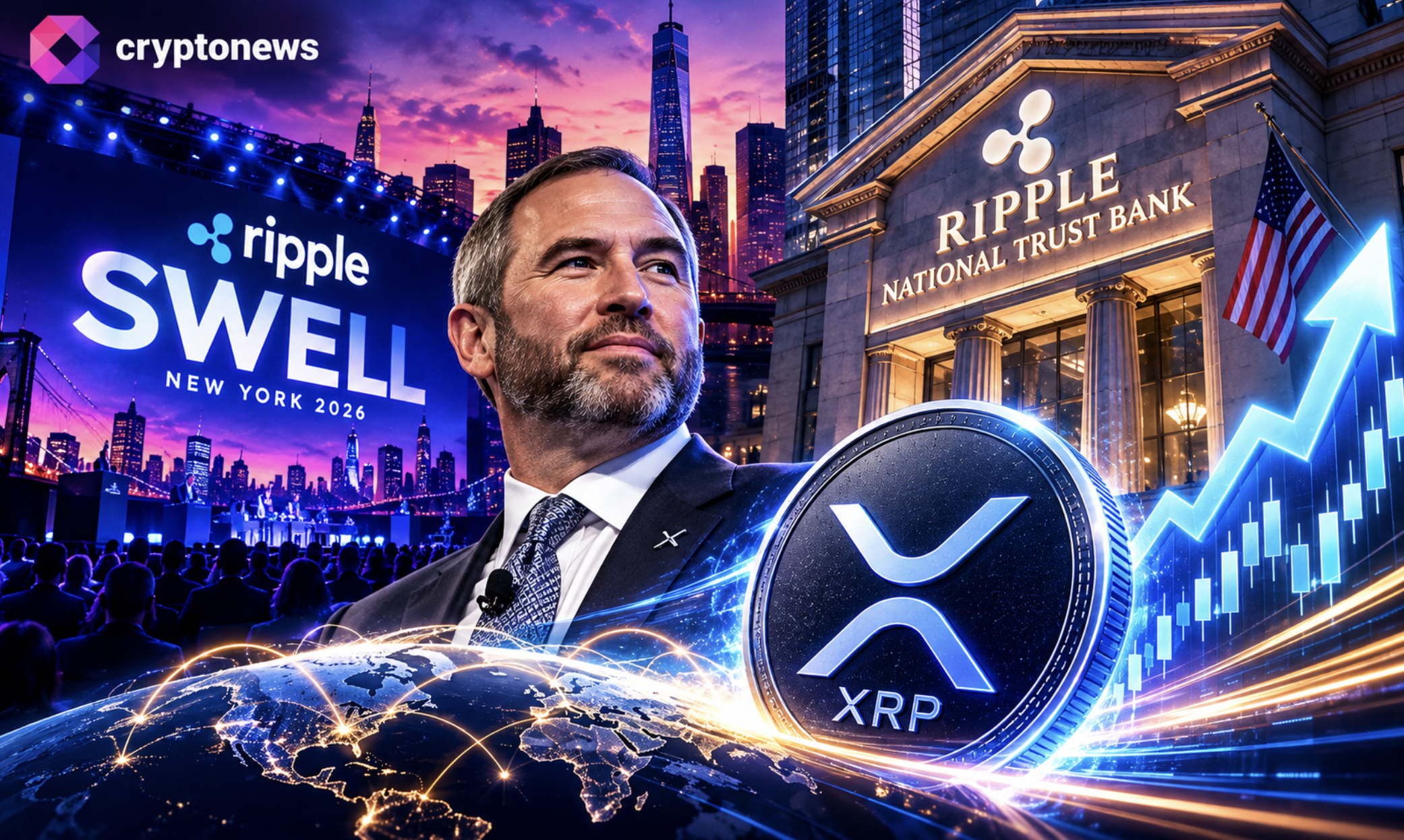
XRP Eyes $15 as Ripple Wins Final Bank Approval Ahead of Swell
Ripple has secured final U.S. approval for its national trust bank, giving XRP investors another reason to watch the coin as Swell...
Blink Wallet Adds Inactivity Fee to Custodial Accounts, Accelerating Migration to Self Custody
Bitcoin Magazine Blink Wallet Adds Inactivity Fee to Custodial Accounts, Accelerating Migration to Self Custody Blink Wallet annou...
Aviva Tokenises Part of £22 Billion Sterling Fund on XRP Ledger
TL;DR: Aviva Investors and Ripple announced a tokenised share class for the Aviva Investors Sterling Liquidity Fund on October 26....