Adam Back Denies Being Bitcoin Creator In Response To NYT: ‘I Am Not Satoshi’
Blockstream CEO, Adam Back, denied on Wednesday that he is Satoshi Nakamoto, the pseudonymous creator of Bitcoin (BTC), responding to a New York Times (NYT) investigation that pointed to him as the leading suspect. The N...
Archive context
Older archive item. Useful for background and entity history, but not a fresh market-moving signal.

Blockstream CEO, Adam Back, denied on Wednesday that he is Satoshi Nakamoto, the pseudonymous creator of Bitcoin (BTC), responding to a New York Times (NYT) investigation that pointed to him as the leading suspect.
The NYT report, by John Carreyrou, drew on a range of circumstantial evidence — including parallels in writing style, the use of British spellings, and overlapping cryptographic expertise — to argue that Back could be the person behind Bitcoin’s origin story.
Adam Back Rejects NYT CaseIn his post on social media platform X (previously Twitter), Back said plainly, “I’m not Satoshi,” and emphasized that his long-standing interest in cryptography and electronic cash predates Bitcoin by decades.
Back pushed back on the interpretation of evidence presented in the NYT story, suggesting that his frequent postings on ecash topics create a statistical bias.
He argued that because he was outspoken and prolific on relevant mailing lists, his comments appear often in historical archives; that visibility, he told Carreyrou, can create “confirmation bias” when researchers search for likely Satoshi candidates.
“Because I was talkative on the list, and known to have an active interest in ecash, there’s some confirmation bias in finding my comments frequently on ecash topics,” Back wrote, noting that other participants with similar expertise posted far less and so are less likely to surface in retrospective searches.
Satoshi’s Mystery Is Healthy For BitcoinBack also characterized much of the apparent overlap between his and Satoshi’s language as a coincidence or the product of a shared technical lexicon among cryptographers who had been wrestling with similar problems for years.
Throughout his response, Back also maintained that he does not know Satoshi’s identity and suggested that this uncertainty is beneficial for Bitcoin.
“I also don’t know who Satoshi is, and I think it is good for Bitcoin that this is the case, as it helps Bitcoin be viewed as new asset class, the mathematically scarce digital commodity,” he wrote, framing the mystery as part of Bitcoin’s appeal and institutional development.
Featured image from OpenArt, chart from TradingView.com
Why this matters
Bitcoin is a tracked market entity in the DigitalMoneyBox archive, making this useful context for readers monitoring repeated mentions and follow-up coverage.
Original source
Read on NewsBTCRelated market context
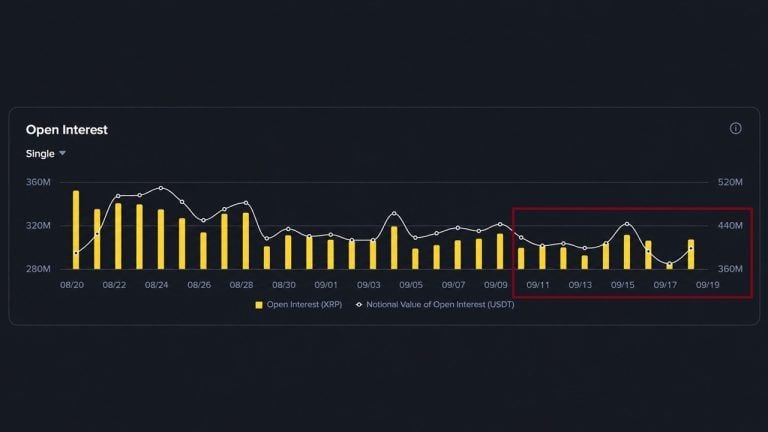
XRP Open Interest Is Back Above Pre-CLARITY Levels
Binance traders now hold more XRP in futures contracts than they did before the Senate sank the CLARITY Act on Sept. 15, even with...
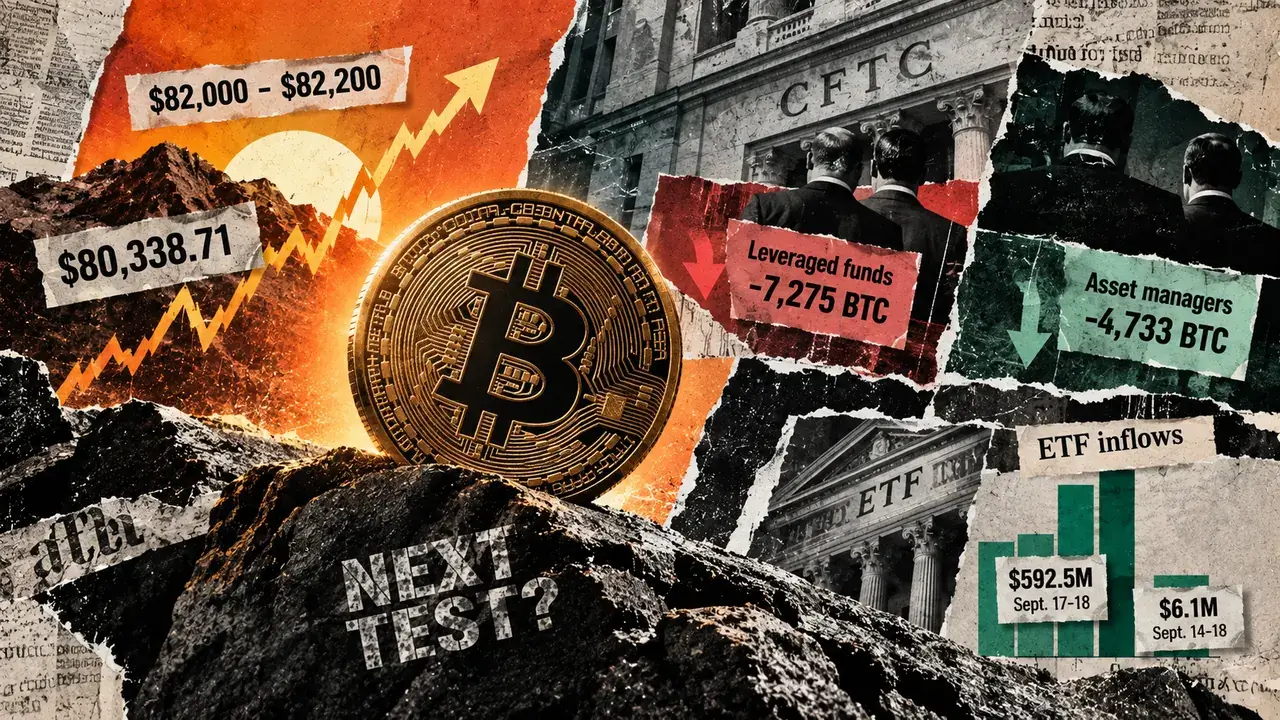
Why Bitcoin’s rally above $80,000 isn’t backed by institutional conviction
Bitcoin held above $80,000 this weekend while three institutional indicators pointed in different directions. The Sept. 15 snapsho...

Bitcoin Price Surges Over $81,000 Despite Clarity Act Fail and Interest Rate Hike
Bitcoin Magazine Bitcoin Price Surges Over $81,000 Despite Clarity Act Fail and Interest Rate Hike Bitcoin’s price on Friday shot...
Trump’s regulatory rollback risks $430M in US audit fees as SEC proposes gutting post-Enron rules
The proposed SEC changes could weaken investor protections, potentially increasing financial risks and undermining market confiden...

Circle CPTO Nikhil Chandhok explains why Arc won’t roll back USDC thefts
Circle's stance on immutability in Arc highlights the trade-off between security and trust, impacting user confidence in blockchai...
Avalanche Summit: Kevin Miao makes the case for tokenization to reshape consumer lending
Tokenization in consumer lending could democratize access to capital, reduce costs, and enhance transparency by minimizing interme...