Art Under Surveillance: Ripcache’s Radical Take at Bitcoin Amsterdam
Ripcache, a pseudonymous artist, explores themes of surveillance and privacy through a 1-bit pixelated aesthetic. By examining the impact of modern surveillance in centralized and decentralized systems, Ripcache’s work e...
Archive context
Older archive item. Useful for background and entity history, but not a fresh market-moving signal.
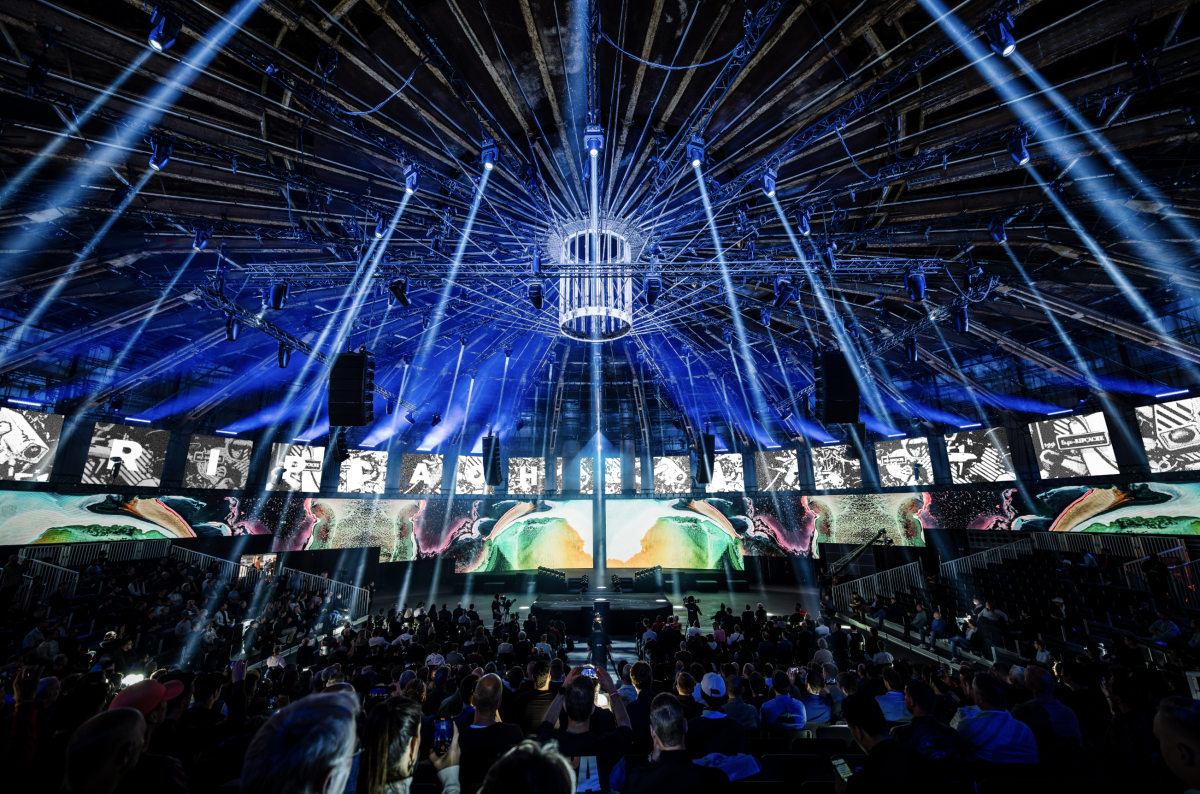
Ripcache, a pseudonymous artist, explores themes of surveillance and privacy through a 1-bit pixelated aesthetic. By examining the impact of modern surveillance in centralized and decentralized systems, Ripcache’s work examines trade-offs of the advancing digital age. Their recent series, "Hyperscalers," was featured on the main stage at Bitcoin Amsterdam, with a private sale facilitated by UTXO Management’s OTC desk to collector Brissi, marking a key milestone in their career and the greater ordinals ecosystem.
We sat down with Ripcache to discuss his art.
Ordinals on Bitcoin create new ways for audiences to engage with digital art. In a world increasingly dominated by surveillance, how does this impact your views on ownership, visibility, and control over art?
Ordinals challenge the status quo about ownership and control. In a way, they democratize access to certain forms of art. In the past, a lot of the art world has been about exclusivity. Artwork hidden away in private collections or in storage, accessible only to a select few. This exclusivity is like a centralized database with limited entry.
In contrast, inscribing art on bitcoin makes it universally accessible. Sure, you still might not own it, but at least anyone with an internet connection can look at it and verify the work without intermediaries. This accessibility and transparency challenges traditional power structures in art ownership and curation. With that said, in an era of pervasive surveillance, this openness also raises questions around privacy and the potential for art and provenance to be co-opted or misused. It’s a delicate balance between visibility and control and advocating for a future where art is both accessible and respectful of individual privacy (for the artist, collector and wider public).
Lattice, 2024, 1024x1024 pixels, bitcoin ordinal inscription, media fully-onchain.As technologies like blockchain and AI continue to shape the future of digital art, how do you see the relationship between art and surveillance evolving? Could AI offer an alternative narrative to the surveillance-heavy world we inhabit, or only deepen it?
AI and blockchain are actively reshaping our perceptions of surveillance and privacy. While AI does have immense creative potential, in that it can enable new forms of creation and interaction, it also poses risks. The biggest risk is amplifying surveillance capabilities by collecting and processing vast amounts of data, predicting behaviors, and potentially stifling spontaneity.
It's tough to say definitively, however. AI could deepen the surveillance state but it also has the potential to offer alternatives. Artists already use AI to explore themes of privacy and identity, reclaiming some control over the narrative. And maybe it’s a bit cliche, but I think crypto and bitcoin provide a counterbalance by enabling decentralized and increasingly more anon interactions. With ordinals, artists can share their work with collectors all over the world without centralized oversight, promoting a culture of openness while safeguarding individual freedoms. As this tech evolves, I think it’s crucial that we actively shape them to enhance rather than diminish our creative and personal liberties.
Incorporating motifs like CCTV and drones into your work raises questions about the tension between the peer-to-peer aspect of Bitcoin and the omnipresence of surveillance. Are you concerned that systems meant to decentralize power may still be co-opted by regulatory forces or contribute to an increasingly digital panopticon?
The risk of decentralized systems being co-opted is a real concern. My use of motifs like closed-circuit TV cameras and drones is an attempt to highlight this tension. These symbols represent the watchful eyes of surveillance, prompting viewers to consider how technologies intended for empowerment can be repurposed for control.
Financial transparency on bitcoin is empowering. It has the potential to hold institutions accountable, but it can also expose personal data if not carefully managed. There's a paradox where increased openness can lead to decreased individual privacy. To prevent decentralization from contributing to a digital panopticon, it’s important to advocate for technologies that prioritize user privacy, like zero-knowledge proofs, and to stay vigilant about regulatory developments.
Art can play a role in this discourse by bringing these issues to the cultural forefront and by encouraging proactive engagement with the cypherpunk ethos as well as the second and third order implications of technology.
Why this matters
This bitcoin story adds another data point to the current market tape and is useful when read alongside nearby source coverage.
Original source
Read on Bitcoin MagazineRelated market context

Circle’s Arc lets AI agents pay humans in USDC for 3D world scans
Circle's Arc could reshape gig economy dynamics, raising questions about labor rights, privacy, and dependency on centralized plat...

The SEC’s Buyback Guidance Is Narrower Than It Looks. Does Yours Pass the Test?
Crypto projects that buy back their own tokens have operated under a dour legal cloud within the US for nearly a decade. A buyback...
Coinbase-Backed Base Gives Users More Control With Cobalt Upgrade
Base has launched Cobalt, its third major network upgrade, adding new transaction controls for traders and expanding tools for com...

Senate Republicans introduce crypto tax bill targeting digital assets
The bill's focus on crypto taxation may signal a shift towards detailed regulatory frameworks, influencing market sentiment and fu...

UK’s FCA opens crypto firm applications under new regulatory framework
The FCA's new framework could enhance UK crypto market stability, potentially boosting investment and influencing global regulator...

Bitcoin Privacy Breakthrough a Zcash Killer? | Misha Komorov, Alloc Innit
Bitcoin Magazine Bitcoin Privacy Breakthrough a Zcash Killer? | Misha Komorov, Alloc Innit Researchers have proposed a way to make...