Bitcoin Breaks Barriers: Crypto’s Big Leap to $8 Trillion and Beyond
The crypto industry is buzzing with momentum, and 2025 promises seismic changes. After Bitcoin crossed $100,000 in 2024, digital assets surged to mainstream recognition. Major milestones like the debut of Bitcoin and Eth...
Archive context
Older archive item. Useful for background and entity history, but not a fresh market-moving signal.

The crypto industry is buzzing with momentum, and 2025 promises seismic changes. After Bitcoin crossed $100,000 in 2024, digital assets surged to mainstream recognition. Major milestones like the debut of Bitcoin and Ethereum ETFs and global stablecoin adoption bolstered this evolution. Meanwhile, a victorious U.S. presidential campaign underscored its pro-Bitcoin stance, marking a new era for the sector.
Currently standing at a $200 billion supply, stablecoins could double by next year, surpassing $400 billion, according to DefiLlama.
Source: DefiLlama
Bitcoin’s rise as a financial cornerstone may soon extend to national reserves. The U.S. proposal for a Strategic Bitcoin Reserve sparked debates, hinting at a global domino effect. Countries eyeing Bitcoin’s finite supply and store-of-value capabilities could diversify their reserves to include digital gold, reshaping the international financial system.
Bitcoin ETFs Launch Draw $109B in YearIn 2024, the launch of Bitcoin ETFs made history. Drawing over $109 billion in assets within a year, according to SoSoValue. These funds opened the doors for institutional and retail investors alike. BlackRock, Fidelity, and Ark Invest championed these financial products, paving the way for broader crypto-focused ETFs. Following Bitcoin’s lead, Ethereum ETFs hit the market and are expected to integrate staking by 2025, offering users additional incentives through staking rewards.
Source: SoSoValue
Innovative ETFs featuring assets like Solana could soon emerge, showcasing crypto’s expanding reach. Diversified index ETFs may also take center stage, combining top-performing assets like Bitcoin, Ethereum, and newer players into balanced portfolios. These advancements promise to make crypto investing more accessible to the mainstream audience, driving the industry’s market cap beyond $8 trillion.
This expected surge mirrors 2024’s explosive growth, where crypto’s market cap reached $3.8 trillion. The continued influx of developer talent is predicted to foster transformative decentralized applications (dApps) in finance, artificial intelligence, and beyond. These innovations could revolutionize industries while onboarding millions of users into the crypto economy.
Bitcoin DeFi Ecosystem Set for 2025 BoomBitcoin is no longer confined to being a digital store of value. In 2024, advancements like the Nakamoto Upgrade on Stacks unlocked Bitcoin’s DeFi potential. Decentralized finance applications enabled trustless lending, staking, and other financial activities anchored to Bitcoin’s security. By 2025, the value locked in Bitcoin’s DeFi ecosystem may outstrip the $24 billion currently represented by wrapped Bitcoin derivatives TVL of 14.14 billion.
Source: Dune
Layer 2 networks are driving this evolution, mitigating risks tied to centralized custodians and allowing Bitcoin to integrate into DeFi natively. Such growth underscores Bitcoin’s pivotal role in the decentralized financial world, carving out new opportunities for adoption.
Additionally, one of the Magnificent Seven—the tech giants with over $600 billion in reserves—may soon include Bitcoin on its balance sheet. Tesla’s pioneering move set a precedent, but updated accounting rules effective from late 2024 make crypto holdings even more appealing. These rules allow real-time reporting of gains, aligning with corporate needs for accurate valuation.
Stablecoins Transforming Global PaymentsStablecoins are emerging as unsung heroes of the financial world. Their seamless integration into remittance systems and everyday transactions showcases their potential to revolutionize payments. By offering stability through U.S. dollar backing, stablecoins have become lifelines for users in economically unstable regions. Their trajectory points toward unprecedented growth with regulatory clarity likely on the horizon.
Simultaneously, discussions around Strategic Bitcoin Reserves are gaining traction. Countries are beginning to recognize Bitcoin’s value as a hedge against economic uncertainty. This could lead to nations diversifying reserves with Bitcoin alongside gold and foreign currencies, redefining global wealth management paradigms.
Regulatory clarity is ushering a crypto renaissance in the U.S. Gary Gensler’s contentious tenure as SEC Chairman concludes in January 2025, with Paul Atkins poised to take over. Atkins’ pro-crypto stance marks a stark departure, promoting innovation-friendly policies and restoring fairness for startups. The end of Operation Chokepoint 2.0, which stifled access to banking infrastructure, sets the stage for crypto startups to flourish once more.
Why this matters
This bitcoin story adds another data point to the current market tape and is useful when read alongside nearby source coverage.
Original source
Read on Brave New CoinRelated market context
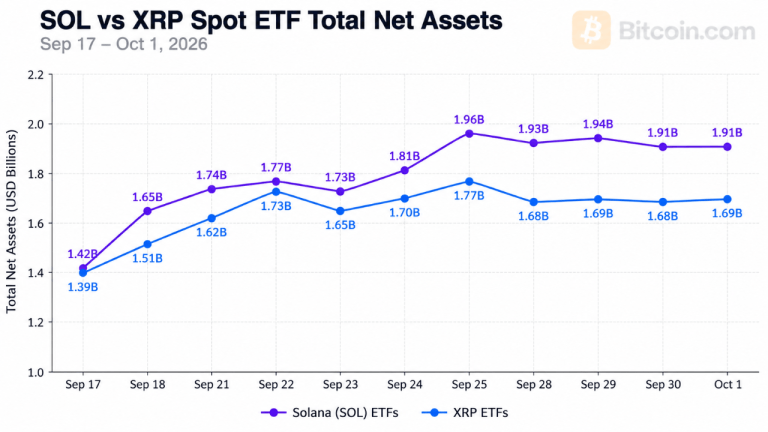
Solana ETFs Overtake XRP Funds With $1.91 Billion in Assets
Solana ETFs have overtaken XRP products in total net assets after an eight-day inflow streak brought in nearly $254 million. The s...
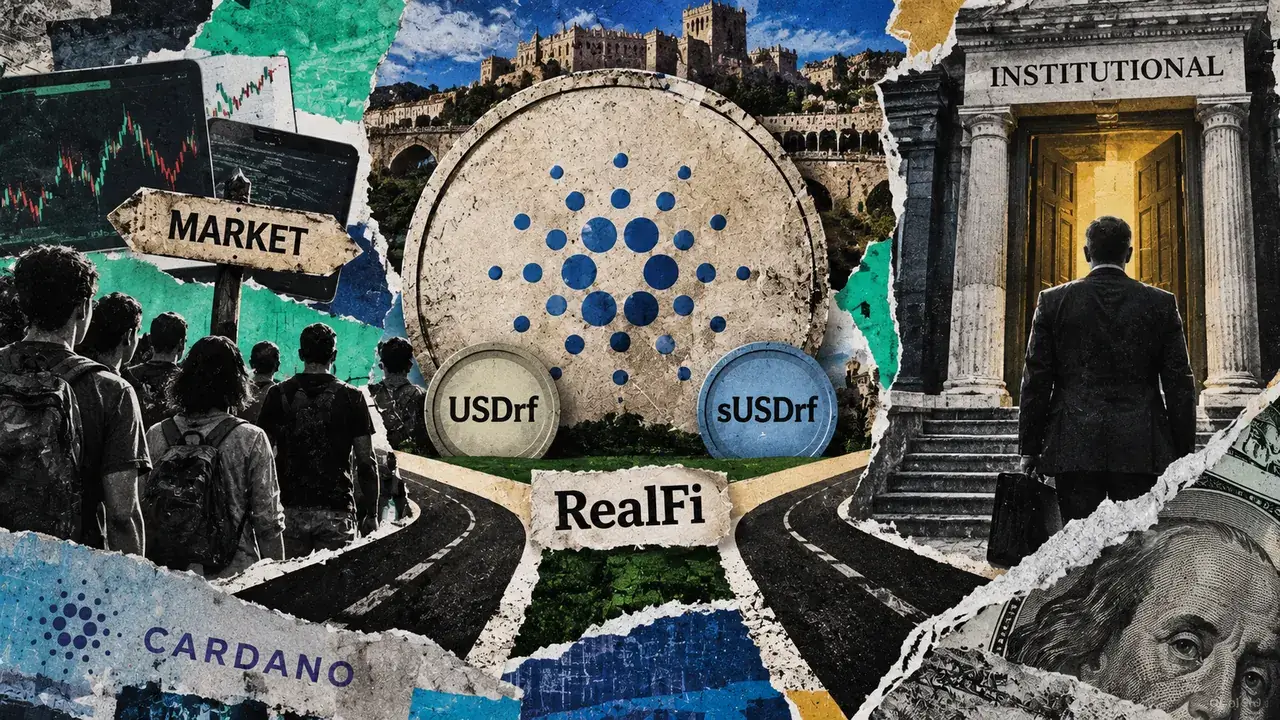
Cardano’s DeFi has shrunk by more than half and RealFi is betting credit can revive it
Cardano’s “bank the unbanked” push went live with RealFi, putting real-world credit behind a new dollar-token system. On Oct. 1, R...

Once a $2 billion Ethereum layer-2, Blast is shutting down after assets plunge 98%
Once home to more than $2 billion in crypto assets, Blast is shutting down as activity fades, costs rise, and bigger platforms lik...
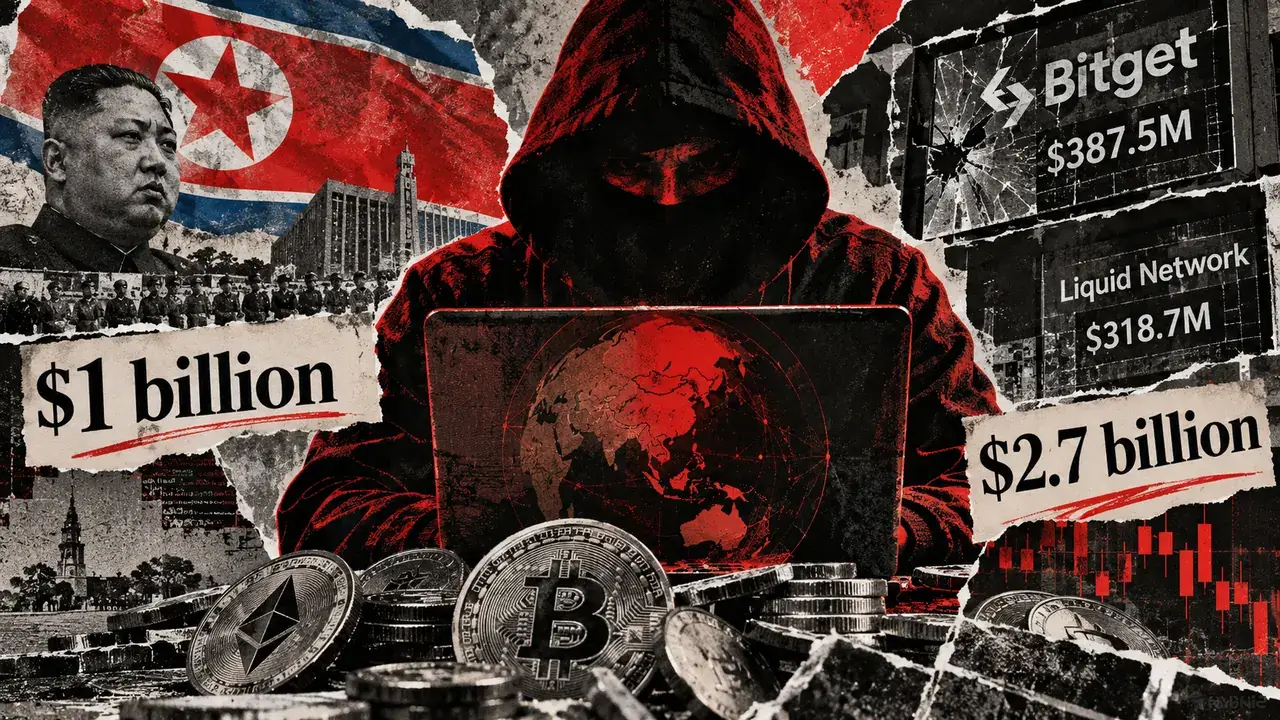
Crypto hackers have taken $2.7 billion in 2026 and the losses are alarmingly concentrated
Crypto firms and users have lost nearly $2.7 billion to security incidents this year, with North Korea-linked thefts exceeding $1...

Hester Peirce departs SEC after years of advocating for digital assets
Peirce's departure leaves the SEC with a narrowed perspective, potentially impacting future crypto regulation and innovation initi...
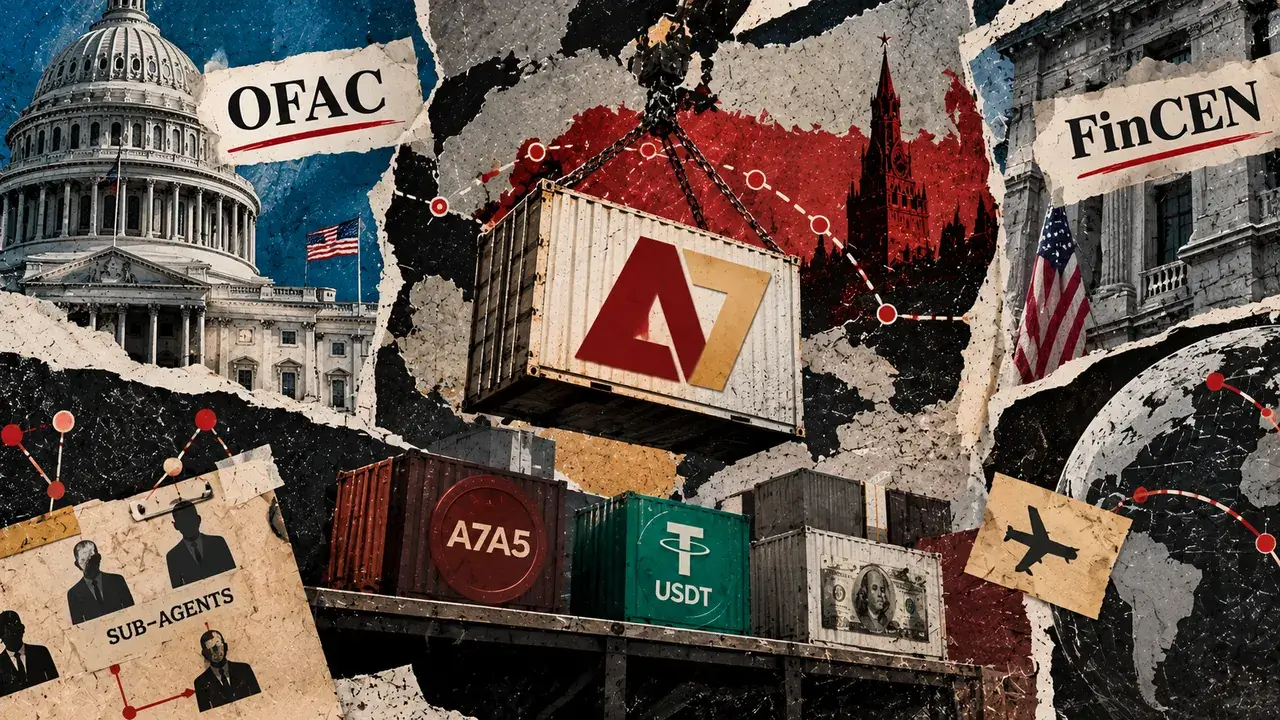
US targets $17 billion Russia-linked crypto payment network using USDT as an escape route
The US sanctioned the Russia-linked A7 Network and proposed new restrictions to cut its crypto intermediaries off from global mark...