Bitcoin Core to unilaterally remove controversial OP-Return limit
Bitcoin Core developers have decided to remove a limit on transaction data in the next network upgrade, enabling more data to be included in a more efficient way. “Bitcoin Core’s next release will, by default, relay and...
Archive context
Older archive item. Useful for background and entity history, but not a fresh market-moving signal.

Bitcoin Core developers have decided to remove a limit on transaction data in the next network upgrade, enabling more data to be included in a more efficient way.
“Bitcoin Core’s next release will, by default, relay and mine transactions whose OP_RETURN outputs exceed 80 bytes and allow any number of these outputs,” read the announcement on GitHub by Bitcoin developer Greg Sanders on May 5.
The long-standing limit was originally a “gentle signal that block space should be used sparingly for non-payment proof of publication data,” has outlived its utility, he added.
The proposal (PR 32359) was created by Bitcoin pioneer Peter Todd at the request of Chaincode Labs.
OP_RETURN is a special type of Bitcoin (BTC) transaction output that allows storing small amounts of data on the blockchain, popularized during the ordinals inscriptions craze in early 2024.
Unlike regular transaction outputs, OP_RETURN outputs are not spendable and don’t bloat unspent transaction outputs (UTXOs).
The original limit is no longer effective as people found ways around it, such as using fake output addresses, which are actually worse for the network, while some mining services were already ignoring the limit, said Sanders.
“Large-data inscriptions are happening regardless and can be done in more or less abusive ways; the cap merely channels them into more opaque forms that cause damage to the network.”Related: Bitcoin block size could grow to 4 MB with inscriptions: Research
Benefits of removing the limit include a cleaner UTXO set, or database of spendable outputs, more consistent behavior across the network, and better alignment with how Bitcoin is actually being used, he added.
Three possible paths were considered: keeping the cap, raising the cap and removing the cap, which was ultimately decided upon after earning “broad, though not perhaps unanimous, support.”
A controversial change to Bitcoin“Many users find this to be an undesirable change for a number of reasons,” said Bitcoiner Samson Mow on X on May 5. He added that users “can refuse to upgrade and stay on 29.0 or run another implementation” of the network.
Critics said that the proposal was introduced without a proper consensus process.
“I think one thing is pretty clear, there is no consensus at the moment on this OP_RETURN issue,” said Ten31 Fund managing partner Marty Bent.
Some also expressed concerns about deprioritizing Bitcoin’s financial utility and raised questions about undisclosed conflicts of interest.
Critics of OP_RETURN limit removal. Source: moonsettlerMagazine: Bitcoin to $1M ‘by 2029,’ CIA tips its hat to Bitcoin: Hodler’s Digest
Why this matters
This bitcoin story adds another data point to the current market tape and is useful when read alongside nearby source coverage.
Original source
Read on CointelegraphRelated market context

Binance Bitcoin Outflows Hit 13,800 BTC in 3-Year Record as FOMO Returns
Key Takeaways: More than 13,800 BTC was out, a record amount of money in a single day for Binance since 2023. Binance’s Bitcoin re...

SEC Staff Clear Token Buybacks on Working Networks, With a Warning for Unfinished Ones
More crypto projects are using revenue to buy back their own tokens, the way public companies repurchase stock. Ethena proposed a...

Circle Agent Marketplace Brings USDC Payments and Live Data Tools to Arc Blockchain
Key Takeaways: Circle Agent Marketplace now makes services available for AI agents on Arc. Agents have access to live web search,...

SEC Clarifies When Crypto Buybacks And Network Upgrades Can Raise Securities Questions
TL;DR SEC staff has published new FAQs explaining how federal securities laws may apply to crypto-asset buybacks, network upgrades...
The Clearing House Picks Quant For US Tokenized Deposit Network
The Clearing House has selected Quant to provide the interoperability and transaction-management layer for its On-Chain Money Init...
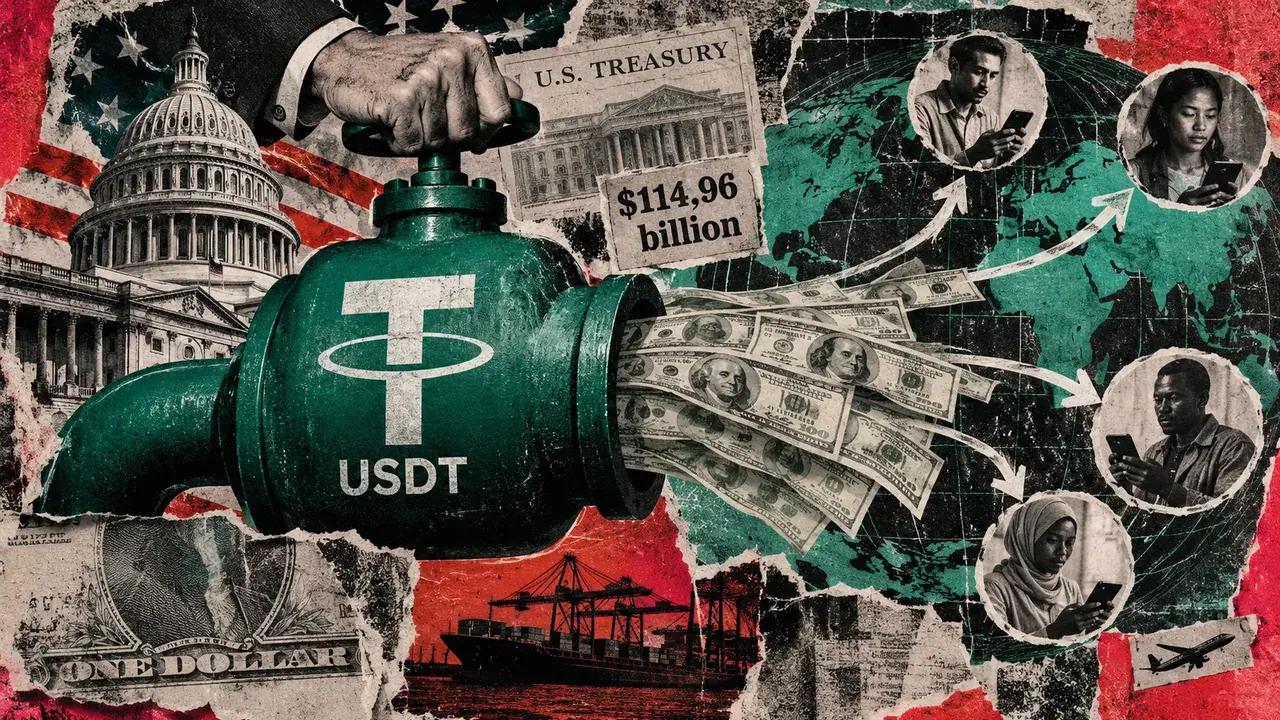
Washington has $114 billion reasons to want Tether around
Not that long ago, Washington fined Tether for misleading people about the dollars behind its tokens. Today, the company's insatia...