Bitcoin Pioneer Roger Ver Seeks Dismissal of Tax Evasion Charges
The case stems from his renunciation of U.S. citizenship in 2014 and has raised significant questions about the constitutionality of the Internal Revenue Service’s (IRS) “exit tax.” Ver’s legal battle underscores broader...
Archive context
Older archive item. Useful for background and entity history, but not a fresh market-moving signal.

The case stems from his renunciation of U.S. citizenship in 2014 and has raised significant questions about the constitutionality of the Internal Revenue Service’s (IRS) “exit tax.” Ver’s legal battle underscores broader concerns about regulatory clarity in the cryptocurrency industry.
The US government claims that Ver, 45, neglected to pay taxes on $240 million in Bitcoin he sold in 2017. Prosecutors believe he underreported his Bitcoin holdings and supplied erroneous asset valuations while filing his departure tax, which is required for U.S. citizens who renounce their citizenship and have assets worth more than $2 million.
The charges include tax evasion, filing false tax returns, and mail fraud, which could result in a maximum term of 30 years in jail if Ver is found guilty on all counts. The indictment also accuses Ver of willfully misrepresenting the worth of his holdings to reduce his tax liability.
Defense ArgumentsVer’s defense team has described the charges as illegal and politically motivated. In a court filing on December 3, his lawyers asserted that the IRS exit tax violates the Apportionment and Due Process Clauses of the United States Constitution.
Screenshot of Dec. 3 court filing alleging IRS exit tax violates the U.S. Constitution. Source: Courtlistener
“The exit tax at issue violates both the Apportionment Clause and the Due Process Clause of the Constitution,” the filing stated, adding that Ver relied on professional legal advice and acted in good faith. His attorneys also criticized the prosecution for allegedly withholding exculpatory evidence and improperly interrogating one of Ver’s lawyers.
Extradition and Political ContextVer’s legal troubles deepened earlier this year when he was arrested in Spain while attending a cryptocurrency conference. He stays in Spain as local courts consider his possible extradition to the United States. His lawyers have expressed confidence that evolving political circumstances in the United States may result in a more favorable position toward cryptocurrency legislation, which could have an impact on his case.
Robert Barnes, Ver’s civil rights attorney, has described the charge as an example of “selective harassment” of important players in the cryptocurrency business. “This case represents government overreach and a lack of clear regulatory guidelines,” Barnes said in a statement.
Roger Ver is a well-acknowledged figure within the cryptocurrency field. Being an early investor in Bitcoin when the digital asset was less than $1, his promotional effort got him the nickname “Bitcoin Jesus.” In 2017, Ver emerged to be an ardent supporter of Bitcoin Cash—a Bitcoin fork aimed at offering faster transaction speed and better scalability.
Ver’s legal challenges are not his first foray into scandal. In 2022, he faced litigation from platforms such as CoinFLEX, who claimed he owed $47 million in USD Coin. Despite these losses, Ver remains a key player in the crypto world, advocating for decentralized finance systems.
Regulatory ImplicationsVer’s case shows the persistent conflicts between the cryptocurrency industry and government officials. Critics claim that the US government’s approach, which focuses on enforcement rather than defined policies, produces an unpredictable environment for business participants.
Observers speculate that Ver’s strong criticism of US crypto rules may have made him a target for inspection. The outcome of this case could set a significant precedent for how digital assets are treated under U.S. tax law. As the cryptocurrency sector continues to evolve, the need for clearer regulatory frameworks becomes increasingly urgent.
Ver’s next moves depend on the verdict of his extradition hearings and his ongoing legal battle in US courts. His legal team is still optimistic that the accusations will be dismissed, citing procedural and constitutional grounds. Meanwhile, the case serves as a cautionary story for cryptocurrency investors dealing with the complexity of tax compliance and governmental scrutiny.
Why this matters
This bitcoin story adds another data point to the current market tape and is useful when read alongside nearby source coverage.
Original source
Read on Brave New CoinRelated market context
SEC Commissioner Hester Peirce exits after eight years as crypto’s most prominent regulatory ally
Peirce's departure may slow crypto regulation progress, impacting SEC's ability to swiftly implement clear digital asset guideline...
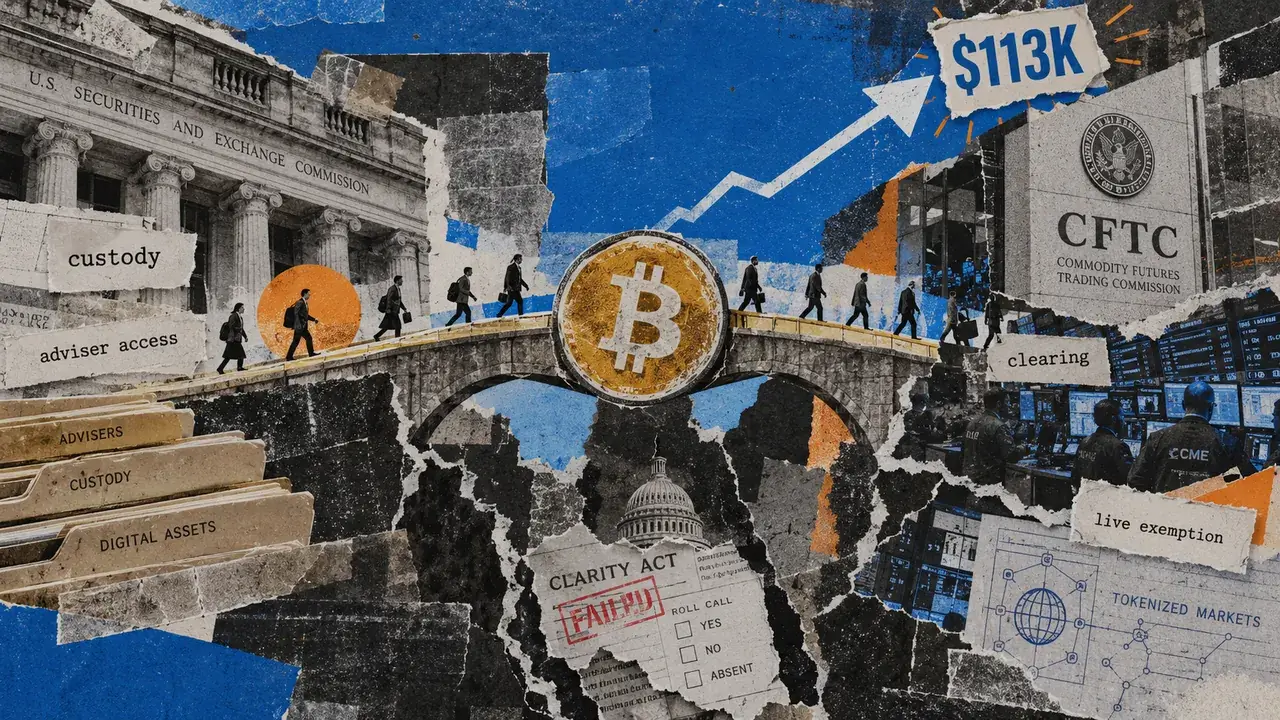
Bitcoin’s $113,000 case strengthens as US regulators push 9 crypto actions
The US Securities and Exchange Commission (SEC) proposed a custody framework on Oct. 1 that would let investment advisers and regu...

Canary amends PEPE ETF filing, signaling renewed crypto market confidence
The amended filing reflects growing institutional interest and could signal a shift towards a more favorable regulatory climate fo...

El Salvador’s Bitcoin stash sits at $618 million despite IMF strings
El Salvador's Bitcoin strategy highlights the complexities of balancing national financial autonomy with international loan condit...

Solana Perps Exchange Drift Opens Recovery Token Claims for Users Who Lost Over $290 Million
The Drift Foundation opened claims and redemptions on Thursday for DFX, a Solana token issued to users of the perpetuals exchange...

ICBA sues OCC over crypto trust charters, raising regulatory concerns
The lawsuit underscores the ongoing struggle for regulatory clarity in the crypto sector, potentially hindering institutional adop...