Bitcoin Pizza Day: P2P Digital Cash Actualized 12 Years Ago
While many like to use Bitcoin Pizza Day as a meme, it actualized Satoshi Nakamoto’s goal with their invention: digital money without intermediaries.Bitcoin Pizza Day is likely the famous remembrance day of Bitcoin’s his...
Archive context
Older archive item. Useful for background and entity history, but not a fresh market-moving signal.
While many like to use Bitcoin Pizza Day as a meme, it actualized Satoshi Nakamoto’s goal with their invention: digital money without intermediaries.
Bitcoin Pizza Day is likely the famous remembrance day of Bitcoin’s history. It alludes to the day when BTC was first used to purchase a real-world product, on May 22, 2010.
The transaction took place after Laszlo Hanyecz posted to the most active medium of communication about Bitcoin at the time – the Bitcoin Talk forum:
“I’ll pay 10,000 bitcoins for a couple of pizzas.. like maybe 2 large ones so I have some left over for the next day. I like having left over pizza to nibble on later. You can make the pizza yourself and bring it to my house or order it for me from a delivery place, but what I’m aiming for is getting food delivered in exchange for bitcoins where I don’t have to order or prepare it myself, kind of like ordering a ‘breakfast platter’ at a hotel or something, they just bring you something to eat and you’re happy!”
While the amount of bitcoin paid for those two simple pizzas may seem mind-blowing today, times were different then.
“So nobody wants to buy me pizza? Is the bitcoin amount I’m offering too low?,” Hanyecz posted three days later as not a single Bitcoin user had yet accepted his offer.
Indeed, many found the offer a bit odd. One forum user highlighted that Hanyecz could sell the 10,000 BTC for about $41 at the time instead of exchanging for mere food – which he could simply order directly and pay with dollars as any other pizza lover would probably do. Another user asked, “Are you getting hungry or do you just like pizza?”
“I just think it would be interesting if I could say that I paid for a pizza in bitcoins,” Hanyecz replied.
The offer was eventually taken by Jeremy “Jercos” Sturdivant, and Hanyecz’s odd move would years later become ammo for a whole crowd of Bitcoin users to fuel the HODL narrative – the idea of never selling one’s bitcoin. Clearly, in hindsight, spending what would today be $300 million in two pizzas may seem stupid. However, not only was it not clear that bitcoin would be as popular as it is today, but also what Hanyecz pioneered actualized Satoshi Nakamoto’s primary goal with their invention.
Bitcoin: Money Outside Governmental Control“Bitcoin: a peer-to-peer electronic cash system” – this is how Nakamoto titled their research paper describing Bitcoin’s design – fruit of decades of research.
Through cryptography, proof-of-work (PoW), a blockchain and a network of interconnected computers, the inventor was able to port peer-to-peer (P2P) money – cash – to the digital realm, a feat until then impossible.
While many enjoy embarking on and promoting the HODL ethos today, not only was Bitcoin created as money but it was devised as one that enabled its holders the optionality to spend without asking for permission. In other words, Nakamoto created permissionless money in the digital economy.
While in a traditional, physical cash transaction only those sending and receiving the money needed to be involved, digital trades had historically involved intermediaries. Think of a credit card transaction or a bank transfer; in both cases, there is a myriad of entities involved in making sure the balance of the sender is checked, the money is moved, and the balance of the receiver is updated. With Bitcoin, this could now all be done just like cash – truly P2P.
The trimming of centralized authorities in-between payments not only allows for greater transactional privacy (think again of physical cash trades as opposed to a credit card swipe) but allow for greater freedom in money transmission. While in stable countries like the U.S. seeing transactions being censored is more of an edge case, a considerable part of the world’s population lives under more authoritarian regimes and don’t share the same luck. As a result, the simplest of the transactions risk being declined – and can even incur in personal damage to the transacting parties.
While saving in bitcoin can lead to a considerable growth of wealth over the long term through the mentality of HODLing one’s coins, it is arguably through the technology’s empowerment of oppressed communities that its true value proposition shines – something privileged Western societies can often forget about.
Why this matters
This bitcoin story adds another data point to the current market tape and is useful when read alongside nearby source coverage.
Original source
Read on Bitcoin MagazineRelated market context
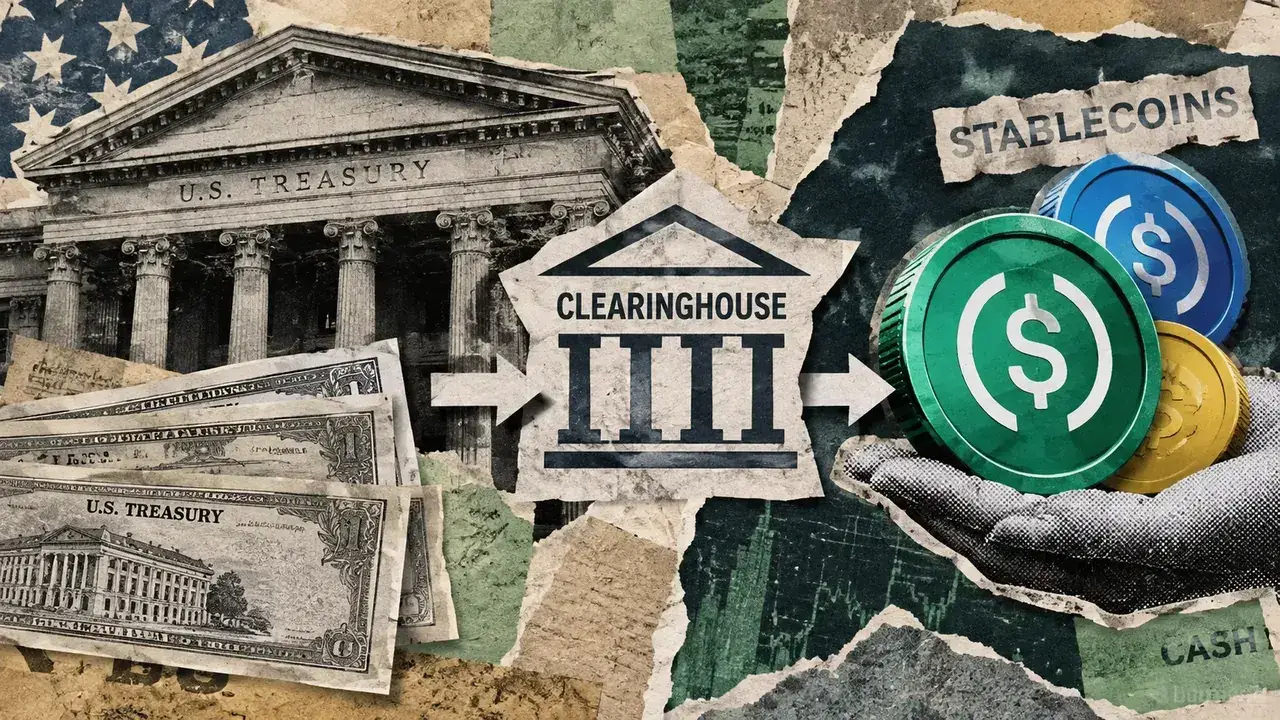
New Treasury rules could change how stablecoin issuers get your dollars back
US government debt is one of the easiest assets in the world to borrow against, which lets financial companies get cash without gi...
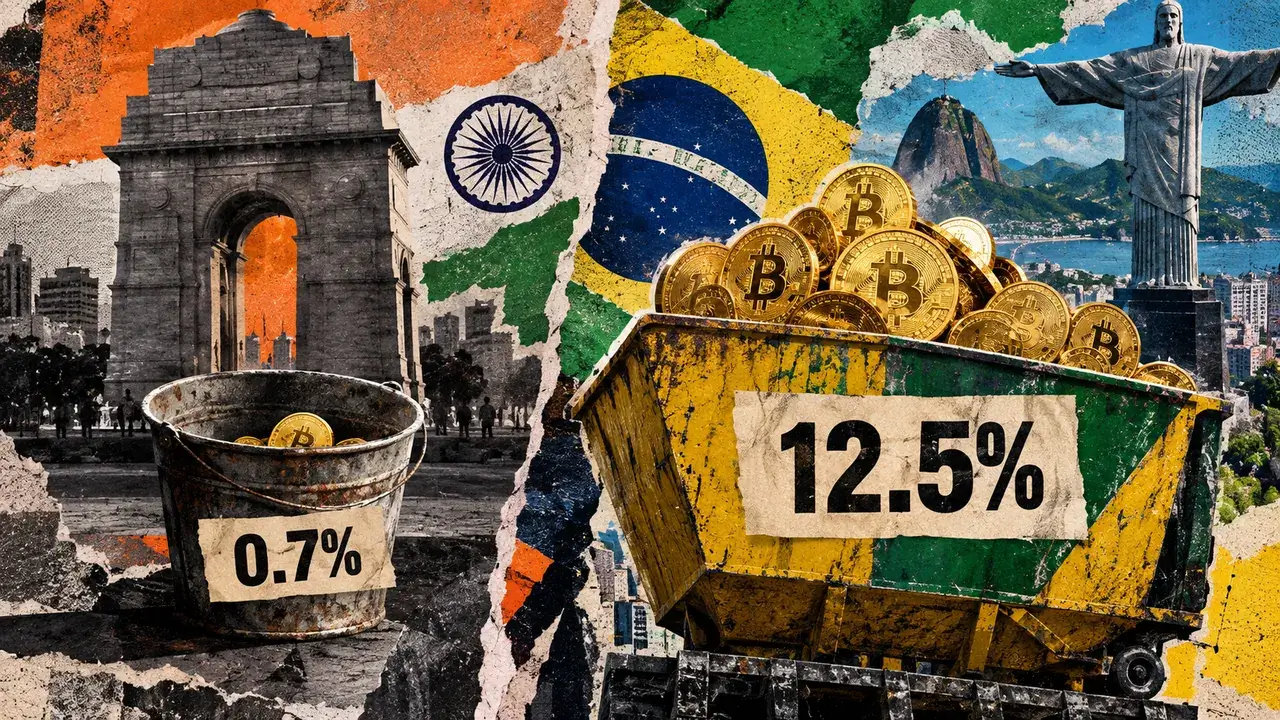
India’s local crypto exchanges get just 0.7% of inflows, Chainalysis reports
India’s crypto users send substantial value to centralized exchanges, but domestic platforms receive just 0.7% of exchange value i...
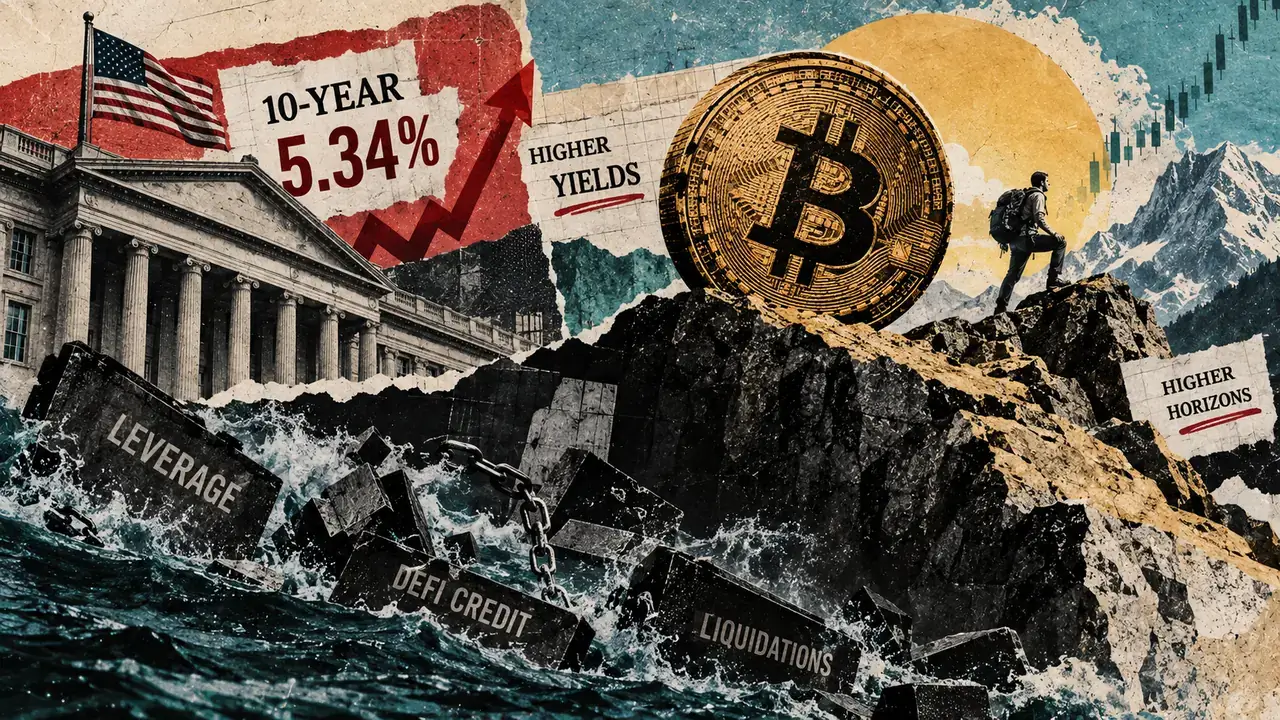
Bitcoin survived 5% yields but crypto’s cheap-money era did not
The US 10-year Treasury yield touched 5.34% on Oct. 1, its highest since 2002, capping a third quarter in which it climbed almost...
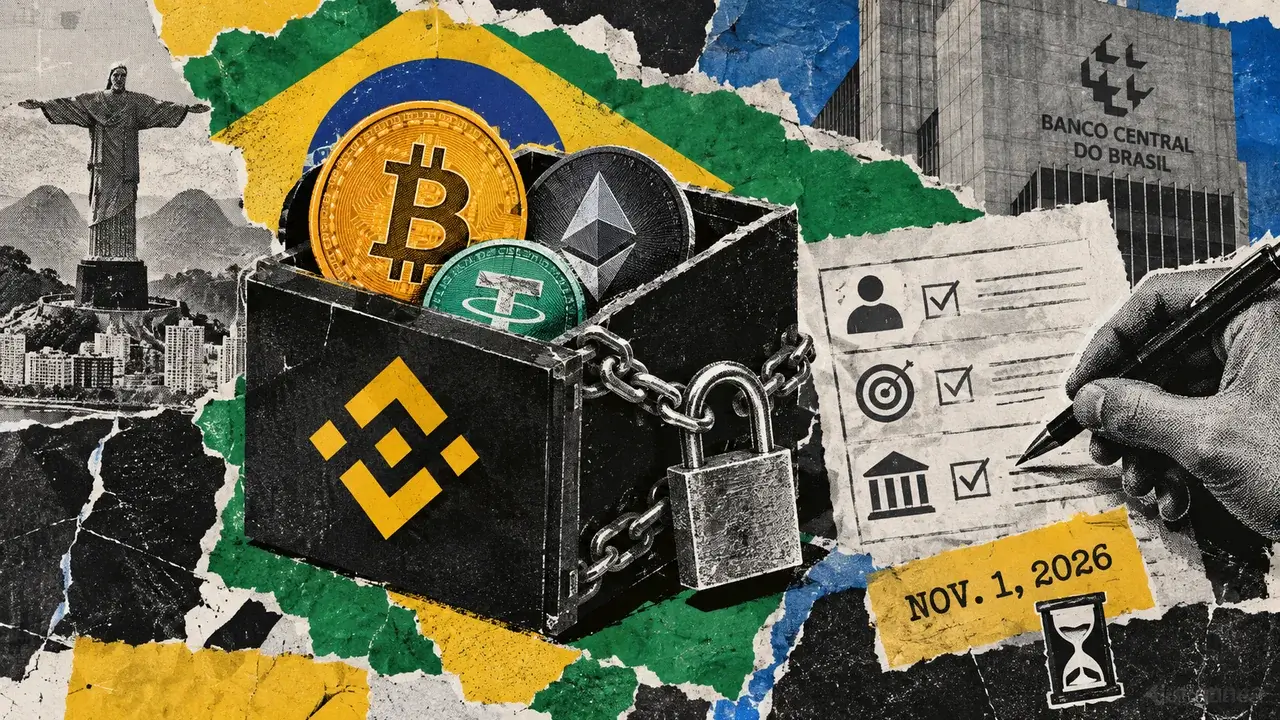
Binance will hold some Brazil crypto deposits until users explain where the money came from
Binance will require Brazilian users to provide additional information for cross-border crypto transfers starting Nov. 1. The exch...

Grayscale’s Zach Pandl to make the macro case for Zcash in Singapore
Grayscale's push for Zcash highlights growing institutional interest in privacy-focused assets, potentially reshaping digital asse...

HSBC RedCoin Targets 74% Stablecoin-Aware Users Ahead of Hong Kong Launch
Key Takeaways: HSBC has officially unveiled the name of its stablecoin, HSBC RedCoin Of the 1,060 consumers surveyed, 74% now unde...