Bitcoin Price Falls Below $30,000 With Unexpected 8.3% Inflation Report
CPI inflation data exceeded market expectations, maintaining a near 40-year high of 8.3% as bitcoin falls below its $30,000 line of support.U.S. inflation maintains a near 40-year high with a 8.3% CPI increase. Bitcoin h...
Archive context
Older archive item. Useful for background and entity history, but not a fresh market-moving signal.

CPI inflation data exceeded market expectations, maintaining a near 40-year high of 8.3% as bitcoin falls below its $30,000 line of support.
- U.S. inflation maintains a near 40-year high with a 8.3% CPI increase.
- Bitcoin has fallen below its $30,000 line of support as inflation exceeds expectations.
- Fuel prices show the highest 12-month adjusted inflation ending in April at over 80%.
According to a report from the Bureau of Labor Statistics (BLS), U.S. Consumer Price Index (CPI) inflation data is up 8.3% maintaining a near 40-year high while bitcoin is falling below the support level of $30,000 at the time of writing.
Market expectations for CPI data hovered at 8.1%. Inflation numbers from last month reported a 40-year record breaking 8.5% continuing the largest increases observed since 1981, but right below the January 1982 inflation data of 8.4%.
The energy and transportation indices denote the largest monthly increases as Utility (Piped) Gas Services and Transportation indices rose 3.1%, while the Fuel index rose 2.7%. Food saw a 0.9% increase for its seventeenth consecutive month of increases. However, the energy index saw a 2.7% decrease, but this carries little meaning when the previous month it rose 11%.
TradingView data shows bitcoin is down 25% on the month and 40% on the year as much of this year the Federal Reserve has positioned itself towards quantitative tightening (QT) which is often used to combat inflation, rather than quantitative easing (QE), which one could argue is inflation.
The price of bitcoin currently teetering around $29,000 shows weakness in the short-term as the price has not fallen this low since July, 2021. Bitcoin tends to rise in QE environments as fabricated amounts of money enter the system which leads to a large portion of the extra dollars being invested into assets, often driving price increases. QT environments raise rates, making it harder to borrow extra money which means many assets lose in-flow of liquidity resulting in falling prices.
Why this matters
This bitcoin story adds another data point to the current market tape and is useful when read alongside nearby source coverage.
Original source
Read on Bitcoin MagazineRelated market context
Bitcoin Price Surges Above $87,000 on Softer-Than-Expected Jobs Data
Bitcoin Magazine Bitcoin Price Surges Above $87,000 on Softer-Than-Expected Jobs Data The price of bitcoin surged above $87,000 on...

Bitcoin (BTC) Price Today: 2028 Halving Cycle and BlackRock ETF Inflow Signal Long-Term Rally
Recent market data also show that Bitcoin buyers have absorbed a key sell wall around $85,000, reducing one source of near-term re...

Bitcoin nears highest level since January as $85,000 sell wall clears, US jobs data disappoints
Bitcoin climbed back toward $87,000 on Friday as sellers cleared out around $85,000, according to Glassnode.
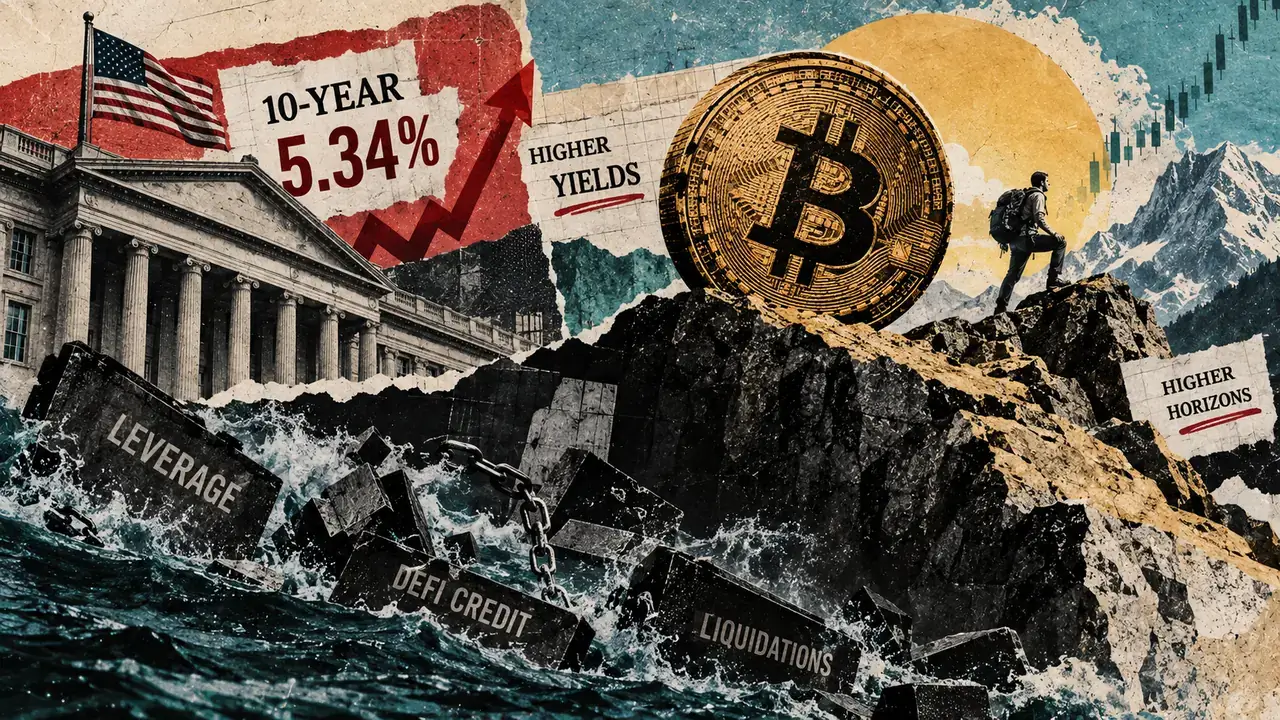
Bitcoin survived 5% yields but crypto’s cheap-money era did not
The US 10-year Treasury yield touched 5.34% on Oct. 1, its highest since 2002, capping a third quarter in which it climbed almost...
Citi Calls For Much Higher BTC, NEAR ETF Goes Live, And More – Weekly Recap
This week’s stories spanned institutional forecasts, security failures and new crypto products. Citi raised its 12-month bitcoin t...
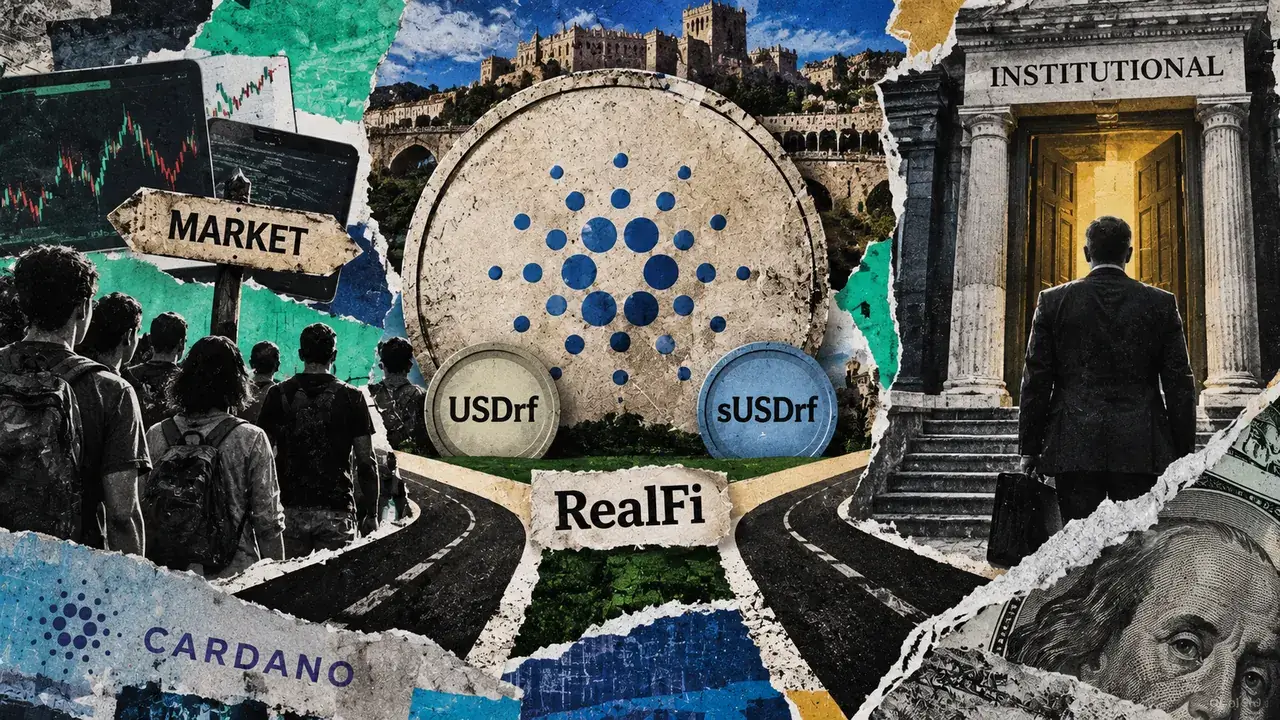
Cardano’s DeFi has shrunk by more than half and RealFi is betting credit can revive it
Cardano’s “bank the unbanked” push went live with RealFi, putting real-world credit behind a new dollar-token system. On Oct. 1, R...