Bitcoin traders are overstating the impact of the US-led tariff war on BTC price
Despite Bitcoin’s 2.2% gains on April 1, BTC (BTC) hasn’t traded above $89,000 since March 7. Even though the recent price weakness is often linked to the escalating US-led global trade war, several factors had already b...
Archive context
Older archive item. Useful for background and entity history, but not a fresh market-moving signal.

Despite Bitcoin’s 2.2% gains on April 1, BTC (BTC) hasn’t traded above $89,000 since March 7. Even though the recent price weakness is often linked to the escalating US-led global trade war, several factors had already been weighing on investor sentiment long before President Donald Trump announced the tariffs.
Some market participants claimed that Strategy’s $5.25 billion worth of Bitcoin purchases since February is the primary reason BTC has held above the $80,000 support. But, regardless of who has been buying, the reality is that Bitcoin was already showing limited upside before President Trump announced the 10% Chinese import tariffs on Jan. 21.
Gold/USD (left) vs. Bitcoin/USD (right). Source: TradingView / Cointelegraph
The S&P 500 index hit an all-time high on Feb. 19, exactly 30 days after the trade war began, while Bitcoin had repeatedly failed to hold above $100,000 for the previous three months. Although the trade war certainly affected investor risk appetite, strong evidence suggests Bitcoin's price weakness started well before President Trump took office on Jan. 20.
Spot Bitcoin ETFs inflows, strategic Bitcoin reserve expectations and inflationary trendsAnother data point that weakens the relation with tariffs is the spot Bitcoin exchange-traded funds (ETFs), which saw $2.75 billion in net inflows during the three weeks following Jan. 21. By Feb. 18, the US had announced plans to impose tariffs on imports from Canada and Mexico, while the European Union and China had already retaliated. In essence, institutional demand for Bitcoin persisted even as the trade war escalated.
Part of Bitcoin traders’ disappointment after Jan. 21 stems from excessive expectations surrounding President Trump’s campaign promise of a “strategic national Bitcoin stockpile,” mentioned at the Bitcoin Conference in July 2024. As investors grew impatient, their frustration peaked when the actual executive order was issued on March 6.
A key factor behind Bitcoin’s struggle to break above $89,000 is an inflationary trend, reflecting a relatively successful strategy by global central banks. In February, the US Personal Consumption Expenditures (PCE) Price Index rose 2.5% year-over-year, while the eurozone Consumer Price Index (CPI) increased by 2.2% in March.
Investors turn more risk-averse following weak job market dataIn the second half of 2022, Bitcoin’s gains were driven by inflation soaring above 5%, suggesting that businesses and families turned to cryptocurrency as a hedge against monetary debasement. However, if inflation remains relatively under control in 2025, lower interest rates would favor real estate and stock markets more directly than Bitcoin, as reduced financing costs boost those sectors.
US CPI inflation (left) vs. US 2-year Treasury yield (right). Source: TradingView
Related: Coinbase sees worst quarter since FTX collapse amid industry bloodbath
The weakening job market also dampens traders’ demand for risk-on assets, including Bitcoin. In February, the US Labor Department reported job openings near a four-year low. Similarly, yields on the US 2-year Treasury fell to a six-month low, with investors accepting a modest 3.88% return for the safety of government-backed instruments. This data suggests a rising choice for risk aversion, which is unfavorable for Bitcoin.
Ultimately, Bitcoin’s price weakness stems from investors' unrealistic expectations of BTC acquisitions by the US Treasury, declining inflation supporting potential interest rate cuts, and a more risk-averse macroeconomic environment as investors turn to short-term government bonds. While the trade war has had negative effects, Bitcoin was already showing signs of weakness before it began.
This article is for general information purposes and is not intended to be and should not be taken as legal or investment advice. The views, thoughts, and opinions expressed here are the author’s alone and do not necessarily reflect or represent the views and opinions of Cointelegraph.
Why this matters
This bitcoin story adds another data point to the current market tape and is useful when read alongside nearby source coverage.
Original source
Read on CointelegraphRelated market context
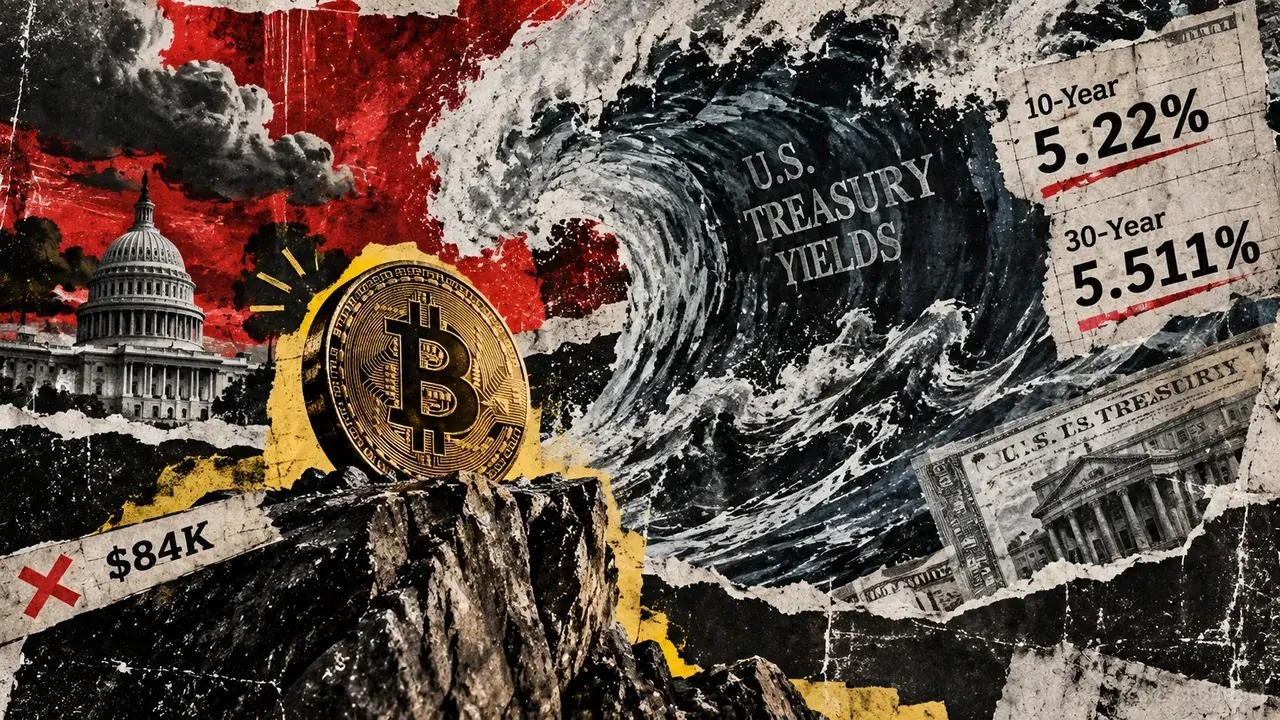
Bitcoin survives a 5.2% Treasury shock as traders slash $1.7 billion in leverage
Bitcoin is holding near $84,000 even as a historic US bond selloff pushes Treasury yields to decades-high levels. The benchmark 10...

Ethereum Slips to £2,017 Against Sterling as Pound-Denominated Traders Track Mild Drawdown
Ethereum trades at £2,017.54 against the pound, down 1.02% in 24 hours, as UK traders track the live ETH/GBP rate near the £2,000...

Fed October Decision Polymarket Odds: October Rate Hike Sits at 64%
Bitcoin and the wider cryptocurrency market are facing a renewed macroeconomic headwind as traders increasingly anticipate another...
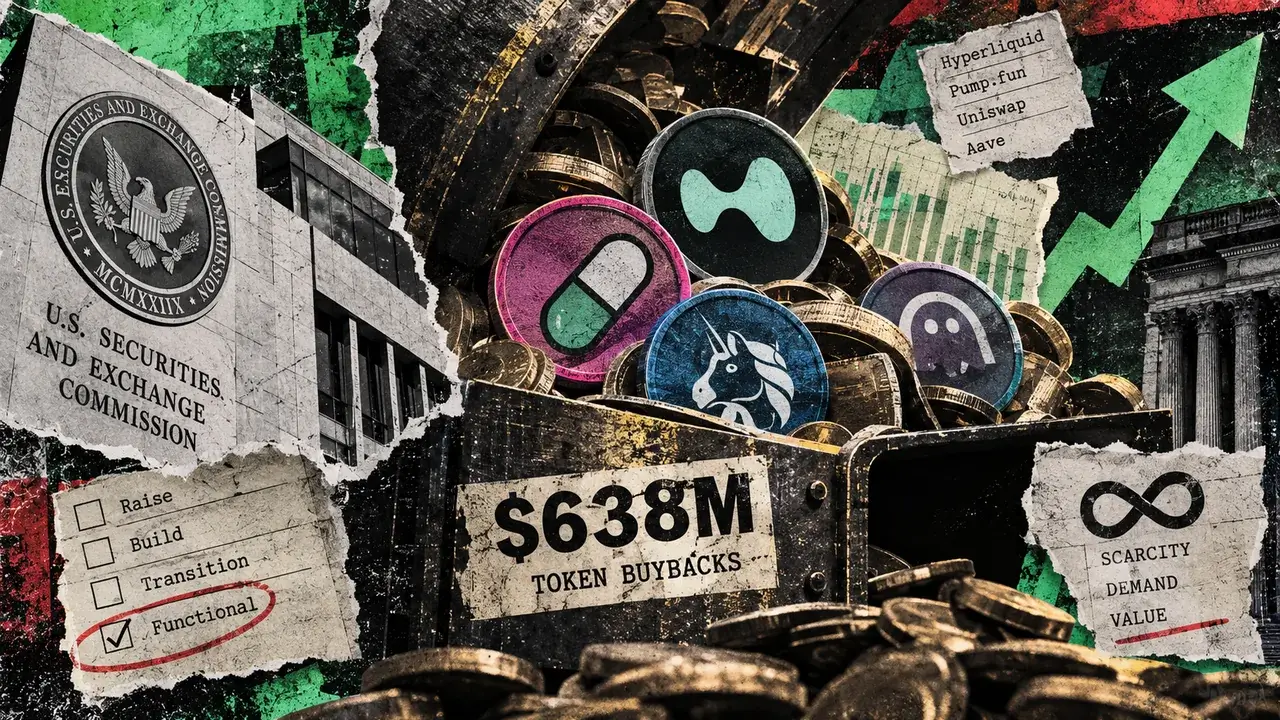
SEC clears regulatory hurdle as crypto token buybacks hit record $638 million
Crypto projects spent about $638 million with token buybacks through late August 2026, according to Allium Labs data. That is alre...

Crypto Investors Can Now Buy Into Cathie Wood’s Fund Holding SpaceX, OpenAI and Kalshi
Cathie Wood’s ARK Invest and tokenization firm Securitize announced on Sept. 24 that they have tokenized the ARK Venture Fund (ARK...

Who Bought Bitcoin’s Breakout? The Answer Will Decide Whether The Price Holds
In August, bitcoin’s rally was driven by spot bitcoin ETFs, which bought for nine straight trading days, and by short sellers who...