Bitcoin’s Hidden Backdoor? The Mystery of Satoshi’s “Override” Key
The idea of a hidden backdoor in Bitcoin strikes at the very heart of what the network claims to represent: decentralization, transparency, and trustless control. Over the years, a persistent theory has circulated, sugge...
Archive context
Older archive item. Useful for background and entity history, but not a fresh market-moving signal.

The idea of a hidden backdoor in Bitcoin strikes at the very heart of what the network claims to represent: decentralization, transparency, and trustless control. Over the years, a persistent theory has circulated, suggesting that before disappearing, Satoshi Nakamoto may have left behind an override key. This mechanism could theoretically influence or even control the network.
The Mystery Behind Satoshi Nakamoto And The Bitcoin OriginsIn the early days of Bitcoin, Satoshi Nakamoto introduced the Alert Key and gave one developer the secret key that could override every BTC node. An analyst known as Sweep, the Co-Founder of GlydeGG, revealed on X that in 2010, after the infamous 184 billion bug coin that nearly collapsed the entire network, Satoshi Nakamoto introduced this key designed to help protect Bitcoin in emergencies.
When a valid alert was received, BTC clients could enter a form of safe mode, warning users and, in certain cases, limiting normal operation to prevent further damage. Before stepping away, Satoshi transferred this powerful key to Gavin Andresen and also handed over the control of the code repository. Access to the key was reportedly limited to three people: Satoshi Nakamoto, Gavin Andresen, and Theymos.
Between 2012 and 2014, the alert key was used 12 times to issue emergency upgrade notices. This decentralized currency with no central authority had a hidden override switch and was controlled by three individuals for six years.
This mechanism remained in place until the release of BTC version 0.13.0 in 2016, when it was removed as the network matured and no longer required a centralized alert. Then, in 2018, developers published the key publicly, ensuring it could never be used again in any capacity. Sweep argues that even the most decentralized financial network in history has a hidden backdoor the entire time, and almost nobody knew about it.
How Bitcoin Naturally Gravitates Toward Untapped Liquidity ZonesBitcoin’s price action is currently signaling that the rally is nearing exhaustion because the market has already achieved its primary objective on the upside. Crypto trader Max Trades on X has highlighted that the buyers have aggressively driven the price higher, sweeping through all the major liquidity clusters sitting above. With upside liquidity now largely cleared, the market naturally shifts its focus to where liquidity remains.
According to Max Trades, the first key area sits around $70,000, where a significant liquidity cluster aligns with a strong support level. Below that, another large cluster sits at the range low between $65,000 and $66,000. Even if the bullish trend continues, BTC would see a pullback around the current area and sweep the liquidity around the $70,000 zone.
Why this matters
Bitcoin is showing up inside the Market Structure theme, so this story is worth tracking for follow-through rather than treating it as a one-off headline.
Original source
Read on NewsBTCRelated market context

Treasury Sanctions BitBank Over Iranian Crypto Sanctions-Evasion Network
TL;DR U.S. Treasury has sanctioned Iranian digital asset exchange BitBank. OFAC says the platform was part of a network tied to sa...

'We have lost control': Crypto pioneer warns AI could trigger systemic banking and infrastructure shocks
Marc van der Chijs sold much of his bitcoin to invest in AI. Now, growing concerns about the technology accompany a move to put so...

Bitcoin (BTC) Price Today: SOPR Turns Bullish as BTC Holds $81K, Eyes $83K-$86K Short Squeeze
Bitcoin price and market data show BTC trading around $81,300 at the latest update, with a 24-hour range between $77,968 and $81,6...
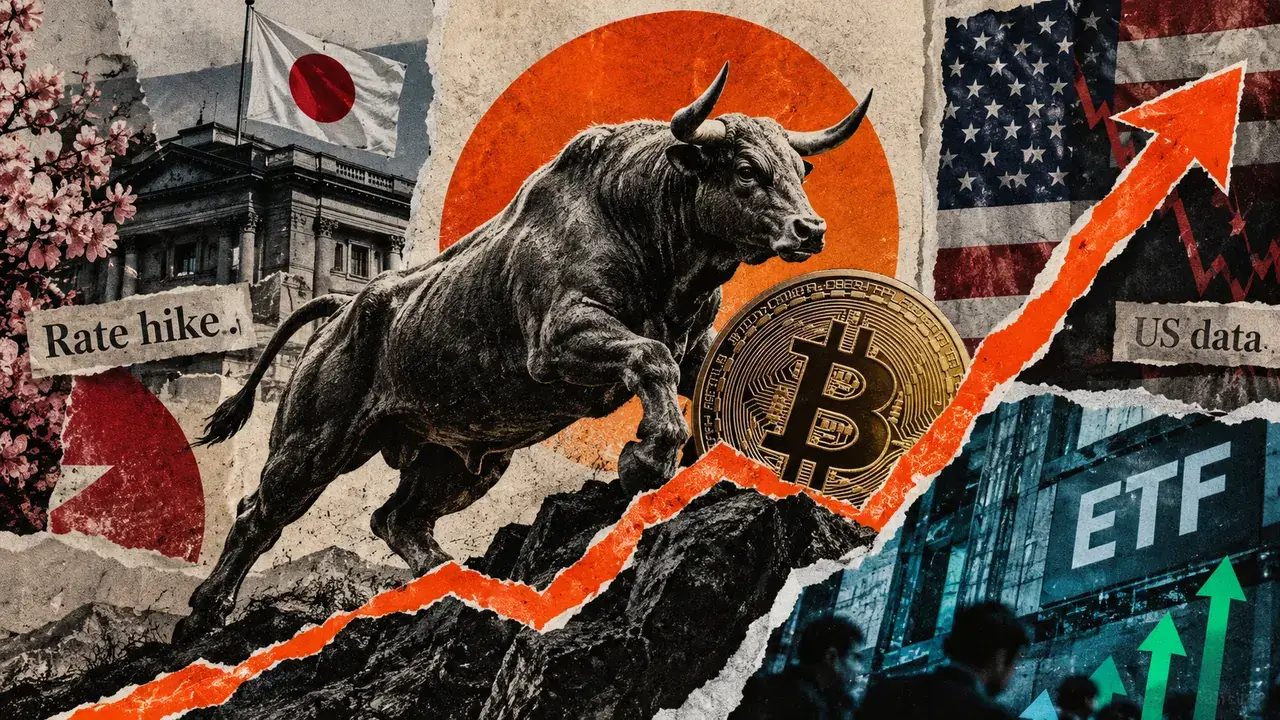
Why Bitcoin hit $80k today hours before bad US data even landed
Bitcoin’s rebound above $80,000 on Sept. 18 extended a technology-led relief rally. The move coincided with yen weakness and follo...

S&P Global to Acquire OpenZeppelin in Crypto Infrastructure Expanding Effort
Key Takeaways: S&P Global has agreed to acquire OpenZeppelin to boost its crypto and onchain risk capabilities. Over $37 trillion...
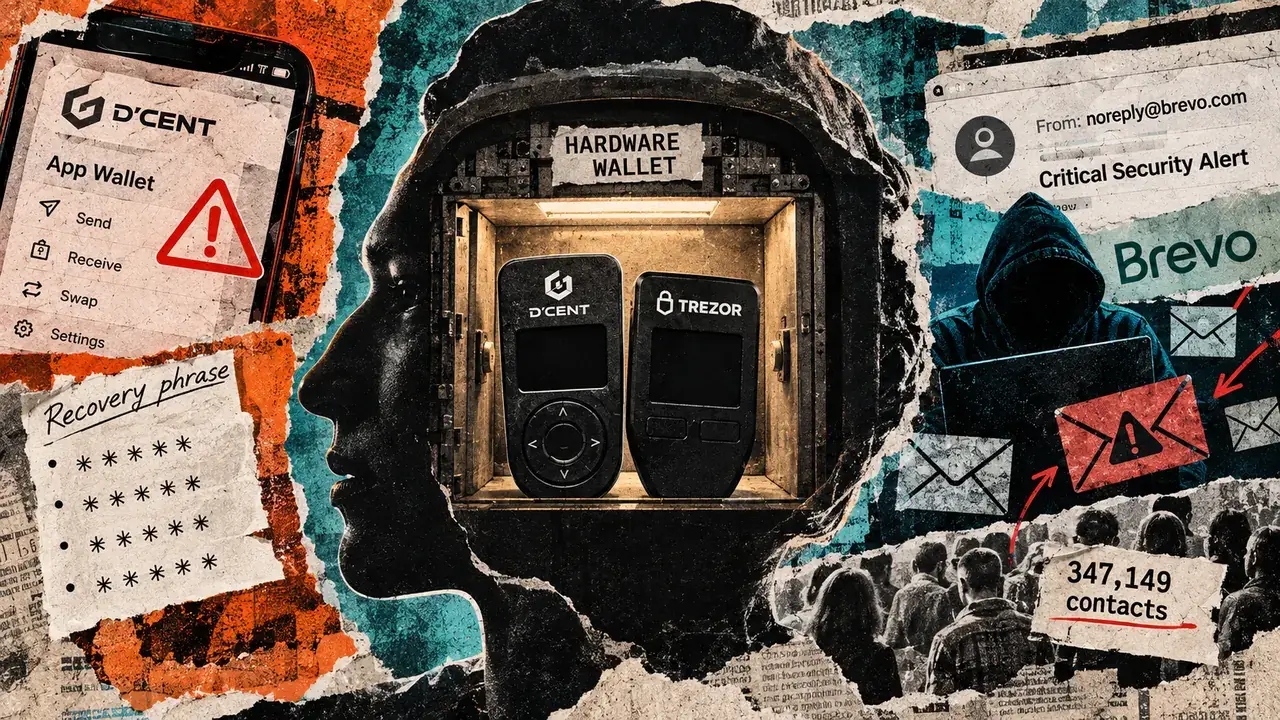
Your crypto hardware wallet can stay secure while everything around it fails
Two wallet incidents this week exposed a growing weakness in crypto self-custody: the systems surrounding hardware devices. D’CENT...