Bitcoin’s Next Halving Nears: Block Rewards to Halve Again
The countdown to Bitcoin’s next halving event, scheduled to take place in just a month, is underway. As estimated by The Block’s halving countdown, the event is set for April 20, where miners’ block rewards will be slash...
Archive context
Older archive item. Useful for background and entity history, but not a fresh market-moving signal.
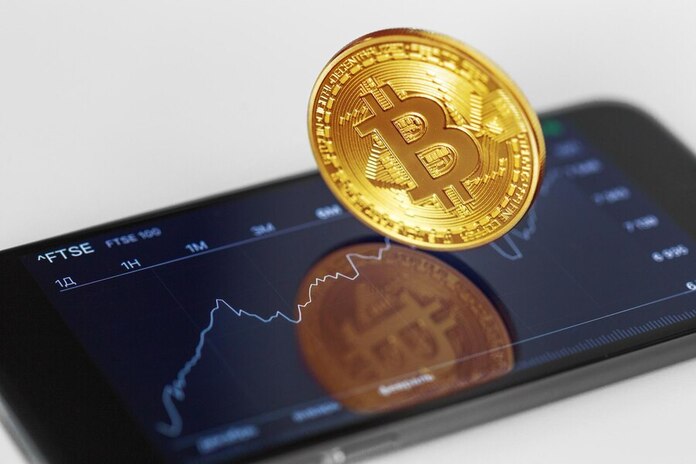
The countdown to Bitcoin’s next halving event, scheduled to take place in just a month, is underway. As estimated by The Block’s halving countdown, the event is set for April 20, where miners’ block rewards will be slashed from 6.25 BTC to 3.125 BTC.
Approximately 4,450 blocks remain until the anticipated date, based on Bitcoin’s average block generation time of 10 minutes. If the current pace holds, April 20 around 8 a.m. EDT marks the potential moment for the halving event, reducing miners’ rewards per block by half.
Bitcoin halvings occur automatically every 210,000 blocks, approximately every four years, in a programmed event. Following each halving, miners receive 50% fewer bitcoins as a reward for their mining efforts, although they still earn transaction fees per block as usual.
With three previous halving events in Bitcoin’s history, the block reward inflation has decreased from 50 BTC to 25 BTC in 2012, then to 12.5 BTC in 2016, and most recently to 6.25 BTC on May 11, 2020. Ultimately, there will only be 21 million bitcoins in existence, with the halving events set to continue until the last bitcoin is projected to be mined around 2140, after which miners will solely earn from transaction fees.
The Market Impact of Bitcoin HalvingsBitcoin halvings historically correlate with significant price fluctuations in the cryptocurrency market. Although not directly causal, these events often precede notable bull runs in Bitcoin’s price trajectory.
Jean-David Péquignot, Head of Markets at OSL, remarked on the positive impact of Bitcoin halvings on its price, attributing it to heightened optimism among crypto investors due to the event’s reinforcement of Bitcoin’s scarcity.
Furthermore, a recent report from ETC Group suggests that the forthcoming halving may not be fully priced into the current market. Their analysis indicates a potential increase in Bitcoin’s equilibrium price, projecting figures as high as $215,000 by the end of the next Bitcoin epoch in 2028.
Despite recent fluctuations, with Bitcoin sliding from $68,136 to $61,506 and eventually rebounding to $63,994, analysts at Bernstein view the dip as a buying opportunity ahead of the impending halving event.
Featured Image: Freepik @ fabrikasimf
Why this matters
This bitcoin story adds another data point to the current market tape and is useful when read alongside nearby source coverage.
Original source
Read on CryptoCurrencyNewsRelated market context

Oracle Connects Bank Payment Systems To Swift’s Blockchain Ledger
TL;DR Oracle is integrating its banking and blockchain infrastructure with Swift’s shared ledger for tokenized deposits. Banks can...
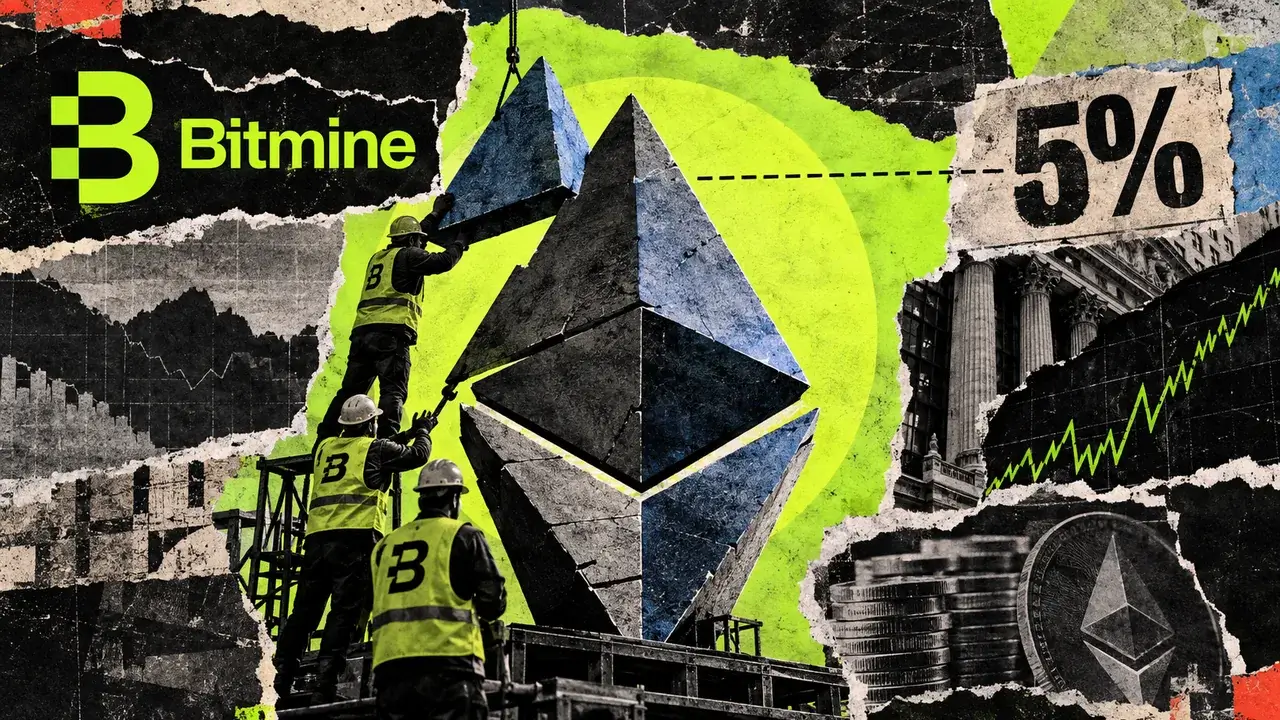
BitMine nears 5% Ethereum threshold, yet stock valuation rules dictate its next move
Ethereum treasury company BitMine Immersion Technologies said on Sept. 28 that it held 6,001,302 ETH, leaving it 103,698 tokens sh...

PUMP Crypto Surges +15%: Will Pump.Fun Explosion Boost SOL?
PUMP crypto is trading at $0.0058, up nearly +15% overnight after a +60% move over the past two weeks. Daily trading volume has al...

Pokemon Crypto Case: Collector Faces Trial Over $55 Million Hack
U.S. indictment alleges two Uranium Finance crypto exploits moved through Tornado Cash before being used to buy Pokemon cards and...

Anthropic tokenized pre-IPO volume hits $643M, but liquidity test looms
Anthropic’s planned IPO could force a fast-growing crypto derivatives market to reconcile its synthetic valuation with Wall Street...

Soneium Brings K-Pop IP to Blockchain Ecosystem With Dayonedream
Sony-backed blockchain, Soneium, has partnered with entertainment firm Dayonedream to tokenize K-pop intellectual property and int...