Bitcoin’s quantum-resistant hard fork is inevitable — It’s the only chance to fix node incentives
Opinion by: Dr. Michael Tabone, senior economist for CointelegraphBitcoin (BTC) has long been hailed as unbreakable and untouchable, a digital stronghold against the forces of change. Bitcoin’s bedrock of security is fac...
Archive context
Older archive item. Useful for background and entity history, but not a fresh market-moving signal.

Opinion by: Dr. Michael Tabone, senior economist for Cointelegraph
Bitcoin (BTC) has long been hailed as unbreakable and untouchable, a digital stronghold against the forces of change. Bitcoin’s bedrock of security is facing its first true test with quantum computing, which should be addressed sooner rather than later. Its cryptographic armor will crack if not addressed, forcing the network to adapt or perish.
Bitcoin’s node count is growing, but incentives are still absentBitcoin’s full node network has grown over time, a sign of increasing adoption and a more robust infrastructure, but the core issue remains. The voluntary act of running a node still has no financial incentive. Miners earn rewards for securing the network, yet full node operators get nothing for their role in keeping Bitcoin decentralized.
At the same time, a significant portion of these nodes are run by exchanges, custodians and large mining pools. These are centralized entities with financial incentives to maintain control. Suppose Bitcoin’s node network continues to expand without proper incentives. In that case, the risk remains that validation will become increasingly dependent on a few well-funded players rather than a truly distributed base of individual users (see Figure 1).
FBitcoin node operation has increased by only 15,605 in 8 years. Source: Bitnodes.io
All of this comes as running a Bitcoin node has never been easier. Plug-and-play solutions like Umbrel, Start9, RaspiBlitz, Cubit and Ronin Dojo allow anyone to set up a full node on low-cost hardware with minimal technical knowledge. These tools have lowered the barrier to entry, making node operation more accessible than ever before.
Yet adoption remains stagnant. Despite the ease of setup, most Bitcoin users still do not run their own nodes. The reason is simple: There is no financial incentive to do so.
Recent: Decentralization is in danger — We can fix it
Unlike miners, who earn block subsidies and transaction fees for securing the network, full node operators receive nothing. They validate transactions, enforce consensus rules, and contribute to Bitcoin’s decentralization, yet their efforts go unrewarded. As a result, node operation remains an ideological commitment rather than an economically viable activity.
Critics of the proposal argue that Bitcoin’s monetary policy should remain untouched. Others warn that introducing full node incentives could lead to Sybil attacks, where bad actors spin up thousands of fake nodes to exploit rewards. These concerns are valid — but they ignore the larger reality.
Bitcoin is on the path toward a forced consensus change. The honest debate is not whether Bitcoin should change but whether we will use this moment to strengthen it. If full Bitcoin node incentives are implemented correctly, they could drive a surge in node adoption, strengthening the network’s censorship resistance and reinforcing its decentralization. This would reduce dependence on large mining pools and exchanges for validation, spreading control more evenly among individual participants. Bitcoiners will have to continue pushing to keep Bitcoin resilient against corporate influence in a post-quantum world where security and decentralization will matter more than ever in the years ahead.
Poorly designed incentives could introduce risks, particularly Sybil attacks, where bad actors spin up thousands of fake nodes to exploit rewards. These challenges can be solved with the right Sybil resistance mechanisms in place. Ignoring them entirely would be far riskier than addressing them head-on.
Source: Michael Tabone
Bitcoin’s future depends on this momentBitcoin’s greatest strength is its ability to remain decentralized and censorship-resistant. But that strength is not automatic; it requires an infrastructure that encourages broad participation.
The quantum-resistant hard fork will be a once-in-a-generation event. We may not get another chance if we fail to use it to fix Bitcoin’s broken incentive structure. Bitcoin’s future depends on getting this moment right.
This conversation should continue, but you should have some skin in the game and run a node yourself first.
Opinion by: Dr. Michael Tabone, senior economist for Cointelegraph.
This article is for general information purposes and is not intended to be and should not be taken as legal or investment advice. The views, thoughts, and opinions expressed here are the author’s alone and do not necessarily reflect or represent the views and opinions of Cointelegraph.
Why this matters
This bitcoin story adds another data point to the current market tape and is useful when read alongside nearby source coverage.
Original source
Read on CointelegraphRelated market context
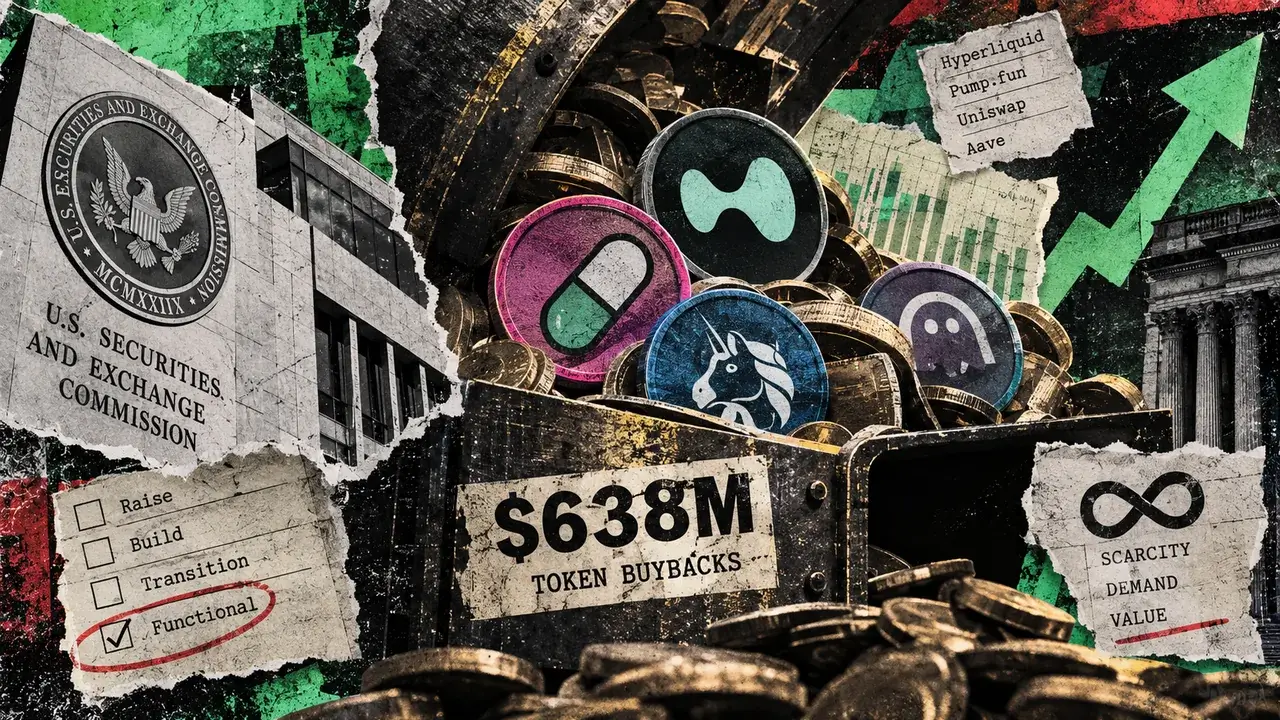
SEC clears regulatory hurdle as crypto token buybacks hit record $638 million
Crypto projects spent about $638 million with token buybacks through late August 2026, according to Allium Labs data. That is alre...

The Clearing House Picks Quant For US Tokenized Deposit Network
The Clearing House has selected Quant to provide the interoperability and transaction-management layer for its On-Chain Money Init...
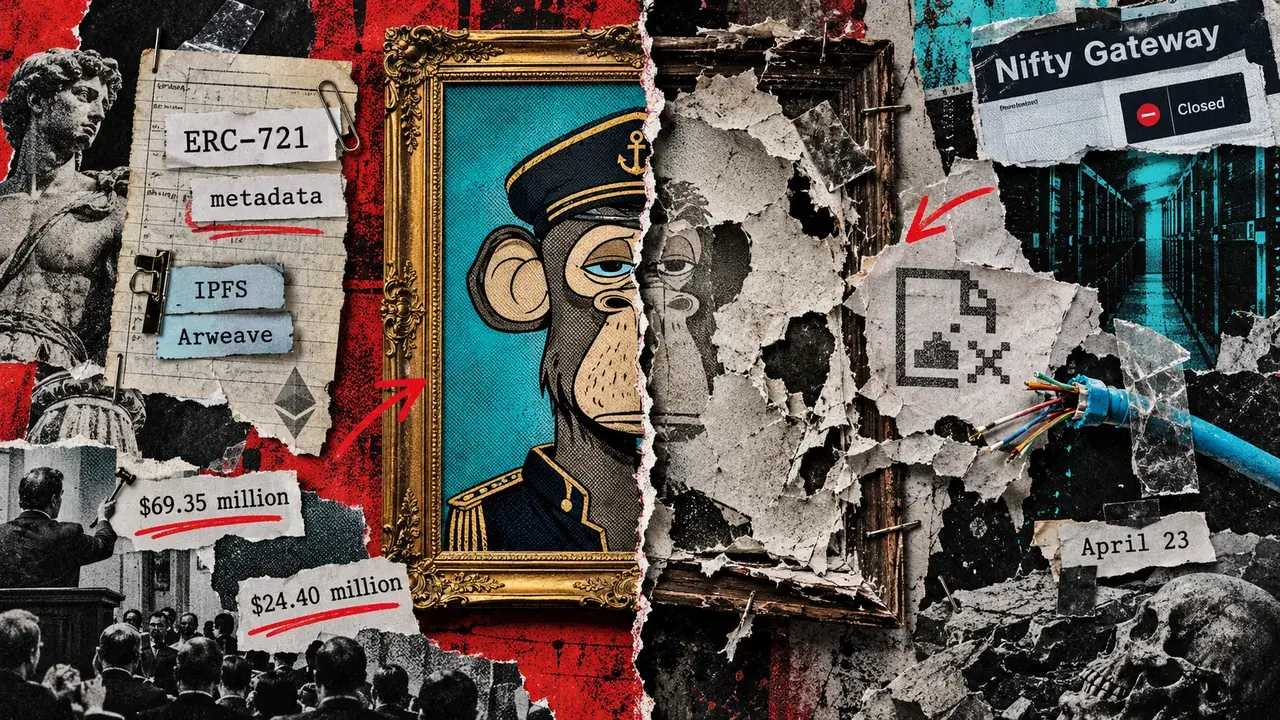
The NFT party is over and everybody now owes storage rent
In 2021, Christie's sold a Beeple NFT for $69.35 million, and Sotheby's took another $24.40 million for 101 Bored Ape Yacht Club N...

Ripple CEO Brad Garlinghouse Says XRP and Solana Can Both Thrive in Crypto’s Next 5 Years
Garlinghouse’s comments have resurfaced as XRP and Solana both trade near important technical levels following recent gains. “I’m...

Fed proposed stablecoin rule could trigger a 48-hour liquidation run
The Federal Reserve's proposed rules for the payment stablecoin issuers it supervises include a crisis clock measured in hours. An...
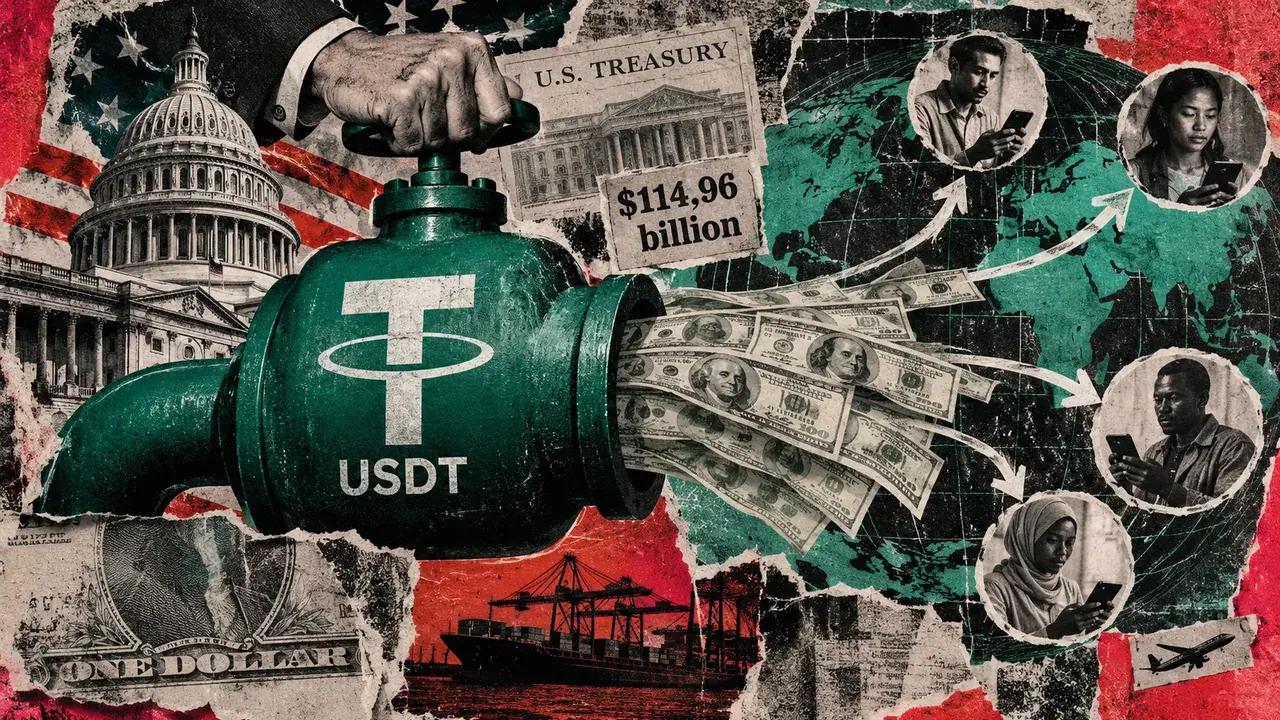
Washington has $114 billion reasons to want Tether around
Not that long ago, Washington fined Tether for misleading people about the dollars behind its tokens. Today, the company's insatia...