Bitcoin's Resilience in the Face of Challenges: Lessons from Recent Events
The cryptocurrency sector is sometimes fraught with upheaval, yet maybe no digital asset exemplifies resilience more than Bitcoin. Bitcoin has encountered various hurdles throughout its existence, ranging from regulatory...
Archive context
Older archive item. Useful for background and entity history, but not a fresh market-moving signal.

The cryptocurrency sector is sometimes fraught with upheaval, yet maybe no digital asset exemplifies resilience more than Bitcoin. Bitcoin has encountered various hurdles throughout its existence, ranging from regulatory scrutiny to market crashes, yet it has continually survived these storms and emerged stronger. In this article, we look at recent events that put Bitcoin to the test and extract useful lessons for investors, enthusiasts, and the broader financial industry.
A Brief History of Bitcoin
Bitcoin, created in 2008 in a whitepaper by an unnamed entity known as Satoshi Nakamoto, was launched to the world as the first decentralized cryptocurrency in 2009. Many people were captivated by its revolutionary use of blockchain technology and the promise of a borderless, censorship-resistant, and decentralized money.
Bitcoin's price has fluctuated dramatically throughout the years, owing to market sentiment, technological advancements, and macroeconomic considerations. It has gone through several market cycles, each with its own set of obstacles and possibilities.
Recent Events Put Resilience to the Test
Regulatory Difficulties
Governments and regulatory agencies around the world have been debating how to classify and regulate cryptocurrencies in recent years. Increased inspection was prompted by concerns about money laundering, fraud, and consumer protection. Because Bitcoin is the most prominent cryptocurrency, it has found itself at the center of these debates.
Learning Experience
Bitcoin's decentralized nature and broad user base have made it resistant to regulatory scrutiny. The lessons presented center on the significance of compliance, openness, and interaction with regulatory bodies. Long-term sustainability requires collaboration between the cryptocurrency sector and policymakers.
Volatility and Market Corrections
The price of Bitcoin has seen tremendous swings, with high volatility becoming a defining feature. Market corrections, in which prices fall after making significant advances, have occurred several times. These occurrences can upset investor confidence and put long-term investors to the test.
Lesson Learned
Bitcoin's resiliency in the face of volatility emphasizes the significance of maintaining a long-term view. Investors who survived previous price declines frequently benefited from later price recovery. Risk management and diversification are critical techniques for handling the price volatility of Bitcoin.
Security Breach
While Bitcoin's blockchain technology is extremely secure, third-party services such as exchanges and wallets have been subject to security breaches and hacks. Large amounts of Bitcoin have been stolen as a result of these instances.
Protecting Bitcoin holdings necessitates a proactive approach to security. It is critical to use secure wallets, hardware wallets, and follow best practices for protecting private keys. It is also critical to exercise caution while selecting cryptocurrency service providers.
Macro Events and Economic Uncertainty
Bitcoin has acquired popularity as a digital gold store, particularly during times of economic uncertainty. Events like as the COVID-19 epidemic and inflation fears have added to Bitcoin's allure as a hedge against traditional financial insecurity.
Lesson Learned: Bitcoin's resiliency in the face of macroeconomic events highlights the currency's potential position in diversified investment portfolios. While its connection with traditional assets is still being debated, its lack of correlation during crises shows its significance as a potential hedge.
Technological Advancements
The underlying technology of Bitcoin has evolved over time. Scalability difficulties have been addressed by innovations such as the Lightning Network, which has improved transaction efficiency. These advancements demonstrate Bitcoin's versatility and dedication to continuous progress.
The willingness of Bitcoin to adapt and embrace technological innovations is critical to its continued relevance. To address scalability, security, and usability issues, the cryptocurrency sector must stay agile and responsive.
Growing Institutional Interest
Institutional investors and corporations are beginning to see Bitcoin as a viable asset class. Companies such as Tesla and Square have devoted considerable amounts of their treasuries to Bitcoin, indicating the currency's rising acceptance in mainstream banking.
The acceptance of Bitcoin by institutions demonstrates its development as an asset. Institutional participation can help to stabilize and liquidate the market. Investors should keep an eye on institutional developments because they have the potential to greatly influence Bitcoin's direction.
Why Decentralization Matters: Crypto Companies Consider Leaving the US Amid Regulatory Crackdown
In response to increasing regulatory scrutiny in the United States, particularly on cryptocurrency exchanges, many American crypto companies are exploring international expansion or even relocating their operations abroad. This shift comes as the U.S. has become one of the most stringent cryptocurrency regulators globally, with several recent enforcement actions by the SEC and other agencies.
6 key points on this evolving landscape:
- Regulatory crackdown: Recent law enforcement actions and regulatory crackdowns have made the U.S. a challenging environment for crypto companies. The SEC filed a lawsuit against Coinbase, alleging that it marketed securities without proper registration. Binance, an international crypto exchange, was also sued by the SEC, leading to its founder being banned from the U.S. securities market.
- Changing industry sentiment: The crypto industry, once seen as a decentralized system beyond government control, has increasingly sought legitimacy through cooperation with regulators. However, these efforts have often failed to meet regulators' expectations.
- International expansion: Many American crypto firms are considering expanding into international markets or relocating entirely. Locations such as the Cayman Islands, London, Bermuda, Hong Kong, and Dubai are being explored.
- Mining companies flocking to the U.S.: In contrast, companies specializing in Bitcoin mining, which requires significant energy resources, are attracted to the U.S. due to its access to cheap electricity.
- Ongoing tensions and Coinbase’s role: Tensions between the crypto industry and U.S. regulators have been escalating since Gary Gensler, a crypto critic, became SEC Chairman. Disagreements over classifying cryptocurrencies as securities and disclosure requirements have fueled this tension. Coinbase, the largest U.S. crypto company, has been at the center of the regulatory debate. Despite its efforts to cooperate with regulators, it has repeatedly faced challenges from federal regulators. Coinbase has started expanding its international presence, opening an exchange in Bermuda. This move allows foreign users to engage in high-risk trades prohibited in the U.S.
- Startup opportunity: Smaller crypto startups find international relocation more appealing, offering flexibility and a potentially friendlier regulatory environment.
While the crypto industry continues to navigate regulatory challenges, it remains to be seen how companies will balance their global ambitions with the evolving regulatory landscape in the United States.
Environmental Concerns
The energy usage and carbon footprint of Bitcoin have been debated and criticized. Concerns about its environmental impact have sparked debate over the long-term viability of its mining operations.
The response of Bitcoin to environmental concerns will be critical to its long-term existence. These concerns can be addressed through innovations in energy-efficient mining and increased utilization of renewable energy sources. Bitcoin's future depends on sustainability and responsible mining operations.
Bitcoin's Future: A Resilient Journey Continues
Bitcoin's tenacity in the face of a slew of problems indicates both its continuing popularity and the strength of decentralized digital assets. While it may encounter new challenges in the future, the lessons acquired from its previous experiences can help investors and the greater cryptocurrency sector.
As Bitcoin progresses, it will very certainly remain a symbol of innovation, decentralization, and financial sovereignty. Its tenacity in the face of hardship demonstrates the power of blockchain technology and decentralized currencies to reshape the financial world. As they negotiate the ever-changing world of Bitcoin and cryptocurrencies, investors and fans alike must be cautious, adaptive, and knowledgeable.
This article was written by Pedro Ferreira at www.financemagnates.com.Why this matters
This bitcoin story adds another data point to the current market tape and is useful when read alongside nearby source coverage.
Original source
Read on Finance MagnatesRelated market context

ESMA and National Regulators Scrutinize Binance’s Reliance on ‘Reverse Solicitation’ Exemption in the EU, FT Reports
The European Securities and Markets Authority (ESMA) and national regulators in France, Germany and Greece are questioning Binance...

Coinbase Faces Hack Cover-Up Allegations as Customers Claim Huge Losses
A public dispute over how Coinbase handles customers who say they lost funds on the exchange has grown over the past week on X, dr...
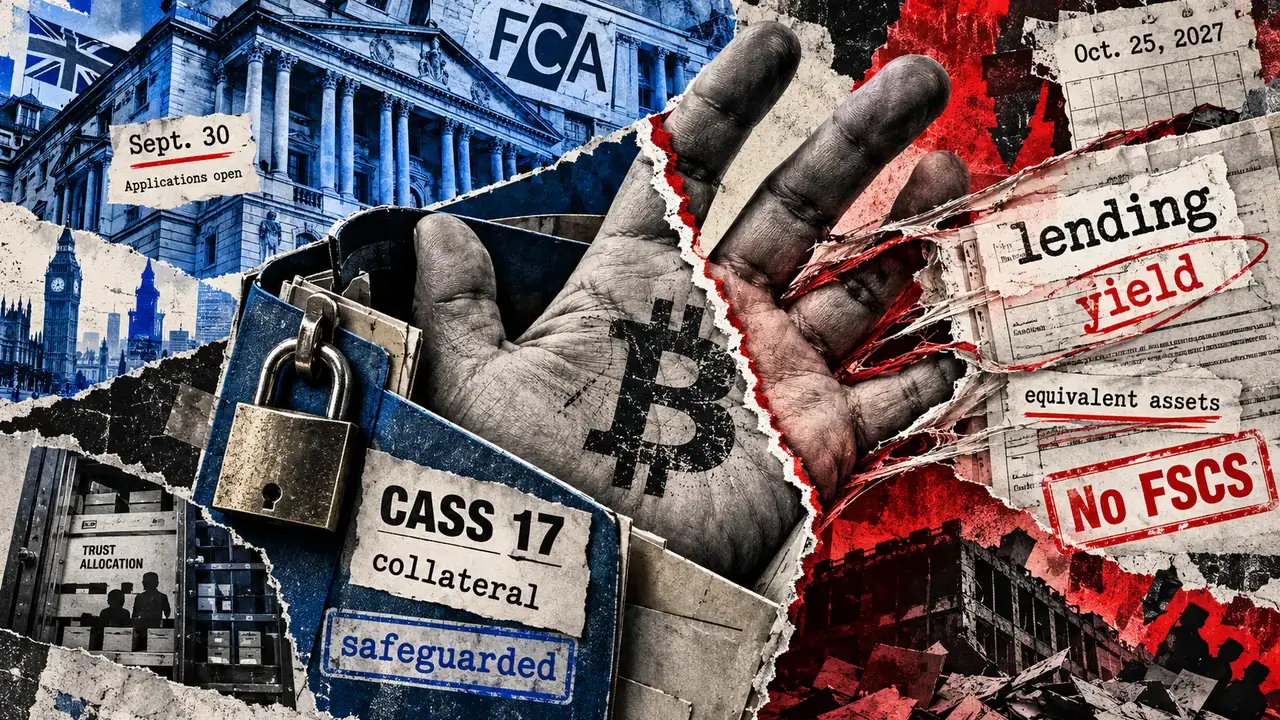
UK’s 2027 crypto rules let firms remove trust protection from Bitcoin lent for yield
UK crypto firms can now apply for authorization as of Sept. 30, bringing Bitcoin holders closer to a rulebook that will treat coin...

CFTC secures $31M court order against digital asset fraud scheme that duped 14,000 investors
The case underscores the critical need for regulatory vigilance and investor due diligence in preventing and mitigating digital as...
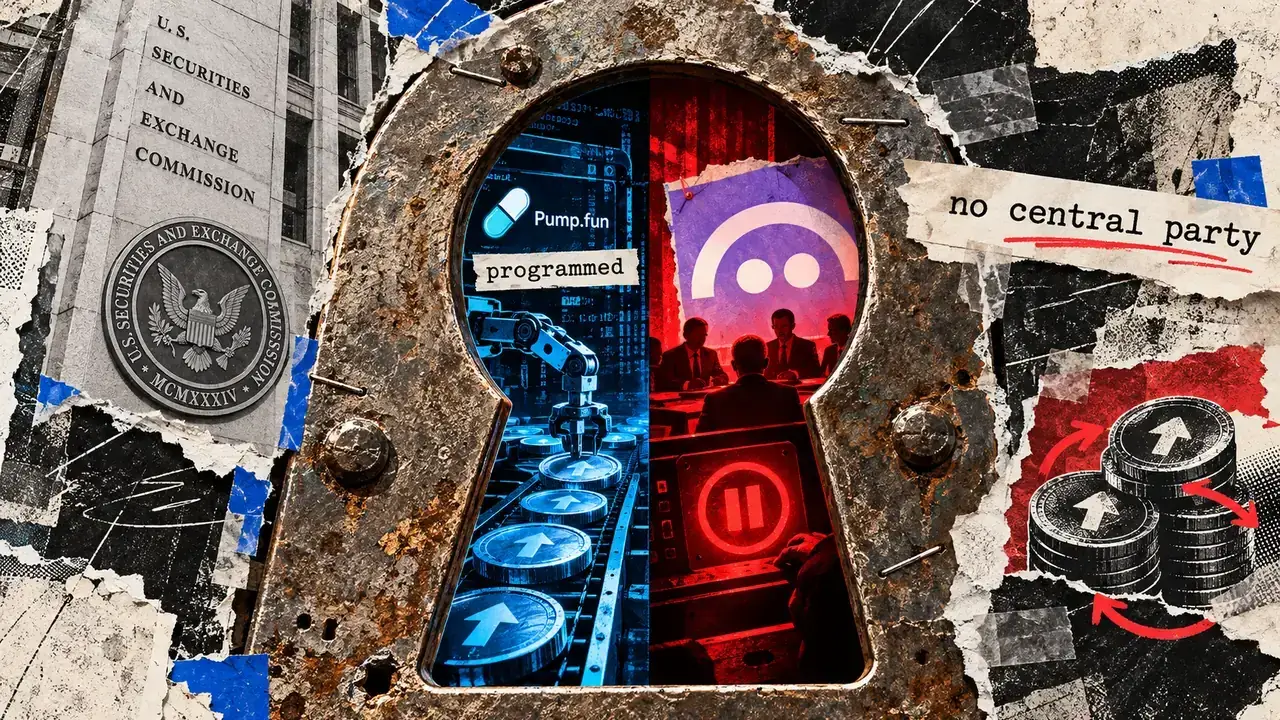
SEC changes token buyback guidance as spending hits $638M
The US Securities and Exchange Commission tightened its guidance for crypto token buybacks just three days after publishing it. On...

MEXC adds another 1,000 BTC to Guardian Fund, strengthening user protection
Mutsamudu, Comoros, October 1, 2026 – MEXC, a pioneer in 0-fee digital asset trading, today announced the addition of another 1,00...