Block Inc Survey Addresses Misconceptions About Bitcoin: Report
In partnership with Wakefield Research, Block Inc released a survey of 9,500 respondents discussing misconceptions surrounding bitcoin.Block partnered with Wakefield Research to address misconceptions surrounding Bitcoin...
Archive context
Older archive item. Useful for background and entity history, but not a fresh market-moving signal.
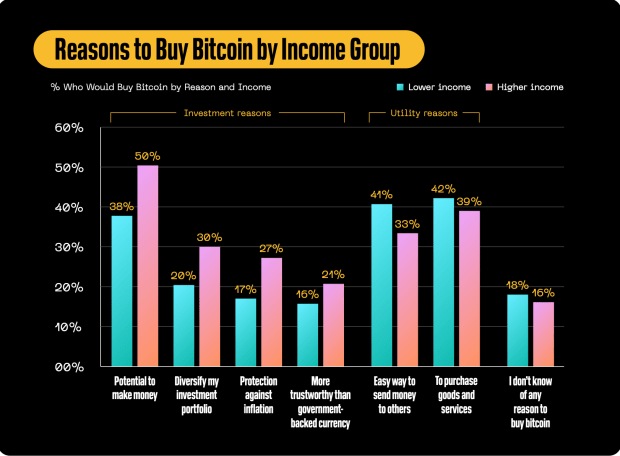
In partnership with Wakefield Research, Block Inc released a survey of 9,500 respondents discussing misconceptions surrounding bitcoin.
- Block partnered with Wakefield Research to address misconceptions surrounding Bitcoin.
- The survey included 9,500 respondents from varying age groups, genders and ethnicities from around the world.
- The data reveals something telling about the knowledge gaps in Bitcoin and what strengthens the network effect.
Block, a Bitcoin-oriented financial services firm previously known as Square, just released Bitcoin: Knowledge and Perception, a report detailing a survey of 9,500 participants conducted in partnership with Wakefield Research to address common misconceptions about Bitcoin.
One immediately noticeable trend uncovered in the survey addresses a simple question. Why should someone buy bitcoin?
One of the most common conceptions involving bitcoin is people just want to invest in it to make money. Block’s report states:
“People with below-average income more frequently note using bitcoin as a way to send money and buy goods and services than people with above-average incomes,” as noted in the graph below.
While 50% of higher income respondents cite the potential to make money as their reason for purchasing bitcoin, over 40% of low-income respondents prefer to use it to purchase goods and send money to others.The survey also found that knowledge of cryptocurrency largely dictates whether or not investors are interested in purchasing bitcoin. Over 40% of respondents who claimed a “fair to expert knowledge” level in the space noted they would likely purchase bitcoin within the next year showing a large amount of optimism.
“Interestingly, though, the optimism gap between high- and low-income respondents is the smallest in the Americas, and that optimism gap disappears completely if you remove those who say they don’t know anything about cryptocurrencies.” - Block“However, nearly a quarter of those who rate their knowledge of cryptocurrencies as ‘fair to expert’ remain skeptical of bitcoin’s future,” said the report.
Meanwhile, the report continues to explain that knowledge gaps are directly correlated to skepticism.
Knowledge of the broader cryptocurrency space shows a clear link to a respondent’s likelihood of purchasing bitcoin.Cyber security and theft risks only rank highly when one considers those with a low-level of understanding of bitcoin.
“Again, we see not knowing enough about bitcoin was far and away the most common reason not to buy it, but cybersecurity, price volatility, and an uncertain regulatory outlook are also commonly cited reasons,” according to the report.
However, the lack of knowledge in bitcoin does not equate to a lack of awareness. Far above the other cryptocurrencies, 88% of respondents have at least heard of bitcoin. Millennials came in at 92.5% while baby boomers surveyed at 89.2% awareness of bitcoin, but all age cohorts surveyed still showed a high degree of awareness. The gap in awareness to even the second-most recognized cryptocurrency is…noticeable.
Bitcoin holds a 2x lead in awareness to the second-most recognized cryptocurrency.Knowledge gaps are most prevalent in respondents who did not know someone who owned bitcoin. One of the largest takeaways from this survey is the clearly defined network effect. Of non-bitcoin owners who know someone that owns bitcoin, 73% said they are likely to buy bitcoin. However, only 37% of respondents who do not know someone who owns bitcoin said they will likely be purchasing bitcoin.
“Interestingly, though, the optimism gap between high- and low-income respondents is the smallest in the Americas, and that optimism gap disappears completely if you remove those who say they don’t know anything about cryptocurrencies.” - Block
Why this matters
This bitcoin story adds another data point to the current market tape and is useful when read alongside nearby source coverage.
Original source
Read on Bitcoin MagazineRelated market context

Chainlink And Swift Demo Automated Tokenized-Equity Dividends Across Four Blockchains
TL;DR Chainlink built a Swift Hackathon solution that automated a cash-dividend workflow for tokenized equities across four blockc...
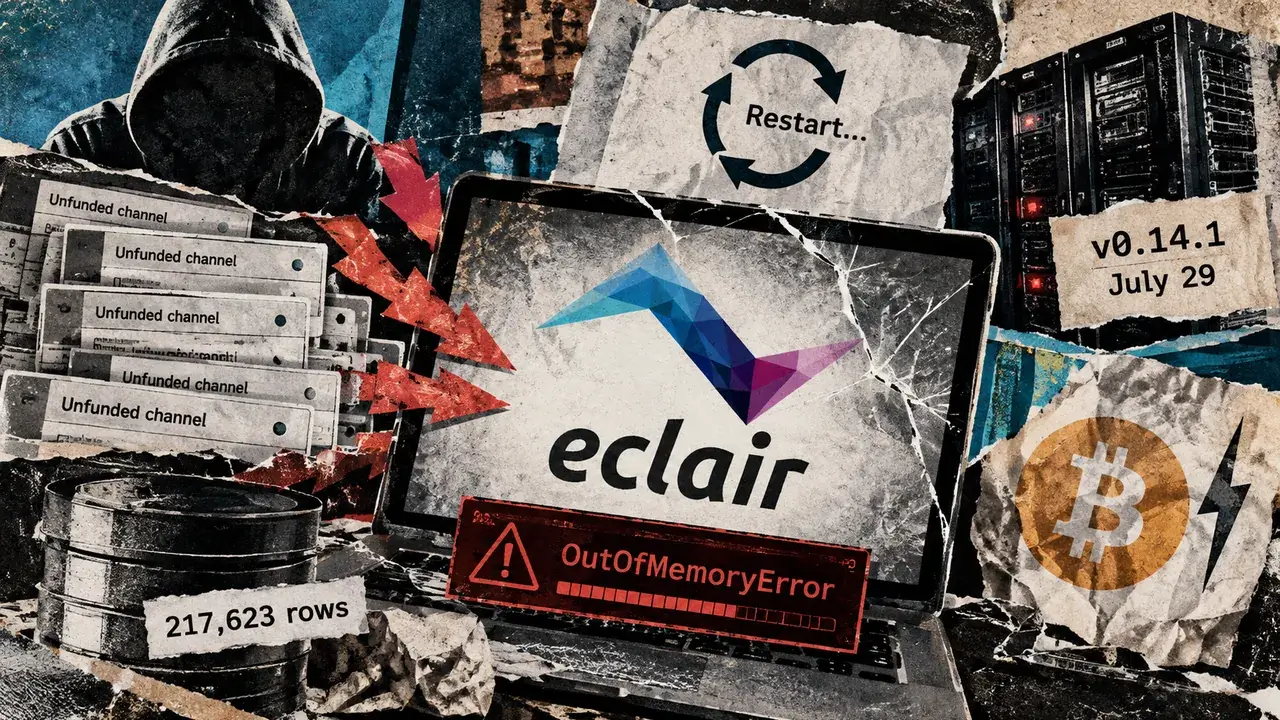
Unpatched Eclair Bitcoin Lightning nodes could crash again every time they restart
A newly disclosed unfunded-channel flaw could leave Eclair, a Bitcoin Lightning implementation, crashing repeatedly without an att...

RWA Foundation counts 717 stablecoin deployments in its latest quarterly report
The fragmentation of stablecoin deployments across multiple blockchains highlights the growing need for improved cross-chain liqui...
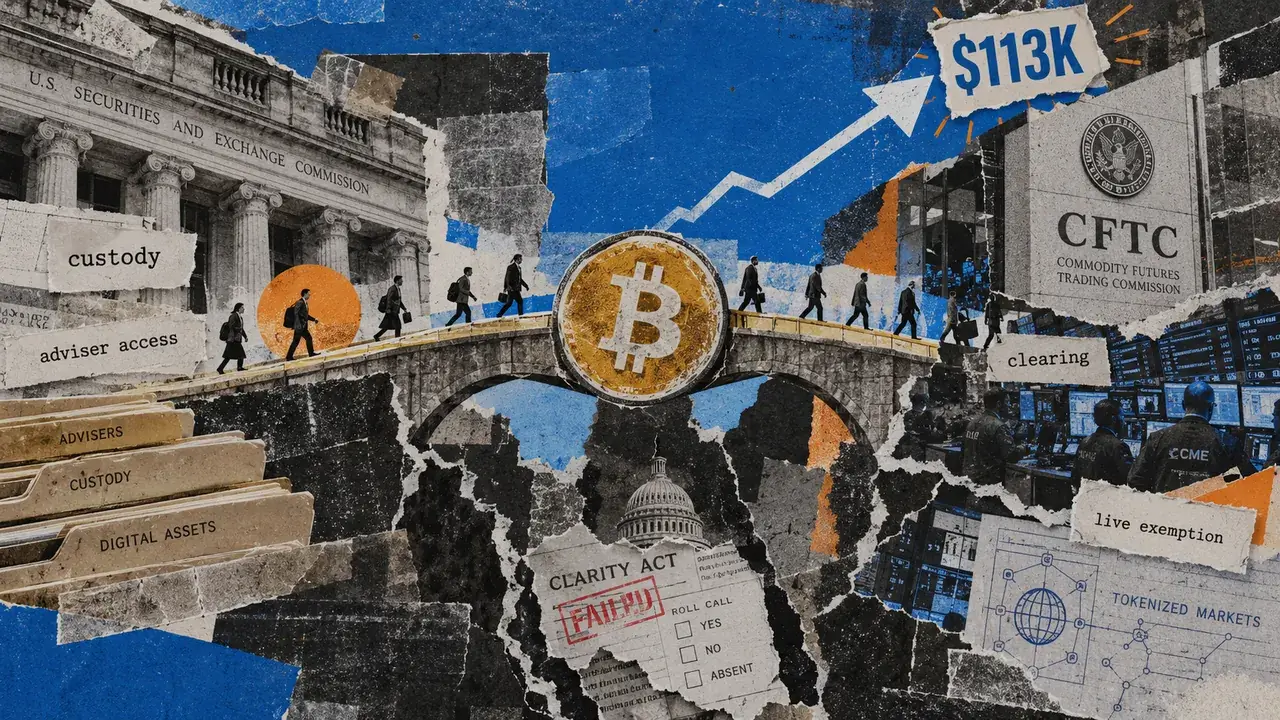
Bitcoin’s $113,000 case strengthens as US regulators push 9 crypto actions
The US Securities and Exchange Commission (SEC) proposed a custody framework on Oct. 1 that would let investment advisers and regu...

Fiserv Puts Stablecoin Banking Platform Live With North Dakota Roughrider Coin
TL;DR Fiserv says its digital-asset platform is now live with financial-institution clients. Bank of North Dakota’s dollar-backed...

Frank Holmes: They Will Print $100 Trillion – Why to Buy Bitcoin & Gold
Bitcoin Magazine Frank Holmes: They Will Print $100 Trillion – Why to Buy Bitcoin & Gold Bitcoin miners already have the power, th...