Blockstream's Core Lightning Integrates Splicing Feature
Blockstream has introduced the 'Splicing' feature in its Core Lightning implementation, enabling liquidity changes to Lightning channels, according to a press release sent to Bitcoin Magazine. This comes on the heels of...
Archive context
Older archive item. Useful for background and entity history, but not a fresh market-moving signal.
Blockstream has introduced the 'Splicing' feature in its Core Lightning implementation, enabling liquidity changes to Lightning channels, according to a press release sent to Bitcoin Magazine. This comes on the heels of ACINQ's implementation of Splicing last month, where users of 'Eclair' experienced a 60% decrease in Lightning transaction fees.
Splicing is expected to tackle a persistent challenge within the Lightning network—liquidity constraints. These constraints have long been cited as a barrier to widespread adoption, impeding the seamless flow of transactions. With Splicing, Blockstream aims to alleviate these liquidity challenges, ultimately leading to more affordable and reliable transactions for Lightning users.
Lisa Neigut, developer at Blockstream, emphasized the significance of this feature, stating, "One of the biggest pain points for Lightning users is unreliable transaction throughput—channel liquidity constraints are a big part of the equation there. Splicing is an incredible new tool for alleviating liquidity constraints, which should result in making transactions significantly cheaper and more reliable for users."
Splicing also has a notable impact on the concept of "unified wallets." Traditionally, users have had to manage separate Bitcoin and Lightning balances, creating unnecessary complexity. With the introduction of Splicing, these balances can be merged seamlessly, rendering the distinction between Bitcoin and Lightning balances largely inconsequential for everyday users.
Dusty Daemon, lead Splicing contributor, highlighted the user-centric approach behind this feature: "The goal is to make wallets ‘just work’ instead of users having to bear the brunt of managing different account balances for different protocols. In the future, everyday users won’t need to understand the difference between Lightning and Bitcoin—these protocols will simply be ‘spliced’ together on the backend."
Dusty Daemon developed Splicing, collaborating closely with Blockstream's Lisa Neigut and Rusty Russell, as well as ACINQ's CTO Bastien Teinturier. Daemon's work on this feature has been funded through private grants, including a recent contribution from OpenSats, a Bitcoin non-profit organization partially backed by Jack Dorsey.
As Blockstream's Core Lightning implementation introduces Splicing, the Lightning network stands at the threshold of a new era of enhanced efficiency, reduced fees, and simplified user experiences. With this upgrade, the gap between Lightning and Bitcoin protocols is poised to narrow, driving the Bitcoin ecosystem closer to its vision of seamless, user-friendly transactions.
Why this matters
This bitcoin story adds another data point to the current market tape and is useful when read alongside nearby source coverage.
Original source
Read on Bitcoin MagazineRelated market context
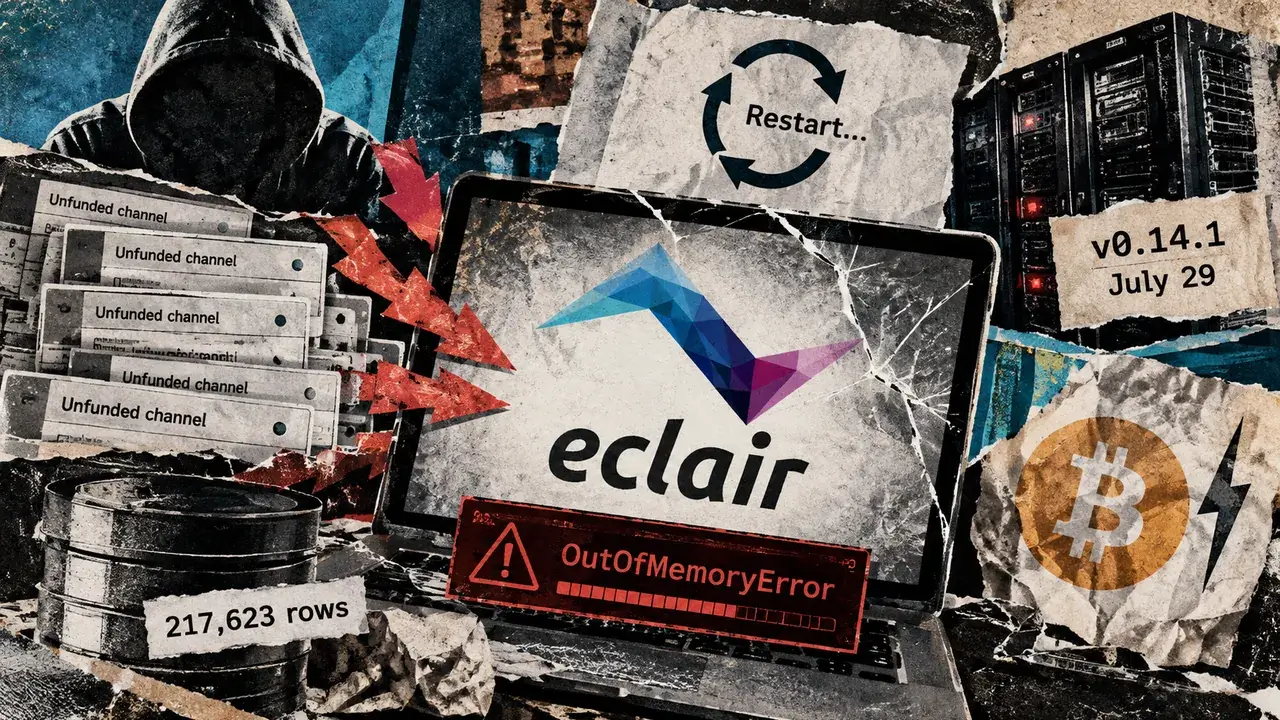
Unpatched Eclair Bitcoin Lightning nodes could crash again every time they restart
A newly disclosed unfunded-channel flaw could leave Eclair, a Bitcoin Lightning implementation, crashing repeatedly without an att...

Solana Perps Exchange Drift Opens Recovery Token Claims for Users Who Lost Over $290 Million
The Drift Foundation opened claims and redemptions on Thursday for DFX, a Solana token issued to users of the perpetuals exchange...

QNT Reaches Solana Liquidity Through Sunrise And Raydium
TL;DR Quant’s QNT token is now available on Solana through Sunrise infrastructure, with trading available through Raydium. The exp...

Bitcoin Core Dev Peter Todd to Oversee MARA’s Private Mempool Service
Veteran Bitcoin Core contributor Peter Todd has joined the MARA Foundation as lead maintainer of Slipstream, the organization’s pr...
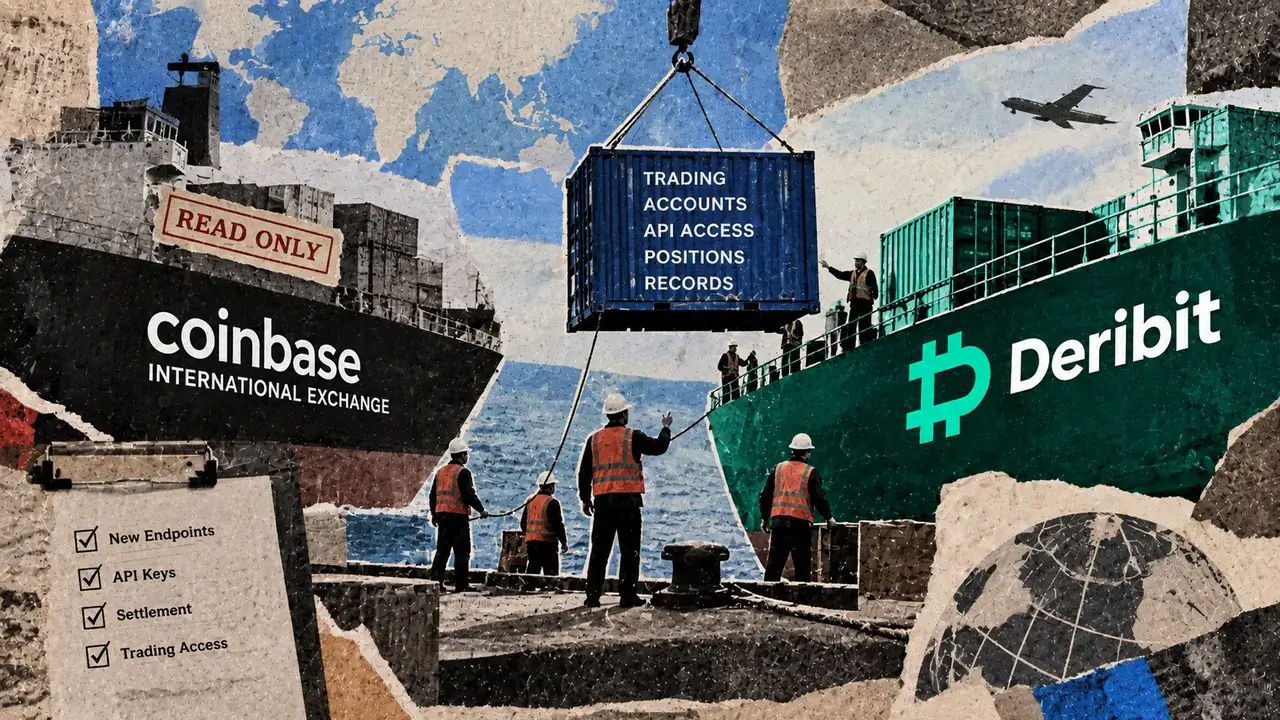
Coinbase completes Deribit switch, ending International Exchange trading
Coinbase completed the migration of Coinbase International Exchange to Deribit on Oct. 1, ending trading on its former internation...
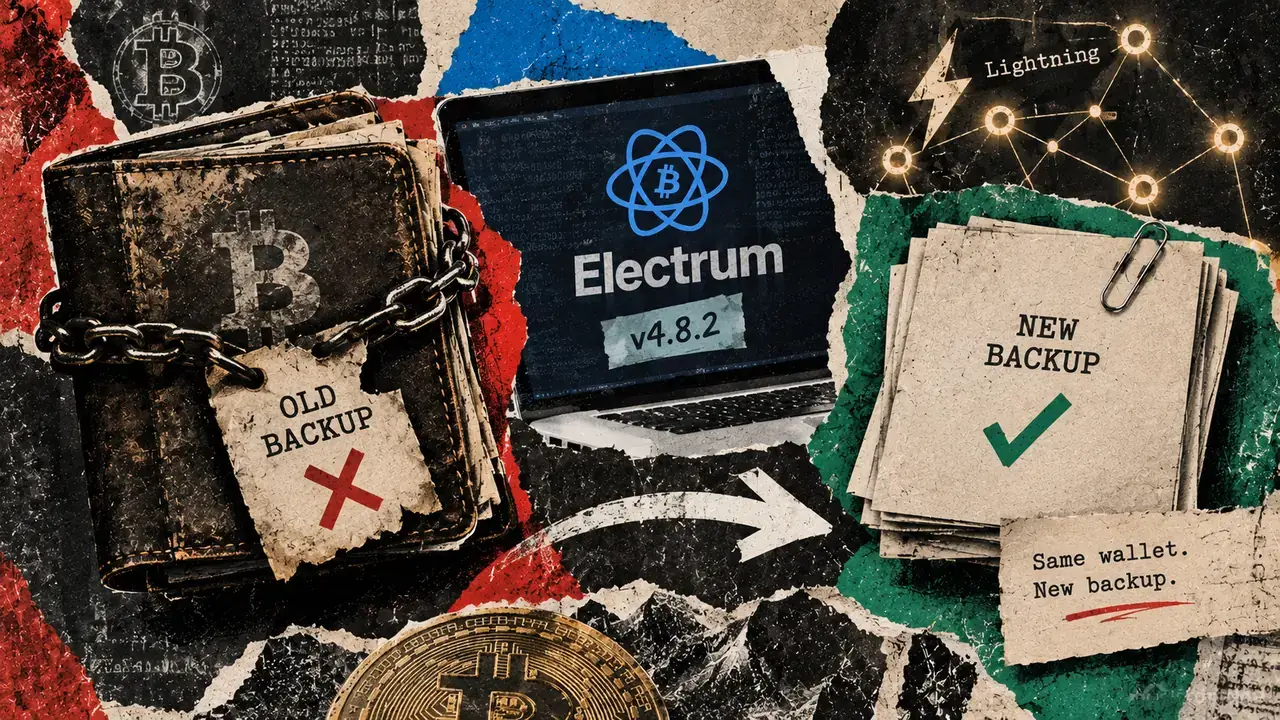
Electrum patches Lightning flaw, but old Bitcoin backups break
Electrum’s latest security update fixes a Lightning backup defect, but some Bitcoin wallet users still need to replace saved backu...