Check Bitcoin ATM Limit by Country: 2026 Guide
The use of Bitcoin ATMs continues to expand globally as a convenient option for buying and selling cryptocurrency. Limits and rules regarding the amounts vary from country to country. This 2026 guide outlines current pri...
Archive context
Older archive item. Useful for background and entity history, but not a fresh market-moving signal.
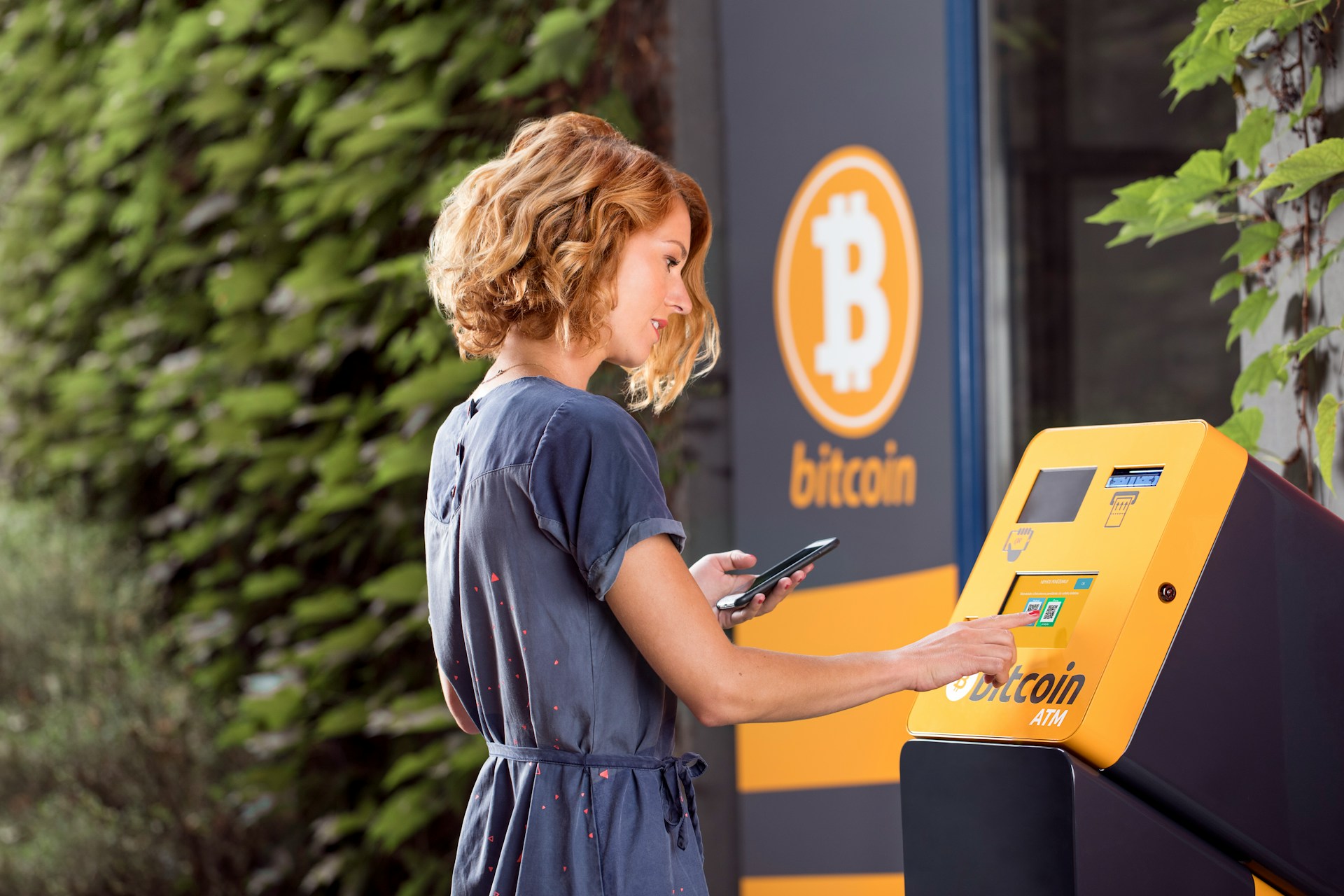
The use of Bitcoin ATMs continues to expand globally as a convenient option for buying and selling cryptocurrency. Limits and rules regarding the amounts vary from country to country. This 2026 guide outlines current prices, limits, and regulatory rules. Whether you are traveling, looking for limits, or want to buy Bitcoin from an ATM for the first time, this guide summarizes key information in one resource.
How the Bitcoin ATM WorksBitcoin ATMs allow users to buy or sell Bitcoin with cash or a debit card. A one-way machine only sells coins, while a two-way machine both sells and buys them. The user scans a wallet QR code or lets the machine create one, inserts cash, and confirms the amount.
Some newer models include built-in Know-Your-Customer checks, such as ID scanning and phone verification. The machines may also perform facial-matching verification to confirm identity. In certain cases, the verification process may also require a proof of address to be submitted. Operators require these steps to comply with national anti-money-laundering regulations.
It is important to note that users are charged for using Bitcoin ATMs. The fees typically range from 6% to 12%. These fees are charged over and above the rates of online exchanges. The fees are necessary because ATMs cost money to run and remain compliant. For first-time users may benefit from reviewing this step-by-step guide before completing a transaction.
Bitcoin ATM Limits by CountryThe table below summarizes typical daily limits for Bitcoin ATM use in various countries. We also show which regulations need to be complied with to transact at the ATM. It is important to note that daily limits may vary depending on the operator.
Table 1: Verified 2026 Bitcoin ATM Daily Limits by Country
Country Daily Limit KYC Requirement 🇺🇸 USA 3,000-10,000 USD ID scan, phone number; SSN for higher tiers 🇨🇦 Canada 3,000-10,000 USD ID required for higher tiers 🇩🇪 Germany 1,000-10,000 EUR Full KYC required; BaFin oversight 🇦🇺 Australia 4,000-8,000 AUD Verified ID required 🇫🇷 France 1,000-10,000 USD eq. ID / KYC for higher amounts 🇪🇸 Spain 1,000-8,000 USD eq. ID verification 🇮🇹 Italy 1,000-7,000 USD eq. ID verification 🇯🇵 Japan 900-5,000 USD eq. Very strict KYC; licensing required 🇸🇬 Singapore 3,700 USD (SGD 5,000) Full KYC/licensing regime 🇧🇷 Brazil 1,000-6,000 USD eq. ID verification 🇰🇷 South Korea 1,000-5,000 USD eq. Full KYC/licensing 🇲🇽 Mexico 500-2,000 USD eq. Varied ID requirements 🇦🇷 Argentina 500-2,000 USD eq. ID verification recommended 🇦🇹 Austria 1,000-10,000 USD eq. ID verification 🇨🇭 Switzerland 1,000-10,000 USD eq. ID verification 🇳🇱 Netherlands 1,000-10,000 USD eq. ID verification 🇧🇪 Belgium 1,000-8,000 USD eq. ID verification 🇸🇪 Sweden 1,000-7,000 USD eq. ID verification 🇳🇴 Norway 1,000-7,000 USD eq. ID verification 🇩🇰 Denmark 1,000-7,000 USD eq. ID verification 🇫🇮 Finland 1,000-7,000 USD eq. ID verification 🇳🇿 New Zealand 1,000-5,000 USD eq. ID verification 🇦🇪 UAE 1,000-8,000 USD eq. ID verification/licensing 🇸🇦 Saudi Arabia 1,000-5,000 USD eq. ID verification/licensing 🇮🇳 India 500-2,000 USD eq. ID verification/licensing 🇿🇦 South Africa 1,000-2,000 USD eq. ID verification 🇰🇪 Kenya 500-2,000 USD eq. ID verification 🇳🇬 Nigeria 500-2,000 USD eq. ID verificationThese ranges represent general estimates and may vary by operator and specific regulatory requirements.
Regional Regulations and KYC RulesBitcoin ATMs must follow regulations for each of the countries in which they are found. Additionally, the ATMs and operators need to abide by various Know-Your-Customer laws. Each country has a different oversight body that regulates ATMs and operators. These bodies set what proof they want for the transaction and which licenses the ATM needs. They also determine how suspicious activity needs to be reported.
The big global bodies are:
FinCEN (USA)
Enforces strict AML requirements. Bitcoin ATM operators must register as Money Services Businesses (MSBs) and report high-value or suspicious transactions.
FCA (United Kingdom)
Regulates all crypto businesses. Unlicensed Bitcoin ATMs were removed in recent years, and only fully compliant machines can operate legally.
FINTRAC (Canada)
Requires ATM operators to register as money service businesses, maintain reporting procedures, and verify customer identities for larger transactions.
BaFin (Germany)
One of the strictest regimes. Operators must obtain a licence, follow full AML checks, and maintain transaction records.
AUSTRAC (Australia)
Ensures that ATM operators comply with AML/CTF laws and report suspicious transactions or large cash deposits.
MAS (Singapore)
Imposes a comprehensive licensing regime: operators must perform strong KYC checks and implement transaction monitoring.
FSA (Japan)
Requires all crypto ATM operators to register as virtual asset service providers, with strict identity verification standards.
These regulatory differences explain why Bitcoin ATM limits vary significantly between jurisdictions.
Tips for Safe Bitcoin ATM UseMaking sure you safely use a Bitcoin ATM is important. Here are a few tips to help keep yourself and your money safe:
- Avoid using machines located in poorly lit or unsecured areas.
- Always double-check the Bitcoin wallet address before confirming.
- Keep your private key, seed phrase, and recovery code secret.
- Save your transaction receipt and screenshot it for your bank proof.
- Begin with a small amount when trying a new machine type.
- Make sure you know the ID you need before doing big transactions.
- Know your local tax rules.
- Use ATMs operated by verified or regulated providers.
These steps can reduce the risk of transaction errors or exposure to scams.
FAQsWhich Bitcoin ATM has the highest limit?
Many Bitcoin ATM operators in the US are subject to strict regulatory requirements. Operators that meet regulatory standards may offer higher transaction limits, often in the $9,000 to $10,000 range. Some machines may offer higher limits if full KYC and enhanced verification procedures are completed.
How much does a Bitcoin ATM charge for $1,000?
Most Bitcoin ATMs charge fees between 6% and 12%, depending on the operator and location. For $1,000, you pay between $60 and $120 in fees.
Can I send $10,000 through a Bitcoin ATM?
In some regions, transactions of this size are permitted but typically require full identity verification. In the US, Canada, Germany, and parts of the EU, some locations let you send more than $10,000 with the right papers and reporting. In many other places, they stop transactions well below this to help avoid breaking AML rules.
Users can locate Bitcoin ATMs through directories such as CoinATMRadar or individual operator websites. These sites will also list fees and limits. These platforms allow users to compare limits across regions and locate nearby ATMs operated in accordance with local regulations. As the market for using Bitcoin ATMs grows in 2025, it is important to review local rules and to always choose verified operators. This can help make the Bitcoin ATM experience more straightforward.
DisclaimerPlease be advised that all information, including our ratings, advices and reviews, is for educational purposes only. Crypto investing carries high risks, and CryptoNinjas is not responsible for any losses incurred. Always do your own research and determine your risk tolerance level; it will help you make informed trading decisions.
The post Check Bitcoin ATM Limit by Country: 2026 Guide appeared first on CryptoNinjas.
Why this matters
Bitcoin is showing up inside the Regulation theme, so this story is worth tracking for follow-through rather than treating it as a one-off headline.
Original source
Read on CryptoNinjasRelated market context

Crypto Regulation: Firms Face AI Controls Before Dedicated Rules Arrive
In crypto regulation news, the rise of AI has led financial supervisors to shift from broad concern to concrete expectations for h...

Hyperliquid CEO Jeff Yan lays out a US compliance plan that regulates operators, not the chain
Yan's regulatory model could reshape blockchain compliance, aligning it with traditional finance oversight and potentially influen...
Australia’s Crypto Platforms Have Until 27 November to Mark ASIC’s Homework
Digital asset platforms in Australia will need an Australian financial services (AFS) licence, customer disclosure documents and p...

Australia sets July 2027 start for crypto transaction reporting to tax office
Australia's crypto reporting plan enhances tax compliance, reduces evasion, and aligns with global standards, impacting traders an...
Russia’s Central Bank Authorizes Sberbank to Exchange Cryptocurrencies
Bitcoin Magazine Russia’s Central Bank Authorizes Sberbank to Exchange Cryptocurrencies Russia’s central bank has added Sberbank t...

MSCI finalizes index rules that put Strategy, crypto treasury firms at risk of exclusion
MSCI's new non-operating company rules could exclude Strategy, Metaplanet and SharpLink. The final list of affected firms is due N...