Congolese Refugees Use Bitcoin To Build Grassroots Economy
After the eruption of Mount Nyiragongo volcano on 22 May 2021, a restaurant worker and a blogger teamed up in the city of Goma, Democratic Republic of Congo and taught displaced families how to use Bitcoin.After the erup...
Archive context
Older archive item. Useful for background and entity history, but not a fresh market-moving signal.
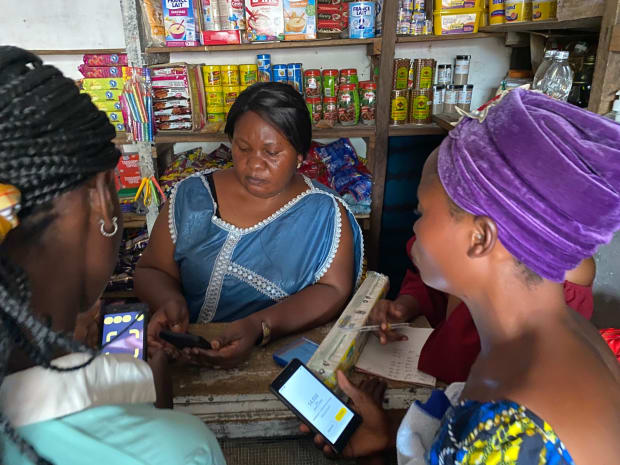
After the eruption of Mount Nyiragongo volcano on 22 May 2021, a restaurant worker and a blogger teamed up in the city of Goma, Democratic Republic of Congo and taught displaced families how to use Bitcoin.
After the eruption of Mount Nyiragongo volcano on 22 May 2021, a restaurant worker and a blogger teamed up in the city of Goma, Democratic Republic of Congo and taught displaced families how to use Bitcoin, TechCrunch reported.
Blogger Gloire Wanzavalere went to a refugee camp that popped up in Goma, offering to give Bitcoin to displaced families. Gloire told TechCrunch that he discovered most of the families had traded what few belongings they had managed to escape with, thus they did not have the paperwork required to open bank accounts or acquire phones.
“These people lost everything. I understood it was rational for them to sell what they had left in order to buy food,” Gloire told TechCrunch. “So we bought phones for eight people…twelve people benefited from our initiative, four among them already had their own smartphones.”
Wanzavalere was inspired by news of the Bitcoin Beach circular economy in El Salvador, which he evidenced as proof poor people can use Bitcoin.
“Coming to their aid with bitcoin was a more powerful act than any marketing campaign could be. That’s when we told ourselves, OK, we’re going to do this in Congo,” the blogger said.
Photo by Gloire WanzavalereGloire’s mother owns a small shop in Goma. She agreed to accept bitcoin using her mobile phone through apps like Wallet of Satoshi and Phoenix Wallet.
“Because she is very excited about the idea of helping people with bitcoin, she is considering the option of bringing a few essential goods closer to the refugees, so they can buy what they need without going too far into town. But it’s a complex question in part because of security concerns,” Wanzavalere said.
Juvin Kombi spent the past summer setting up the first Lightning Network node for Jikofood Restaurant, where he works. This allowed Jikofood to accept Bitcoin without high transaction fees nearly instantaneously. By September Kombi’s node was running, and the restaurant was accepting payments on the restaurant’s PC and sometimes employees own personal smartphones. Their preferred mobile wallet apps are Muun Wallet and Blue Wallet.
“The learning process was very long, but the minimum research we have done has helped us understand bitcoin without any support,” Kombi told TechCrunch. “We realized that it was easy to set up. A simple wallet and an internet connection are sufficient. In addition, we are studying the possibility of setting up BTCPay Server in the near future.”
Photo by Gloire WanzavalereAt the moment only a handful of the restaurant’s clients use itcoin, Kombi added, including the displaced people Gloire hired. But the staff hopes that the knowledge about Bitcoin as a method of savings and payment option will spread among the community. Jikofood even hosts educational Bitcoin workshops for customers.
Photo by Gloire Wanzavalere“The Congolese population is suffering greatly; it never had any stable currency except the U.S. dollar,” Gloire commented. “I am not a journalist. However, I started to write about bitcoin issues in Africa because there was a lack of information on the subject in French.”
As he wrote Gloire fundraised for this grassroots program by inviting Bitcoiners abroad to participate in a “Lightning Torch.” He would invite anyone online through a Tweet to join a chain of Lightning Network transactions by sharing an invoice and sending small amounts of bitcoin to pay it forward to the next invoice holder. Even Jack Dorsey, the CEO of Twitter participated, TechCrunch reported.
Photo by Gloire Wanzavalere“In total, 18 people contributed,” Gloire said. “In less than three hours, all the beneficiaries mastered it, learning how to receive and send money using a bitcoin wallet, which shows that in practice the Lightning Network isn’t that complicated to use.”
“We plan to raise more money to help an even larger part of the suffering population,” Gloire concluded. “The money collected by the torch event was meant to be distributed without anything in return. However, this is a long-term idea. Paying the refugees in bitcoin for freelance work could be a source of more community engagement.”
Gloire plans to teach the refugees how to run a lightning node, just like the Jikofood Restaurant, with hopes of expanding the local Goma Bitcoin economy, giving financial power back to small businesses, and banking the unbanked.
Why this matters
This bitcoin story adds another data point to the current market tape and is useful when read alongside nearby source coverage.
Original source
Read on Bitcoin MagazineRelated market context
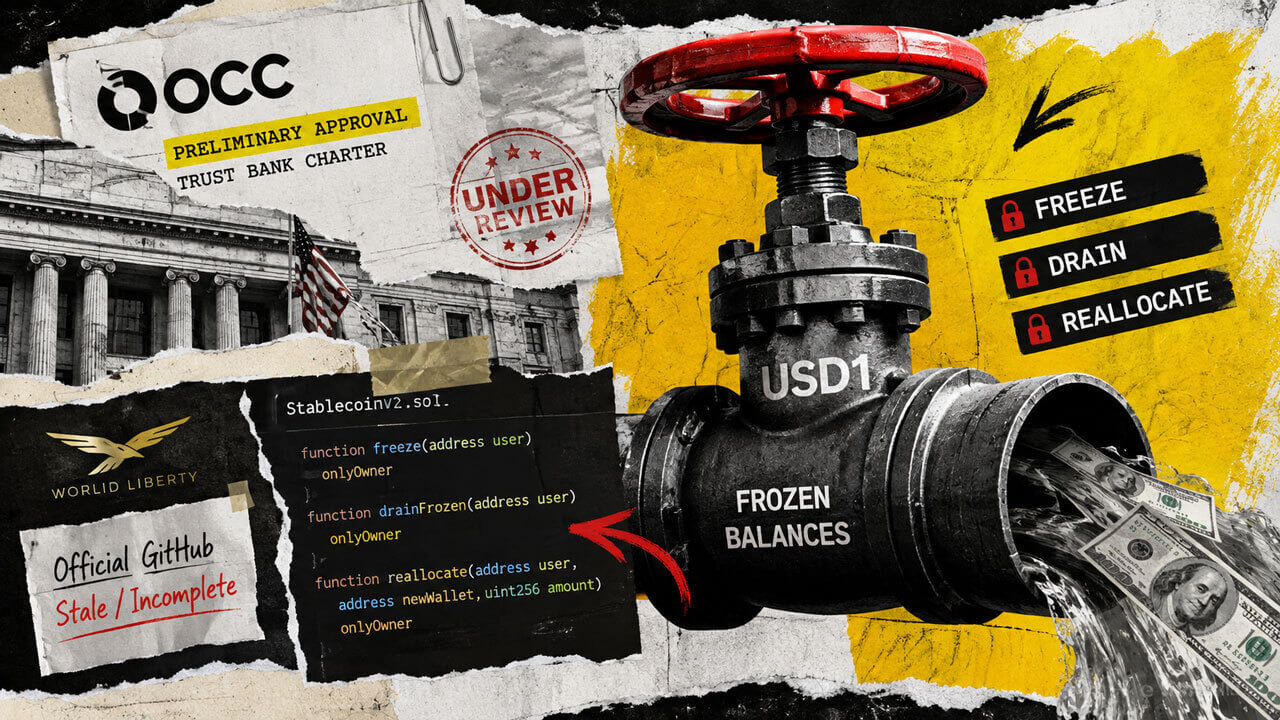
Trump-backed $4 billion USD1 stablecoin has wallet powers its own GitHub does not show
Justin Sun escalated his public fight with Donald Trump-backed World Liberty Financial on Friday, accusing its USD1 stablecoin of...

EIP-7702 Wallet Delegation Faces Scrutiny After Phishing Research
Ethereum’s EIP-7702 wallet delegation feature is facing renewed scrutiny after security research presented at the USENIX Security...
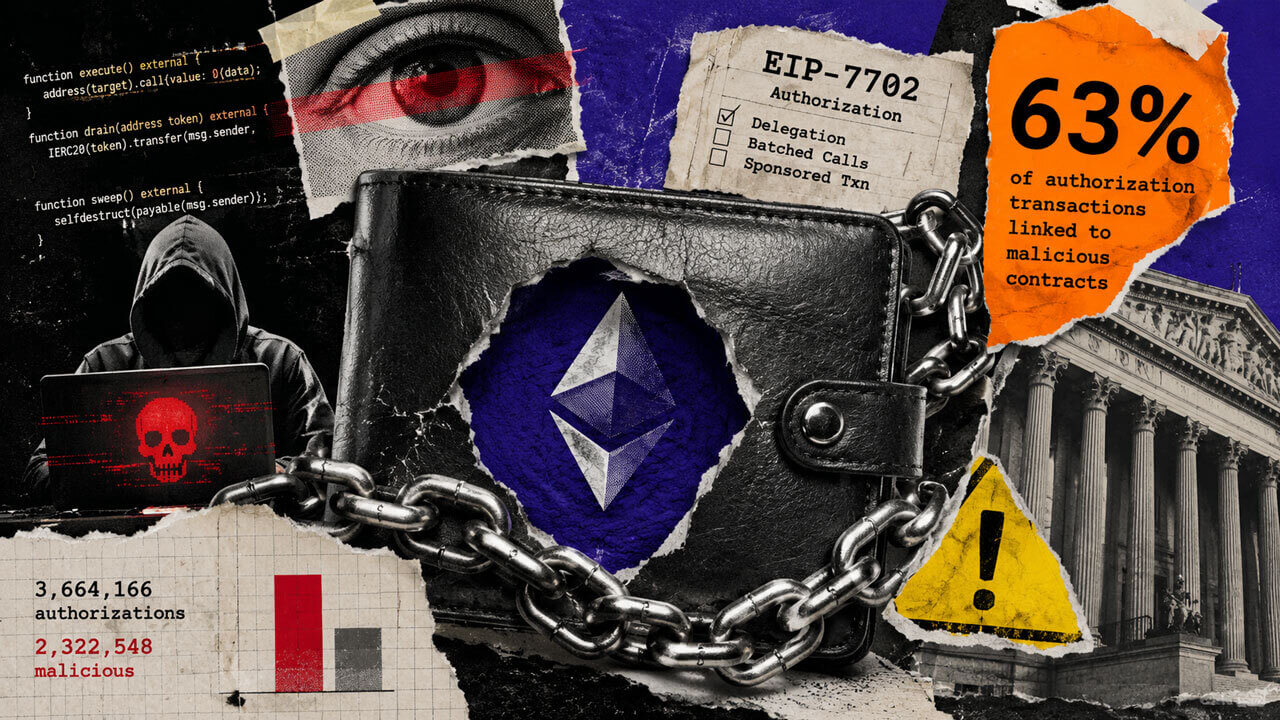
Attackers drove 63% of early use of Ethereum’s new smart wallet feature
Ethereum's shortcut to smart wallet behavior arrived with a new trust problem: a wallet can make a regular address programmable wi...
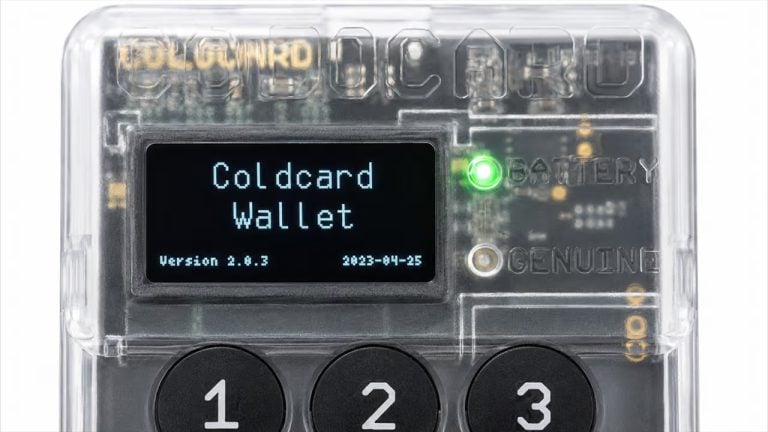
How Bitcoin Hardware Wallets Supported Users During the Coldcard Crisis
As there’s no single best bitcoin hardware wallet, only different features and trade-offs, their manufacturers also vary in how th...

Xaman Wallet reportedly eyes minimum fee removal to boost XRP Ledger liquidity
Xaman Wallet's fee removal could democratize access to XRP Ledger, potentially increasing participation and liquidity in the ecosy...
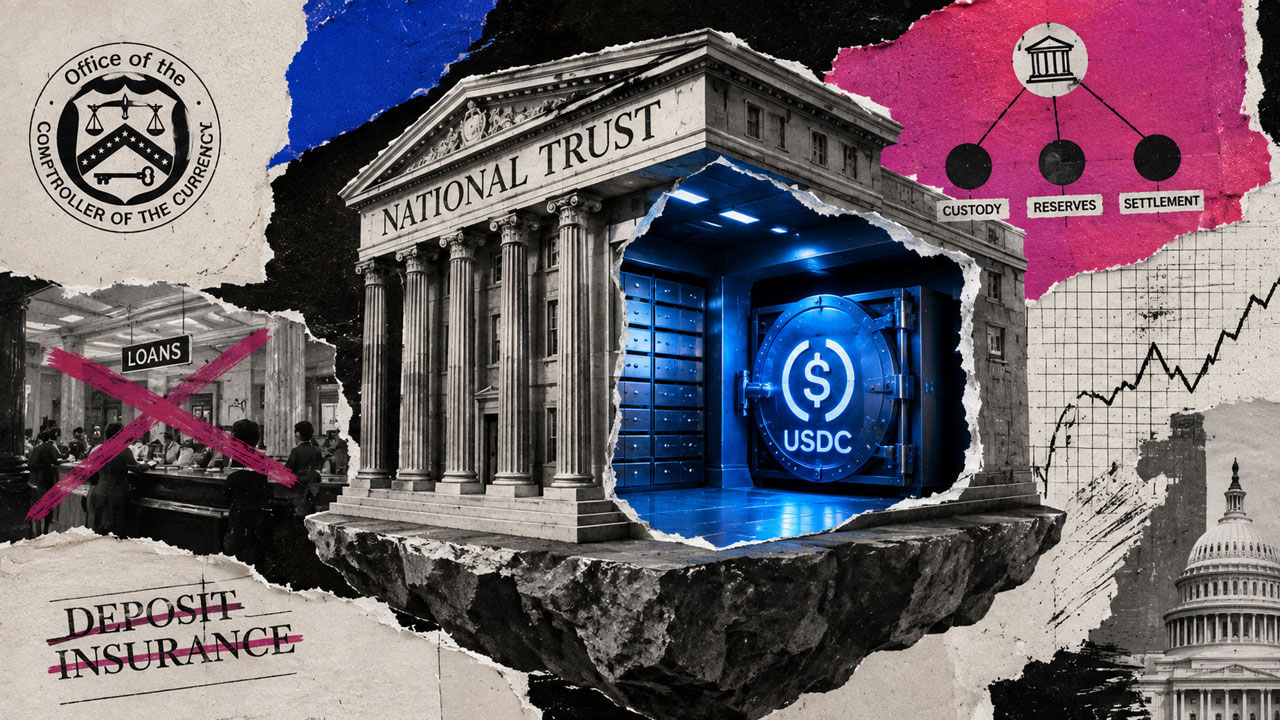
America is creating a new class of crypto banks – but they aren’t really banks
Circle now has a federal bank charter. However, the charter provides no ordinary checking accounts, FDIC-insured savings accounts,...