Costa Rica Might Be the Next Country to Establish Bitcoin as Regulated Currency
Costa Rica could be one of the next countries to adopt bitcoin as a regulated payment method. This week, Congresswoman Johana Obando introduced a bill to allow bitcoin and other cryptocurrencies to serve as a form of pay...
Archive context
Older archive item. Useful for background and entity history, but not a fresh market-moving signal.
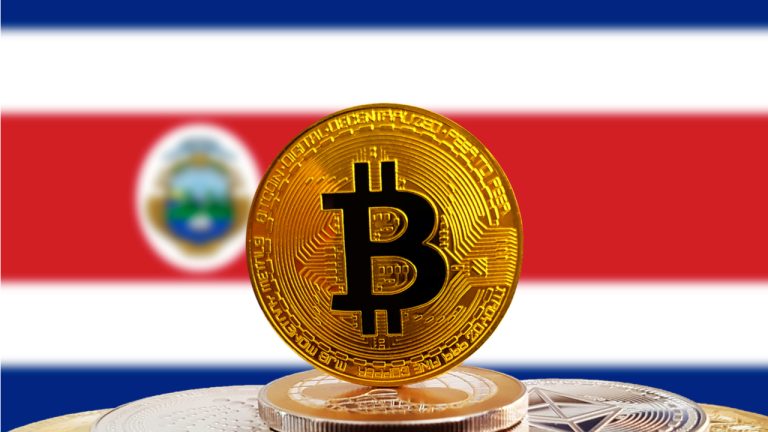
Costa Rica could be one of the next countries to adopt bitcoin as a regulated payment method. This week, Congresswoman Johana Obando introduced a bill to allow bitcoin and other cryptocurrencies to serve as a form of payment. The bill also proposes that traditional banking institutions be able to serve as crypto exchanges, including custody and wallet services for their customers.
Costa Rica to Regulate CryptocurrencyCosta Rica could be on the path to integrating bitcoin as part of its economy. This week, congresswoman Johana Obando introduced a bill that seeks to approve bitcoin and cryptocurrencies as a regulated payment method in the country, as a means of modernizing the economy.
The bill, number 23,415, also includes the definition of bitcoin and other cryptocurrencies as virtual private currency and protects the rights of citizens to possess such assets. One of the objectives behind this bill is to offer clarity and protection to the people and companies that investing in crypto assets, and in the same way, attract more investments in this area.
Obando clarified the bill does not force anyone to accept bitcoin as payment for debts or products, it merely establishes the possibility of doing so if both parties of a transaction agree upon using it. This is different from what countries like El Salvador have done, that have adopted bitcoin as legal tender.
In an interview on local TV, Obando declared:
The cryptocurrency assets market is very new. This bill wants to propose Costa Rica as an investment center for crypto-related people and companies to see Costa Rica as a growth niche.
Crypto and BankingThe proposed bill also seeks the integration of the banking system with the cryptocurrency economy. Obando mentions that another of the goals of the bill is to “guarantee banking interoperability of cryptocurrencies through public and private banks in the national territory,” hinting at the possible roles of banks as custody providers and wallet operators, as well as cryptocurrency exchanges.
This might be directed to increase the level of financial inclusion in the country. Costa Rica has improved its financial inclusion numbers during the last five years, with almost 82% of citizens older than 18 years having access to a bank account. If the bill is approved and sanctioned, these levels could ostensibly increase.
What do you think about the cryptocurrency bill introduced in Costa Rica and its goals? Tell us in the comments section below.
Why this matters
This bitcoin story adds another data point to the current market tape and is useful when read alongside nearby source coverage.
Original source
Read on Bitcoin NewsRelated market context

Tokenized assets pull in more than $1 billion in fresh capital in 30 days
The surge in tokenized asset investments highlights growing interest in digital finance, but reliance on key players and measureme...

Bank of Korea Wants Stablecoins Written Into Forex Law as Crypto Bill and Tax Fight Come to a Head
Bitcoin Magazine Bank of Korea Wants Stablecoins Written Into Forex Law as Crypto Bill and Tax Fight Come to a Head The Bank of Ko...
Crypto Industry Group Pushes Congress For Small-Payment Tax Relief And Clearer Rules
TL;DR: The Blockchain Association has asked congressional leaders to advance bipartisan crypto tax changes, including a de minimis...
New York Seeks $1.3 Billion From NovaTech Founders In Crypto Fraud Case
TL;DR: New York’s attorney general is seeking $1.3 billion in monetary relief in the NovaTech case and has announced nearly $6 mil...

Wall Street’s $359 billion-a-day repo market has found a use for blockchain
Wall Street has found a use for blockchain that involves neither memecoins nor replacing the banking system. It's now helping inst...
NY Seeks $1.37 Billion Judgment Against Operators of NovaTech Crypto Ponzi Scheme
Bitcoin Magazine NY Seeks $1.37 Billion Judgment Against Operators of NovaTech Crypto Ponzi Scheme New York Attorney General Letit...