Crypto Regulation Shake-Up: SEC Wins $1.1M Fraud Case as California Trials Bitcoin Fees
This week in crypto regulation, U.S. lawmakers and state officials drew attention across the digital asset sector with developments ranging from delayed disclosures and enforcement criticisms to landmark crypto-friendly...
Archive context
Older archive item. Useful for background and entity history, but not a fresh market-moving signal.

This week in crypto regulation, U.S. lawmakers and state officials drew attention across the digital asset sector with developments ranging from delayed disclosures and enforcement criticisms to landmark crypto-friendly legislation in California.
The regulatory environment continues to evolve, sometimes sharply divided between federal hesitations and state-level innovation.
Texas Congressman Slammed for Delayed Bitcoin DisclosureIn a striking development, Texas Congressman Brandon Gill (R-TX) came under fire for failing to disclose his Bitcoin purchases in a timely manner.
Congressman Brandon Gill (R-TX) is under fire for allegedly improperly disclosing recent Bitcoin transactions.#BrandonGill #DonaldTrumphttps://t.co/JbID89ntiW
— Cryptonews.com (@cryptonews) June 3, 2025According to a report from Open Secrets, Gill bought between $100,001 and $250,000 worth of Bitcoin on January 29 and February 27. However, the disclosures didn’t appear until May 30—well beyond the 45-day window mandated by the STOCK Act, which is designed to prevent insider trading by public officials.
The freshman congressman’s failure to comply with basic transparency protocols has sparked criticism, particularly as lawmakers increasingly shape crypto policy. The delayed filings raise questions about oversight and ethical conduct amid the sector’s surging political relevance.
Crypto advocates may see Gill’s holdings as a sign of growing interest within Congress, but his misstep shows the need for stricter accountability when digital assets enter the halls of power.
SEC Chair Paul Atkins Calls Out Enforcement-First ApproachOver in Washington, SEC Chair Paul Atkins delivered pointed remarks before the Senate Appropriations Subcommittee this week, criticizing the agency’s previous stance of “regulation-by-enforcement” toward crypto.
BREAKING
SEC Chairman Paul Atkins says his top priority is a clear, rational crypto regulatory framework —…..
especially around custody & $XRP
Clarity is coming. pic.twitter.com/30eyZLdwEg
Atkins argued that the former approach stifled innovation and inadvertently opened the door for fraudulent behavior to flourish.
“Enforcement without clear rules sends the wrong message,” Atkins said, emphasizing the need for proactive, rules-based regulation. He also praised the SEC’s revamped Crypto Task Force, describing it as a key player in developing a more nuanced and transparent regulatory framework for digital assets.
This shift in rhetoric from the SEC’s highest office marks a potential turning point in crypto regulation. For years, the agency’s ambiguous stance has frustrated industry players.
Atkins’ testimony could pave the way for more constructive engagement with blockchain projects—if it results in real policy changes and not just regulatory lip service.
California Leads With Progressive Crypto LegislationWhile federal agencies wrestle with regulatory philosophy and enforcement, California is pushing ahead with bold legislative moves that could redefine state-level crypto governance.
The State Assembly passed Assembly Bill 1180 with unanimous support on June 2. The bill authorizes the Department of Financial Protection and Innovation (DFPI) to create a pilot program allowing state fees to be paid using digital financial assets.
Assembly member Avelino Valencia, the bill’s sponsor, called the move “a turning point for public sector adoption of financial technologies.”
This marks one of the most concrete steps by any U.S. state toward integrating crypto into official government operations. Should the bill progress into law, California could serve as a testing ground for broader crypto utility in public finance, potentially setting a template for others to follow.
Hot on the heels of AB 1180, another bill—Assembly Bill 1052—also cleared the State Assembly in a 78-0 vote. AB 1052 seeks to modernize unclaimed property laws, particularly how dormant digital assets are handled.
JUST IN : California Assembly passes bill to regulate Digital Assets under 'Unclaimed Property' law.
The bill now moves to the Senate.
Law explained: Assets left on an exchange for 3 years will transferred to the state, and can then be claimed by the owner. pic.twitter.com/u9XftO0XRy
If passed by the Senate, the law would prevent dormant crypto held by custodians (like exchanges) from being automatically liquidated. Instead, these assets would be safeguarded in their native form by a licensed custodian.
This legislation specifically excludes self-custodied wallets from its reach, a key detail for privacy advocates and decentralization purists. Together, these two bills reflect a state legislature that understands the nuances of crypto and is willing to embrace its potential while mitigating risk.
SEC Secures $1.1M Judgment in Crypto Fraud CaseElsewhere, the SEC notched a courtroom win against bad actors in the crypto space. A federal judge in Georgia issued a default judgment on June 3 against Keith Crews, who was accused of orchestrating a fraudulent crypto investment scheme.
Crews failed to respond to the SEC’s lawsuit, resulting in a $1.1 million penalty that includes disgorged profits and civil fines.
This case reinforces the agency’s ongoing commitment to enforcement, especially against blatant scams and fraudulent offerings. While Atkins may be steering the SEC away from broad, punitive enforcement as a policy default, this judgment shows that the agency won’t hesitate to act decisively against clear misconduct.
State vs. Federal—A Diverging Path?This week’s developments present a revealing contrast. On one hand, California is emerging as a trailblazer in creating thoughtful crypto legislation, focusing on utility and protection.
On the other, federal lawmakers continue to grapple with oversight lapses and internal tensions on how best to regulate the space.
Congressman Gill’s disclosure mishap illustrates the regulatory gaps in the nation’s capital, while SEC Chair Atkins’ comments suggest a changing of the guard in federal crypto policy.
Meanwhile, the SEC’s ongoing enforcement actions indicate that investor protection remains a top priority, even as the agency explores more collaborative approaches.
The post Crypto Regulation Shake-Up: SEC Wins $1.1M Fraud Case as California Trials Bitcoin Fees appeared first on Cryptonews.
Why this matters
This bitcoin story adds another data point to the current market tape and is useful when read alongside nearby source coverage.
Original source
Read on CryptonewsRelated market context

CFTC Staff Let Futures Brokers Invest Customer Funds in Tokenized Assets, Keep Records Onchain
Futures brokers and clearinghouses regulated by the Commodity Futures Trading Commission can invest customer money in tokenized ve...
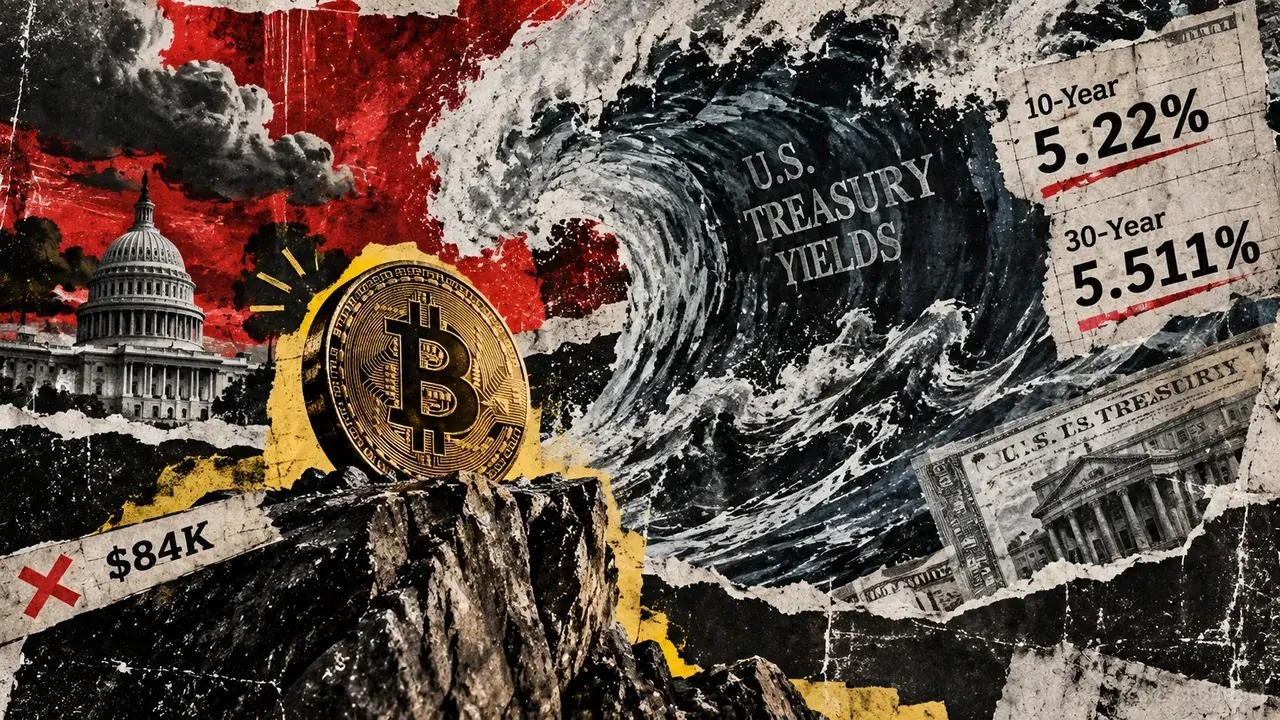
Bitcoin survives a 5.2% Treasury shock as traders slash $1.7 billion in leverage
Bitcoin is holding near $84,000 even as a historic US bond selloff pushes Treasury yields to decades-high levels. The benchmark 10...
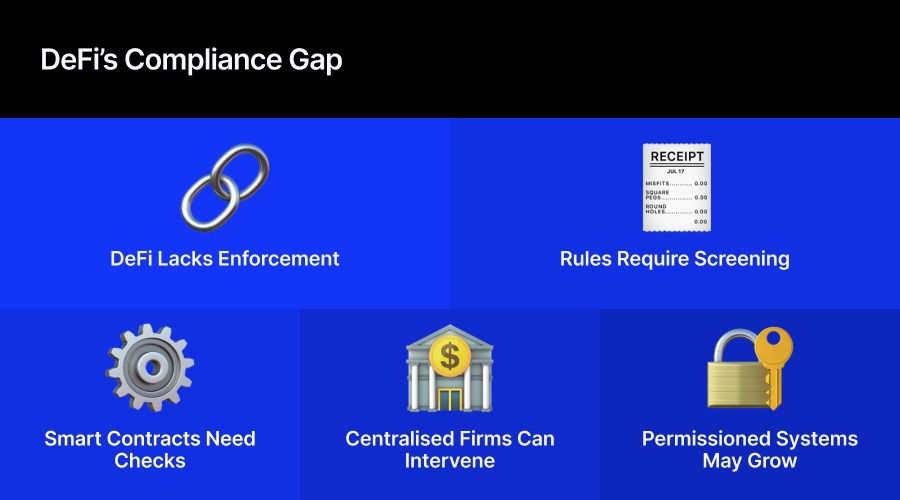
DeFi Was Never Going to Get Its Clarity from US Congress
Last week’s failed CLARITY Act cloture vote will be read as a setback for crypto. That reading misses where decentralized finance...

Kalshi Loses Again as Sixth Circuit Says States Can Police Its Sports Contracts
Prediction markets like Kalshi have argued that because the Commodity Futures Trading Commission regulates their exchanges, state...

Arbitrum becomes first blockchain to reach 7,000 real-world assets
Arbitrum's milestone highlights blockchain's growing role in finance, yet regulatory clarity and liquidity challenges remain criti...

SEC clarifies digital asset rules, easing token and staking classification
The SEC's clarification may boost market confidence and influence regulatory strategies, impacting future token launches and crypt...