Customers Can Now Verify Kraken’s Bitcoin Reserves
The company recently passed an independent audit on its bitcoin holdings and has enabled a ‘Proof of Reserves’ feature to its customers.Kraken customers can now independently verify that the bitcoin funds they hold on th...
Archive context
Older archive item. Useful for background and entity history, but not a fresh market-moving signal.

The company recently passed an independent audit on its bitcoin holdings and has enabled a ‘Proof of Reserves’ feature to its customers.
Kraken customers can now independently verify that the bitcoin funds they hold on the cryptocurrency exchange are backed by actual assets after the firm launched its Proof of Reserves feature, enabling a new level of transparency and accountability to emerge in the industry.
The feature is the product of an independent, cryptographic audit of Kraken’s funds performed by accounting firm Armanino LLP, which verified the amount of bitcoin the exchange holds on behalf of its clients with the help of Merkle Trees.
“Indeed, in this audit, completed on December 31, our auditor determined Kraken controlled all of the bitcoin…belonging to clients on our exchange, as well as all the bitcoin…held in our industry-leading on-chain and off-chain staking services,” the company said in a Thursday statement.
Users interested in verifying that Kraken holds the amount of bitcoin that the company claims to hold on their behalf can do so by accessing the independent Proof of Reserves website by Armanino. But first, they should head over to Kraken’s website to gather the necessary information, a unique identification number for their account, for accessing the records.
“An advanced cryptographic accounting procedure conducted semi-annually by trusted auditors, Proof of Reserves lets you verify that Kraken is meeting rigorous standards for accountability and exceeding the transparency offered by legacy financial firms,” per Kraken’s website.
Proof of Reserves enables greater transparency by providing customers with the ability to check if the custodian of their bitcoin is truthful. The feature isn’t completely trustless, however, as strictly speaking, the user still needs to trust the third-party company that performed the audit.
But the initiative is still positive, as it prevents the cryptocurrency exchange from embarking on fractional reserves, and it is also a better deal than what is offered by traditional banks, who not only do fractional reserves but involve full trust.
Why this matters
This bitcoin story adds another data point to the current market tape and is useful when read alongside nearby source coverage.
Original source
Read on Bitcoin MagazineRelated market context
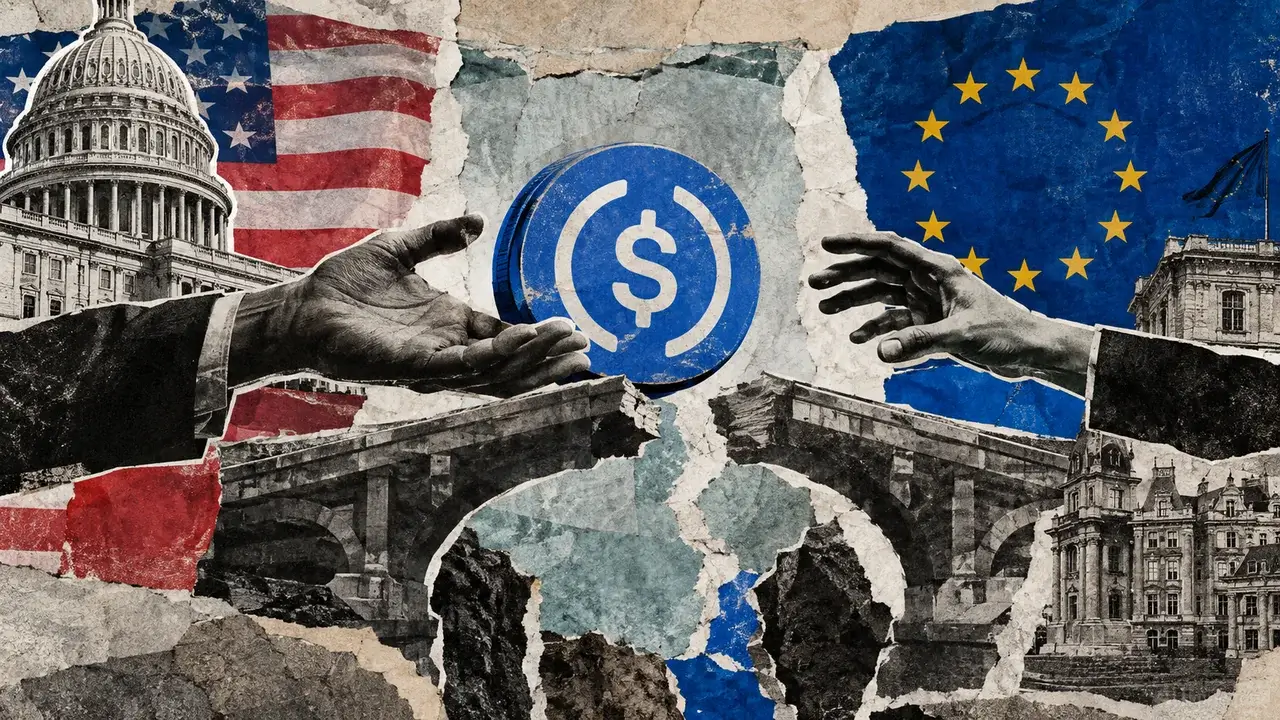
Circle can delay European USDC redemptions if reserves cannot cross borders
European USDC holders seeking dollars from Circle could have to wait if reserves cannot move between its French and U.S. issuers,...

Ethereum’s past outflow charts can change when more exchange wallets are identified
Coin Metrics has rebuilt Ethereum's historical Standard Flow Metrics, raising a timing problem for tests that treat exchange outfl...

Bitcoin’s $85,000 recovery awaits proof that ETF investors kept buying after payrolls
Bitcoin's recovery above $85,000 faces a demand test after a sharp fall in bets on another Federal Reserve rate hike. A new post-p...

India’s local crypto exchanges get just 0.7% of inflows, Chainalysis reports
India’s crypto users send substantial value to centralized exchanges, but domestic platforms receive just 0.7% of exchange value i...

Metaplanet sold 10,000 Bitcoin in a credit-rating bid, only to buy back 11,000 BTC at a higher price per coin
Metaplanet sold 10,000 Bitcoin and later bought back 11,000 BTC to strengthen its credit profile and expand beyond accumulation du...

Sam Altman says the world should accept some AI harms in exchange for its benefits
Altman's stance on AI harms versus benefits could shape regulatory approaches, influence industry standards, and impact public tru...