Czech Central Bank Official Dismisses Bitcoin Reserves Over Legal and Volatility Risks
The Czech National Bank (CNB) has become the center of an evolving debate over Bitcoin’s place in national reserves. What started as CNB Governor Aleš Michl’s bold proposal to allocate up to 5% of the country’s €140 bill...
Archive context
Older archive item. Useful for background and entity history, but not a fresh market-moving signal.

The Czech National Bank (CNB) has become the center of an evolving debate over Bitcoin’s place in national reserves.
What started as CNB Governor Aleš Michl’s bold proposal to allocate up to 5% of the country’s €140 billion reserves to Bitcoin has now met resistance from within the bank’s leadership.
Board member Jan Kubicek has expressed deep skepticism, citing Bitcoin’s extreme volatility and legal complexities.
It all started with Michl’s January 2025 announcement that Bitcoin could serve as a valuable diversification tool for the Czech Republic’s reserves.
The Czech National Bank, led by Governor Aleš Michl, considers #Bitcoin as a reserve asset to diversify holdings. Gold remains a core focus, but crypto’s growing appeal offers new opportunities.#Cryptocurrency #CzechNationalBank $BTChttps://t.co/S2oSztIjPA
— Cryptonews.com (@cryptonews) January 7, 2025However, opposition within the CNB, led by Kubicek, argues that Bitcoin remains too volatile and legally uncertain to be a prudent investment for the central bank.
The CNB is now conducting a study on expanding asset classes, which could conclude by October 2025, but Bitcoin’s place remains highly uncertain.
Czech Move into Bitcoin ReservesGovernor Aleš Michl’s proposal to include Bitcoin in the CNB’s reserves was met with intrigue and controversy when first announced.
Michl, known for his investment banking background, argued that Bitcoin’s inclusion could enhance portfolio diversification.
He noted that had the CNB allocated 5% of its reserves to Bitcoin over the past decade, annual returns would have increased by 3.5 percentage points, albeit with doubled volatility.
Michl’s perspective aligns with a broader trend of growing institutional interest in Bitcoin.
With entities like BlackRock and other major asset managers integrating Bitcoin into ETFs and political shifts in the U.S. signaling more crypto-friendly policies.
He likened Bitcoin’s trajectory to other alternative investments, stating that while Bitcoin could ultimately prove worthless, the same risks apply to traditional investments like stocks.
Despite his optimism, Michl remains cautious about implementation, stating that any allocation would be gradual.
According to the Financial Times report, he reiterated that even a 5% Bitcoin investment by the CNB could significantly influence Bitcoin’s market price due to the sheer size of the reserves in question.
Internal Skepticism: Legal and Volatility ConcernsWhile Michl’s proposal has drawn attention, it has also faced resistance within the CNB.
Jan Kubicek, a board member, has been vocal in his concerns about Bitcoin’s extreme price swings and legal uncertainties.
In an interview with Reuters on March 18, Kubicek stated that while the CNB is evaluating various asset classes, Bitcoin remains a highly speculative option.
Kubicek emphasized that Bitcoin’s volatility undermines its reliability as a reserve asset.
He questioned whether Bitcoin’s historical price movements would continue in the same pattern as institutional adoption increases.
“We cannot be certain that Bitcoin’s volatility in the coming years will mirror the patterns observed over the past decade,” Kubicek said.
Kubicek also noted that integrating Bitcoin into the CNB’s reserves would require new accounting and auditing procedures.
Unlike traditional reserve assets such as government bonds and equities, Bitcoin lacks standardized regulations within central banking frameworks.
This skepticism extends beyond the CNB. European regulators have largely maintained a cautious stance on Bitcoin, with the European Central Bank dismissing it as unsuitable for payments or investments.
ECB President Christine Lagarde has rejected Bitcoin as a reserve asset, citing concerns over liquidity and security.#ECB #Blockchain #BitcoinReservehttps://t.co/HSlApHCjfg
— Cryptonews.com (@cryptonews) January 30, 2025 The Future of Bitcoin in National ReservesDespite opposition within the CNB, Michl’s proposal is not without precedent. Countries like El Salvador have already incorporated Bitcoin into their financial systems, albeit under different circumstances.
President Nayib Bukele recently clarified that El Salvador won’t stop its BTC accumulating strategy.#ElSalvador #BitcoinReserve #NayibBukelehttps://t.co/EJ4m8VOxYs
— Cryptonews.com (@cryptonews) March 10, 2025Moreover, the U.S. has taken a more proactive stance on cryptocurrency under the new Trump administration.
Trump’s executive order establishing a national digital asset stockpile suggests that some policymakers view Bitcoin as a strategic financial asset.
For now, the Czech Republic’s position remains uncertain. While Michl’s proposal introduced the possibility of Bitcoin in central bank reserves, the strong opposition from within the CNB suggests that such a move faces significant hurdles.
The bank’s ongoing study on asset class diversification, set to conclude in October 2025, will likely determine whether Bitcoin remains a viable option for the CNB’s reserve strategy.
The post Czech Central Bank Official Dismisses Bitcoin Reserves Over Legal and Volatility Risks appeared first on Cryptonews.
Why this matters
This bitcoin story adds another data point to the current market tape and is useful when read alongside nearby source coverage.
Original source
Read on CryptonewsRelated market context
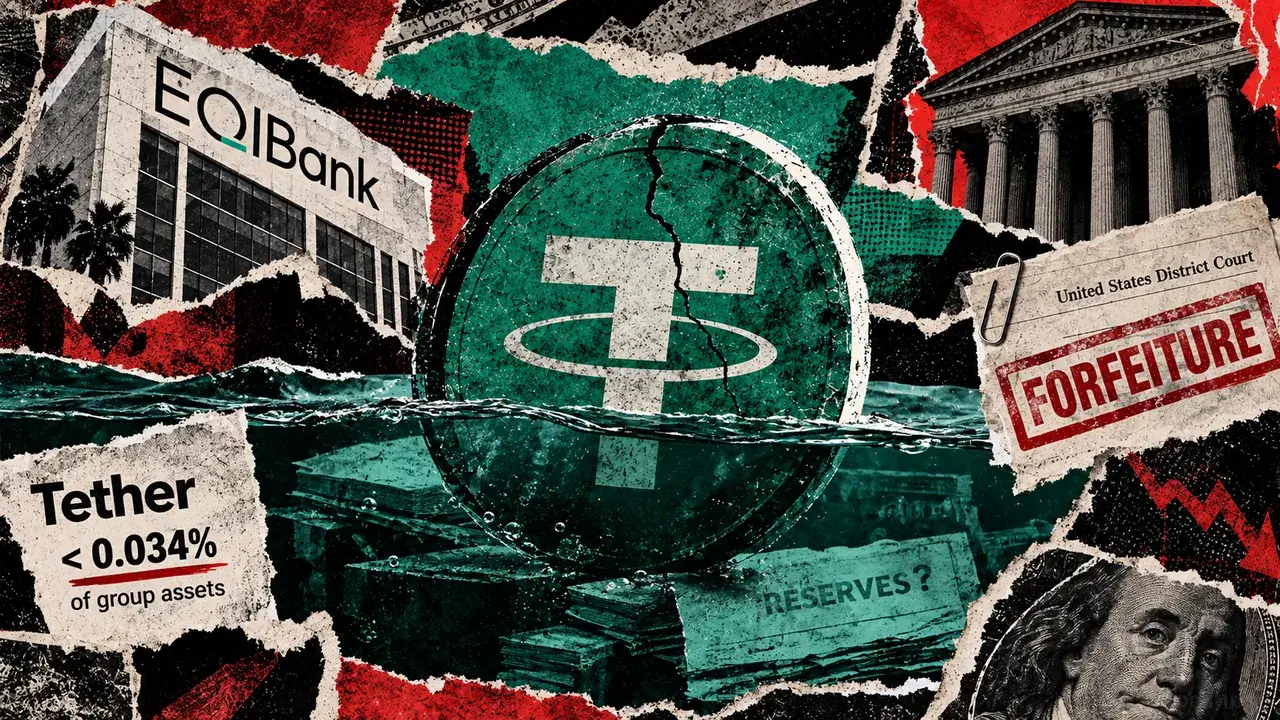
An $84 million US asset seizure just sparked a massive question for Tether
Tether has disclosed exposure to EQIBank as the bank fights a US seizure involving payment processor Capstone Limited, raising a q...

Quant Crypto Blasts 3x in a Week Following Huge US Bank Deal
Quant crypto has exploded roughly +178% over the last seven days, including an extraordinary +72% daily surge. Quant is quickly be...

EU Banking Regulator Urges Crypto Lending Rules, Floats Leverage Caps and DeFi Certification
The European Banking Authority (EBA) recommended on Sept. 24 that the European Commission consider regulating crypto borrowing and...

Fed proposed stablecoin rule could trigger a 48-hour liquidation run
The Federal Reserve's proposed rules for the payment stablecoin issuers it supervises include a crisis clock measured in hours. An...
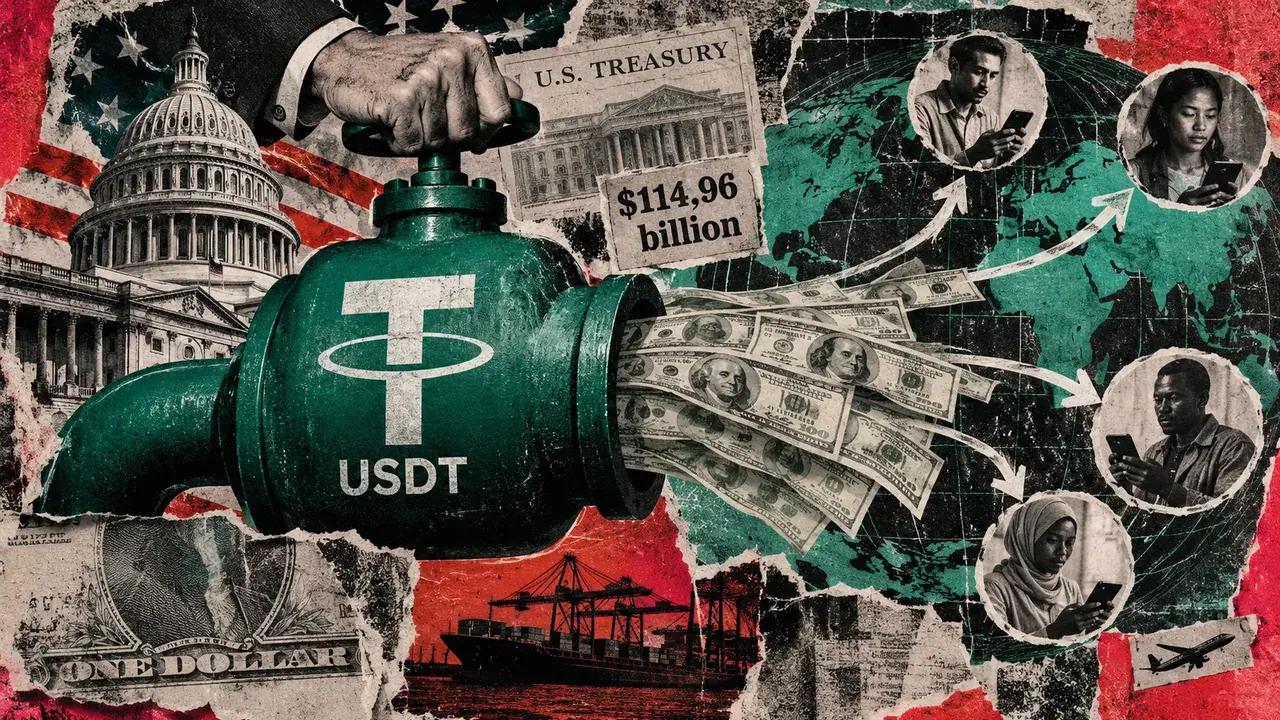
Washington has $114 billion reasons to want Tether around
Not that long ago, Washington fined Tether for misleading people about the dollars behind its tokens. Today, the company's insatia...

Fed October Decision Polymarket Odds: October Rate Hike Sits at 64%
Bitcoin and the wider cryptocurrency market are facing a renewed macroeconomic headwind as traders increasingly anticipate another...