Discussing The Fake Peer Attack On Bitcoin
Discussing a recent attack on the Bitcoin network, in which some nodes were flooding peers with fake IP addresses.Watch This Episode On YouTubeListen To This Episode:BitcoinTVAppleSpotifyGoogleLibsynOvercastBitcoin was u...
Archive context
Older archive item. Useful for background and entity history, but not a fresh market-moving signal.

Discussing a recent attack on the Bitcoin network, in which some nodes were flooding peers with fake IP addresses.
Listen To This Episode:
Bitcoin was under attack! It’s the story the mainstream media won’t tell you!
Hosts Aaron van Wirdum and Sjors Provoost finally met in Utrecht again to record "Bitcoin, Explained." In this episode, they discussed a recent attack on the Bitcoin network, where some nodes were flooding peers with fake IP addresses.
“These random people that were connecting to them would send 500 messages, and each of those 500 messages would contain 10 addresses, that were supposed to represent other nodes on the network,” Provoost said. “The messages were real, but the content was nonsense. So, a node would connect to you, and they would send you a bunch of addresses, but it turns out those addresses were just a bunch of random numbers.”
As previously discussed in episode 13, Bitcoin nodes are connect to peers on the network through IP addresses, which they learn from their existing peers. Nodes on the network essentially share the IP addresses of other nodes.
Recently, however, some Bitcoin nodes shared large amounts of IP addresses that weren’t associated with real Bitcoin nodes at all. While this attack did not do very much damage, it did waste resources from nodes on the network. On top of that, van Wirdum and Provoost explained, the attack could offer the attacker insight into Bitcoin’s network topology by analyzing how the fake IP addresses spread through the network.
Finally, van Wirdum and Provoost discussed how the attack was solved by rate limiting the amount of shared IP addresses that any node will allow its peers to receive. Further, they considered how in free and open-source software development, fixing problems is not always as straightforward as it may seem.
Why this matters
This bitcoin story adds another data point to the current market tape and is useful when read alongside nearby source coverage.
Original source
Read on Bitcoin MagazineRelated market context

America is creating a new class of crypto banks – but they aren’t really banks
Circle now has a federal bank charter. However, the charter provides no ordinary checking accounts, FDIC-insured savings accounts,...
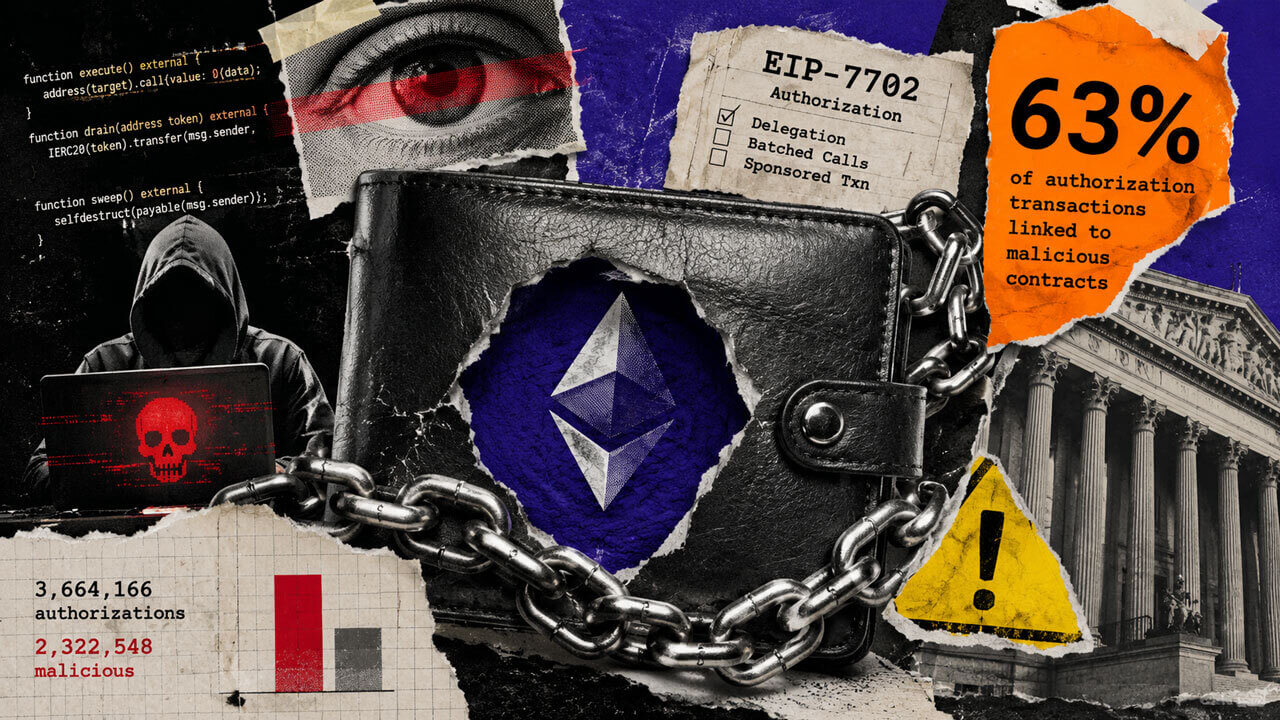
Attackers drove 63% of early use of Ethereum’s new smart wallet feature
Ethereum's shortcut to smart wallet behavior arrived with a new trust problem: a wallet can make a regular address programmable wi...

YZi Labs-backed BounceBit Chain shuts down after $3M exploit
The YZi-backed bitcoin restaking firm BounceBit announced today that it is shutting down its blockchain after hackers exploited an...
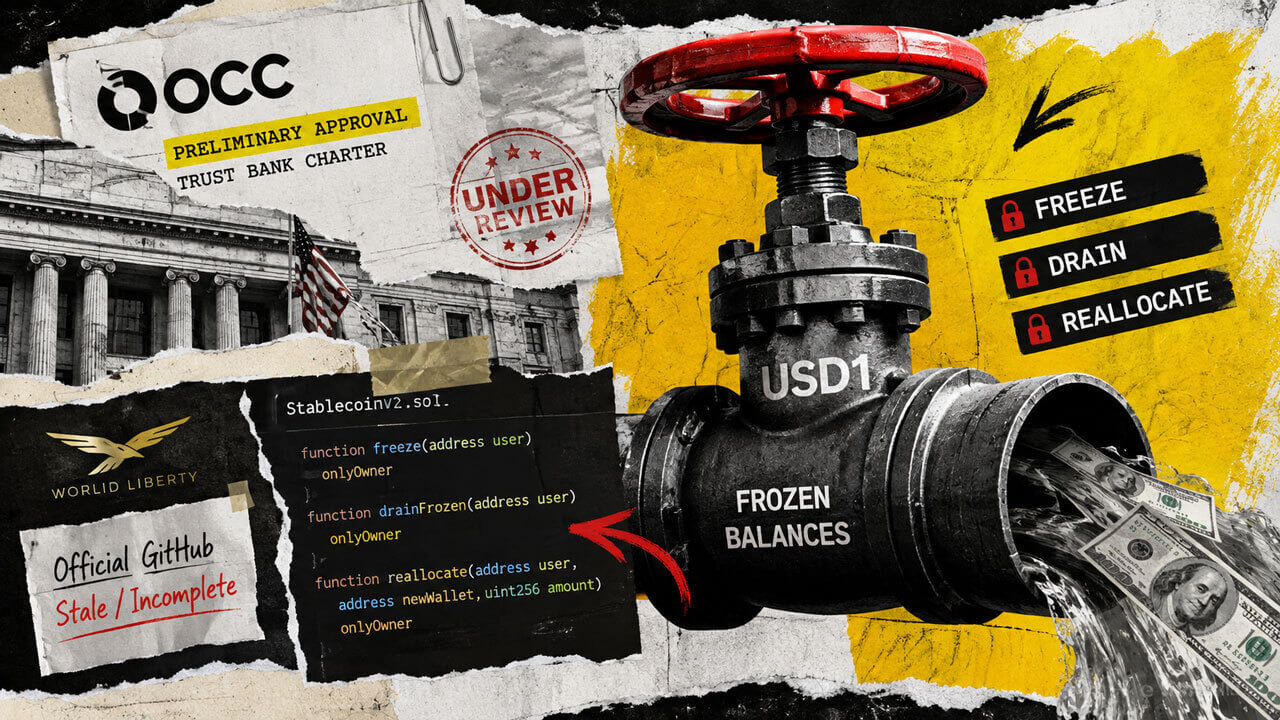
Trump-backed $4 billion USD1 stablecoin has wallet powers its own GitHub does not show
Justin Sun escalated his public fight with Donald Trump-backed World Liberty Financial on Friday, accusing its USD1 stablecoin of...
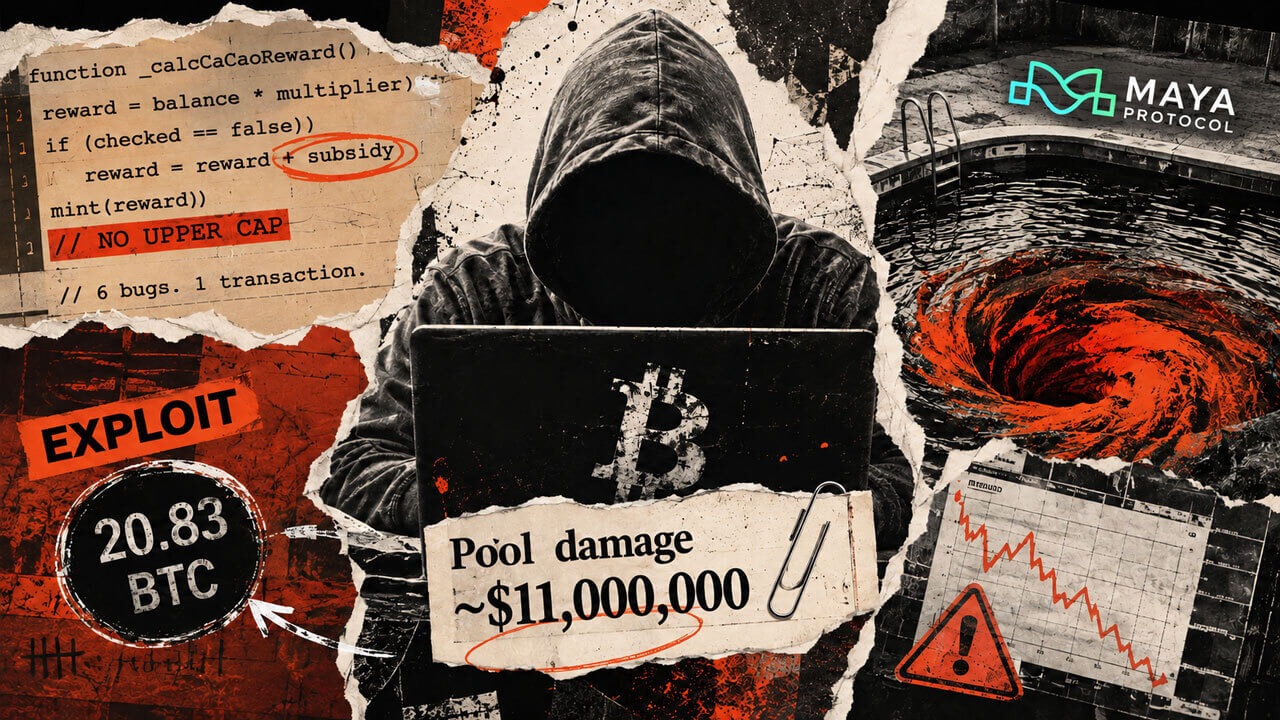
Unresolved $11 million liquidity crash leaves pools exposed as attacker still holds 20.83 BTC on Maya Protocol
The suspected Bitcoin address at the center of Maya Protocol’s Aug. 18 exploit still held about 20.8273 BTC with no outgoing spend...

EIP-7702 Wallet Delegation Faces Scrutiny After Phishing Research
Ethereum’s EIP-7702 wallet delegation feature is facing renewed scrutiny after security research presented at the USENIX Security...