El Salvador Buys More Bitcoin: 420 BTC Added to Treasury
El Salvador, the country that made bitcoin legal tender alongside the U.S. dollar, has bought the dip again. The Salvadoran government has purchased a total of 1,120 bitcoins, currently worth more than $68 million. El Sa...
Archive context
Older archive item. Useful for background and entity history, but not a fresh market-moving signal.
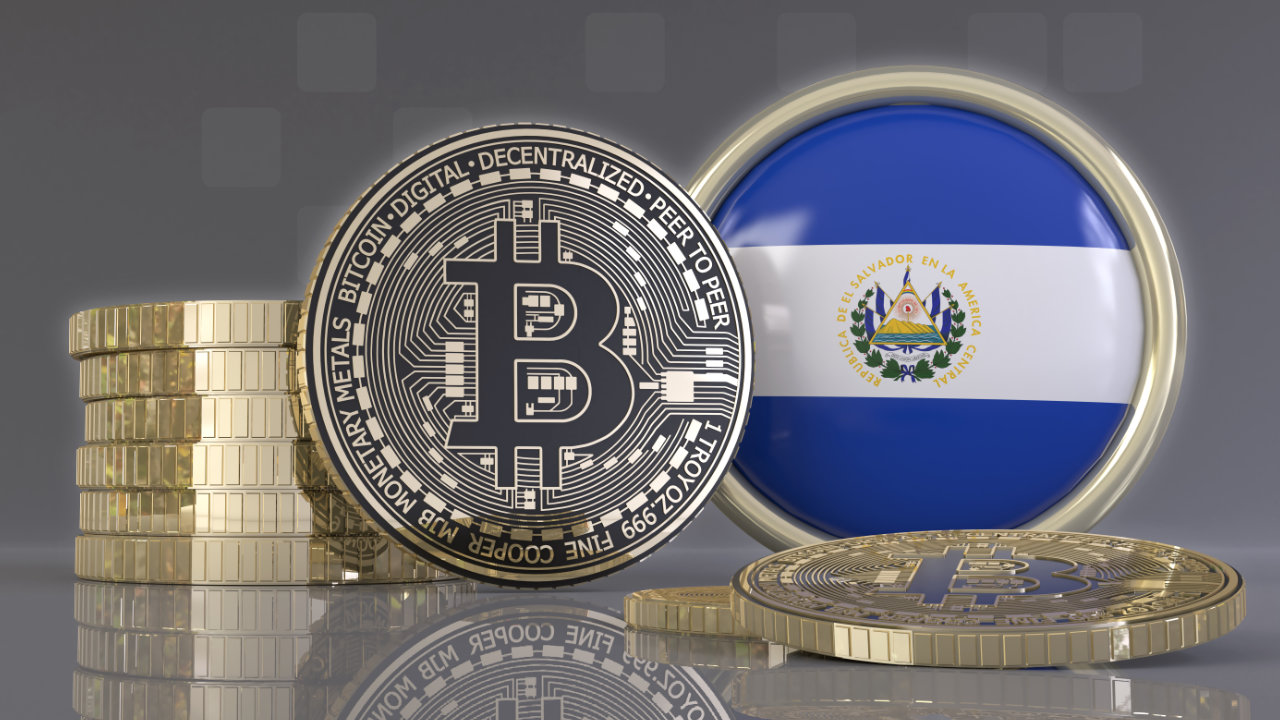
El Salvador, the country that made bitcoin legal tender alongside the U.S. dollar, has bought the dip again. The Salvadoran government has purchased a total of 1,120 bitcoins, currently worth more than $68 million.
El Salvador’s Bitcoin Holdings GrowEl Salvador has bought the dip again, taking advantage of the falling price of bitcoin on Wednesday. President Nayib Bukele tweeted: “It was a long wait, but worth it. We just bought the dip.”
At the time of writing, the price of bitcoin is $61,129, down from an all-time high of almost $67,000 on Oct. 19 based on data from Bitcoin.com Markets.
The country made bitcoin legal tender alongside the U.S. dollar on Sept. 7. At the time, the price of BTC was around $46,000.
The day before its Bitcoin law went into effect, El Salvador purchased two sets of 200 bitcoins. On Sept. 7, the price fell slightly, allowing the country to buy the dip (150 BTC). On Sept. 20, Bukeke said his country bought the dip again (150 more BTC), adding, “El Salvador now holds 700 coins.”
With 420 new coins, El Salvador has purchased a total of 1,120 BTC, worth more than $68.5 million at the time of writing.
What do you think about El Salvador repeatedly buying the dip? Let us know in the comments section below.
Why this matters
This bitcoin story adds another data point to the current market tape and is useful when read alongside nearby source coverage.
Original source
Read on Bitcoin NewsRelated market context
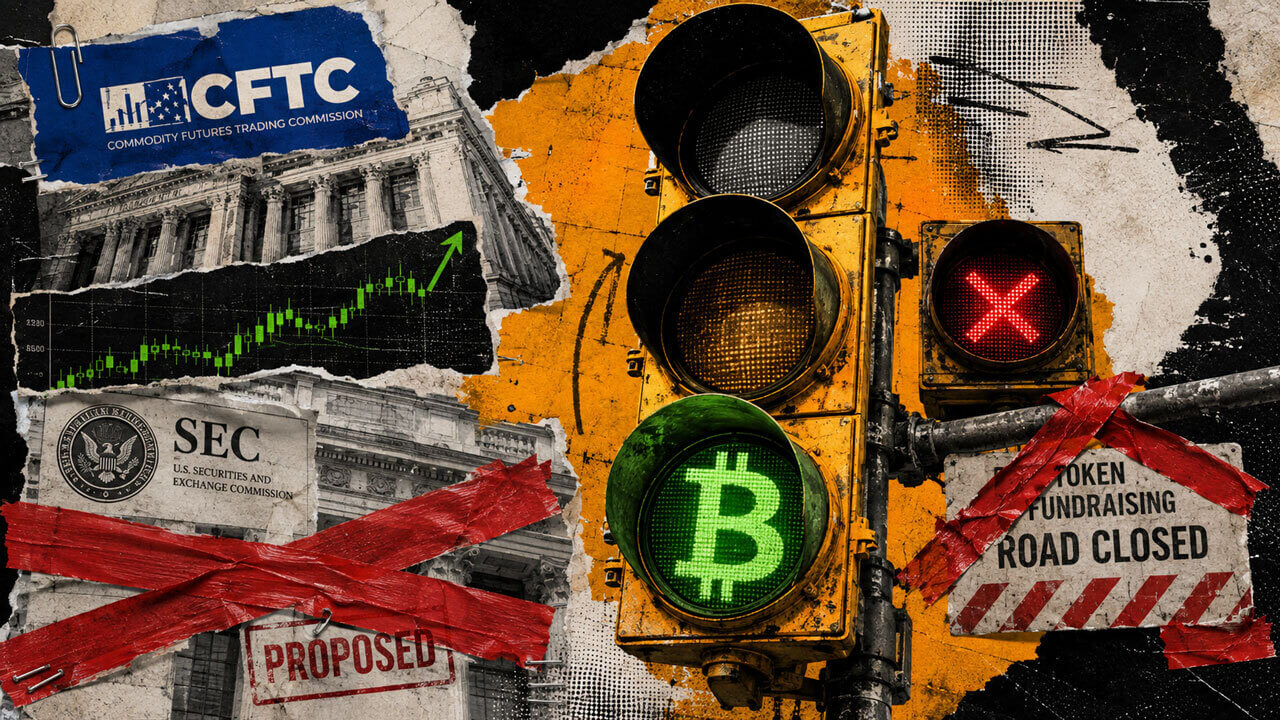
The US approved high-leverage Bitcoin trading while crypto founders remain legally blocked from raising funds
On May 29, the CFTC approved a Bitcoin perpetual contract for a regulated US exchange. Almost three months later, on Aug. 18, the...
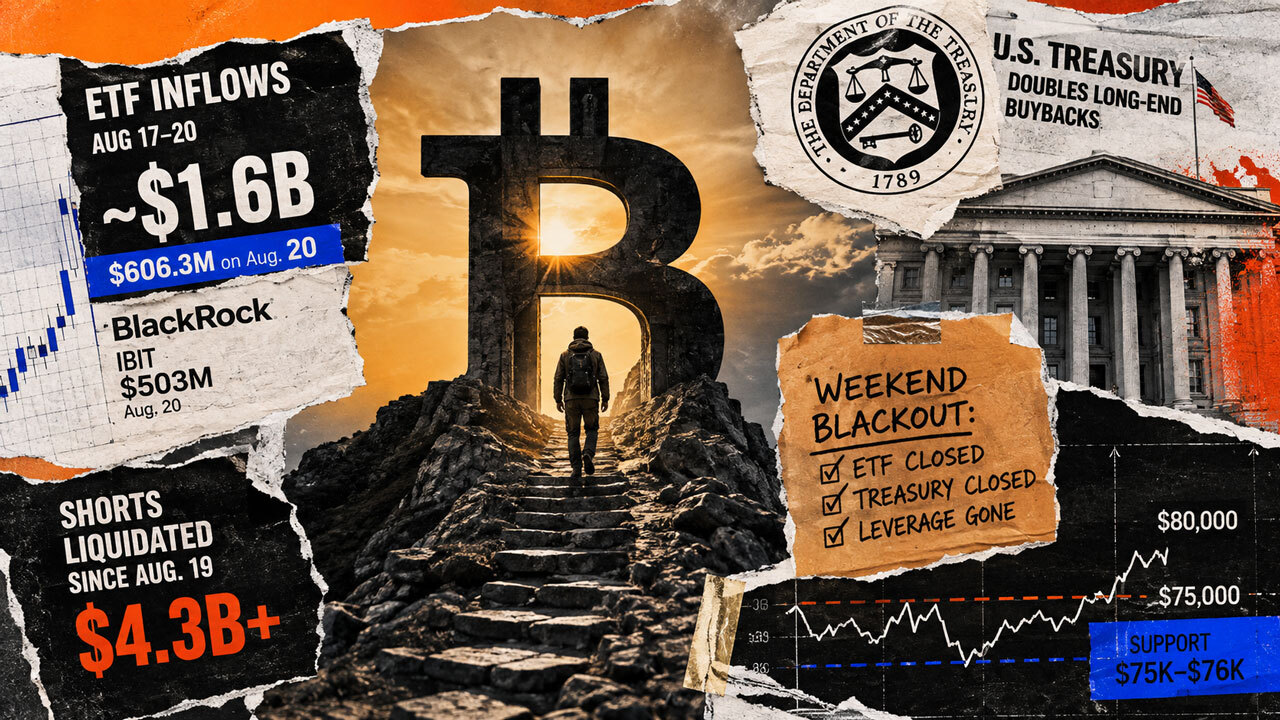
Bitcoin hits $80,000’s doorstep just as the ETF bid disappears for the weekend
Bitcoin enters the weekend within striking distance of $80,000, registering an intraday high at $79,500 on Aug. 21. The move caps...
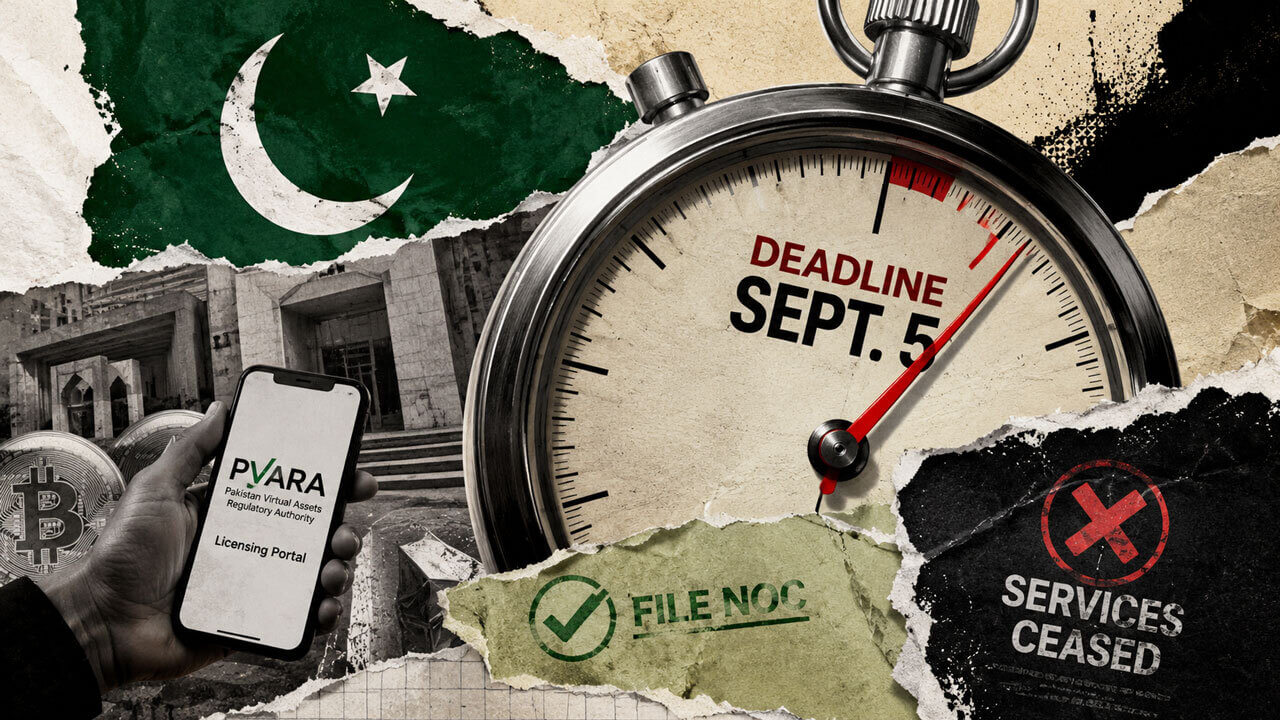
Pakistan gives crypto platforms a September 5 deadline to comply or leave
Pakistan has given crypto platforms until Sept. 5 to enter its new licensing regime or stop serving the market, moving the country...
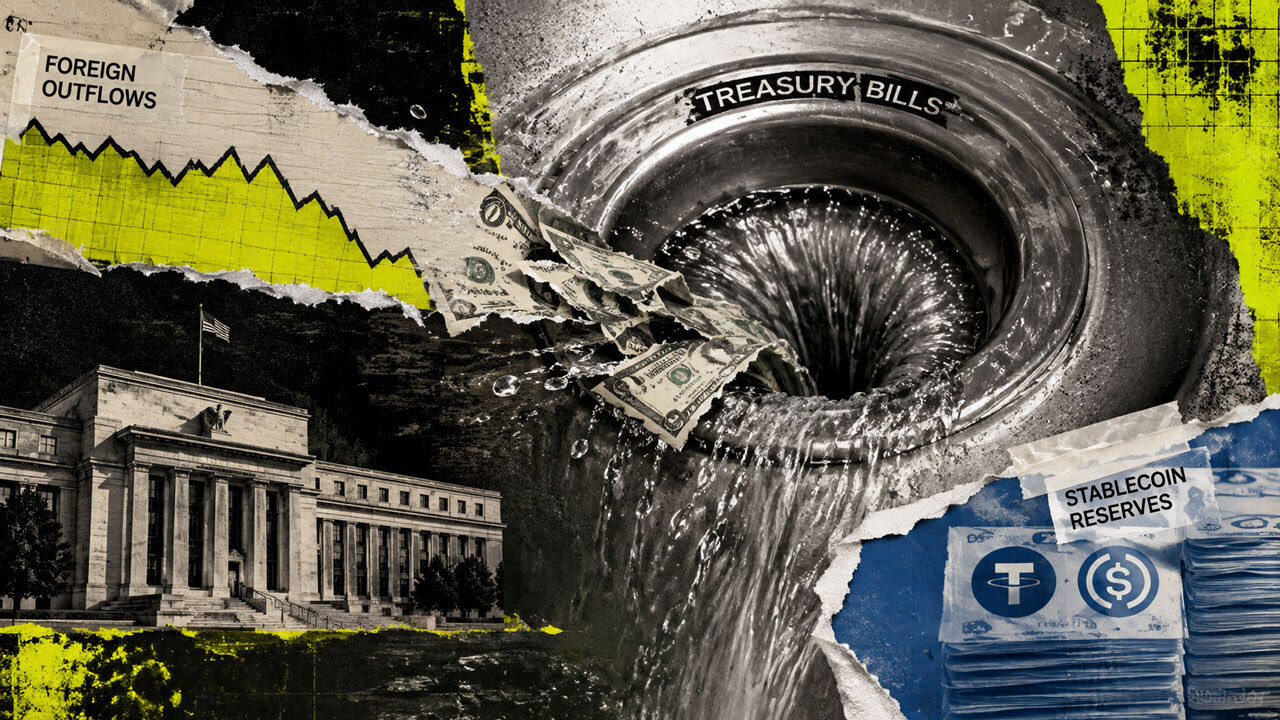
As foreign investors dump $29 billion in Treasury bills, Washington pivots to stablecoin issuers to back US debt
Foreign investors sent a net $133.5 billion into US financial markets in June. During the same month, they sold $29 billion of Tre...
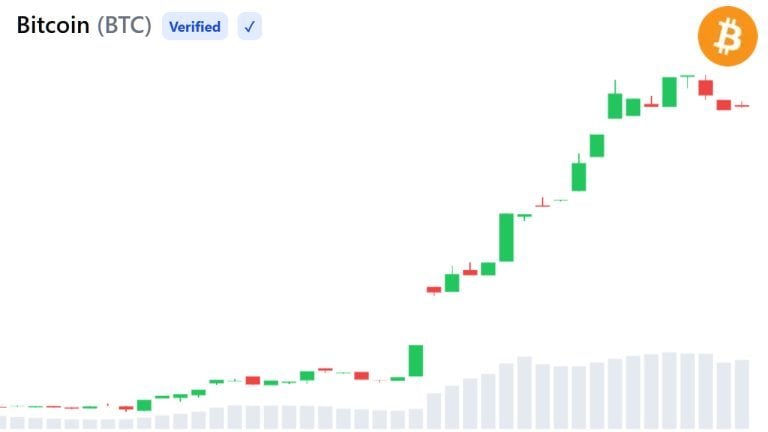
Grayscale Sees 3 Reasons Bitcoin May Be Worth Buying Right Now
Grayscale sees three conditions aligning for people asking whether now is a good time to buy bitcoin. The crypto asset manager poi...
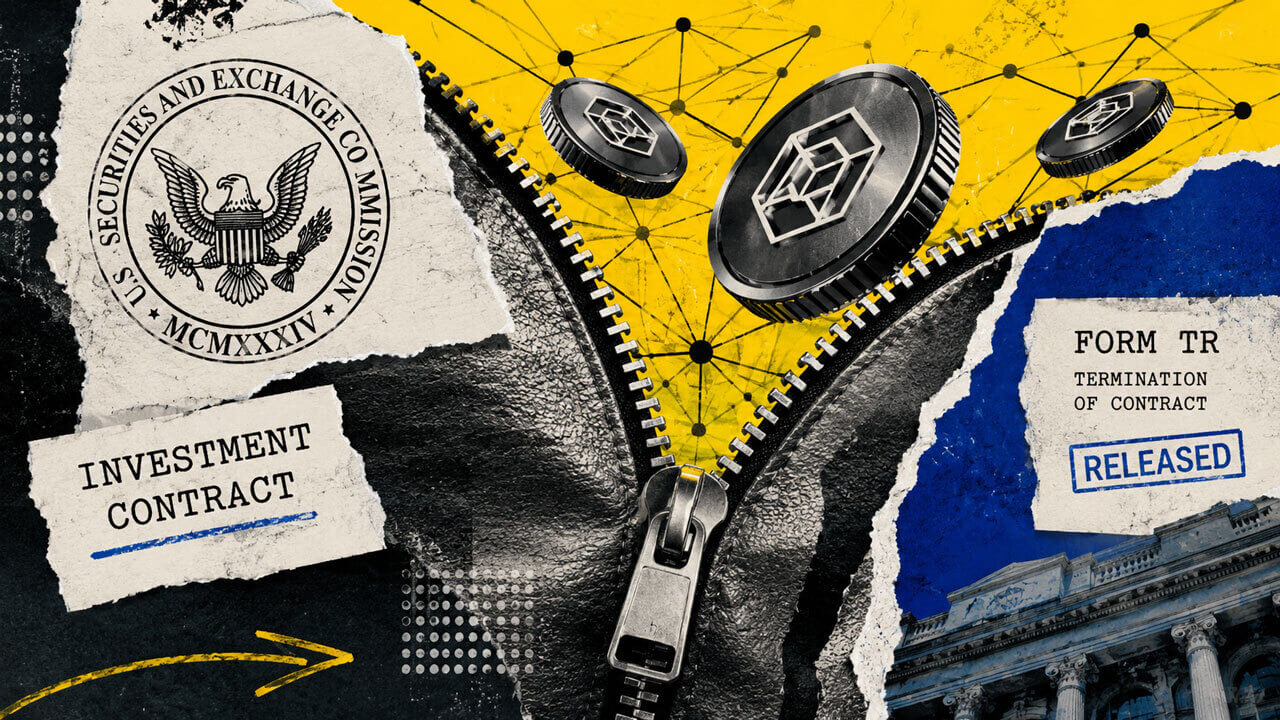
SEC proposes a path for crypto projects to raise $75 million and later end the token’s securities contract
US regulators have already found a home for true Bitcoin perpetuals inside the CFTC’s exchange framework. The SEC is now turning t...