Ex-UK Prime Minister Blasts Bitcoin, Here’s What He Said
Bitcoin has again come under sharp criticism after former UK Prime Minister Boris Johnson questioned its legitimacy. His remarks, shared in a March 13, 2026, post on X, reignited debate over whether the world’s largest c...
Archive context
Older archive item. Useful for background and entity history, but not a fresh market-moving signal.

Bitcoin has again come under sharp criticism after former UK Prime Minister Boris Johnson questioned its legitimacy. His remarks, shared in a March 13, 2026, post on X, reignited debate over whether the world’s largest cryptocurrency is fundamentally sound or structurally flawed.
Bitcoin Under Fire: What Boris Johnson’s Statement SuggestsIn his post, Johnson reiterated long-standing doubts about Bitcoin, noting that reports of investor losses had strengthened his skepticism. His comments highlight concerns over the cryptocurrency’s structure and the potential risks for participants.
This perspective aligns with his previous column, where he described individuals drawn in by promises of profit but ultimately losing significant sums. One example involved a retired person who invested £500 hoping to double it, only to spend years attempting withdrawals while paying fees, eventually losing about £20,000. Johnson suggests these cases illustrate that Bitcoin is not only volatile but also part of an ecosystem where investors may face exploitation.
He also questioned Bitcoin’s intrinsic value, describing it as a digital construct without physical backing or cultural significance. Johnson raised concerns about the anonymity of its creator, Satoshi Nakamoto, arguing that the lack of accountability adds risk. His remarks imply that Bitcoin’s reliance on investor interest, along with its decentralized and opaque origins, could expose participants to dynamics reminiscent of fraudulent financial models.
Is Bitcoin A Ponzi Scheme? Facts Behind The ClaimWhile Johnson suggests Bitcoin may resemble a Ponzi scheme, this comparison is misleading. A classic Ponzi relies on a central organizer who guarantees fixed returns and pays earlier investors with new participants’ funds. Bitcoin, by contrast, has no central operator, no promised returns, and no mechanism for redistributing incoming funds. Transactions are verified by a decentralized network rather than a controlling entity.
Bitcoin’s value comes from open market demand and a fixed supply cap of 21 million coins, not the entry of new participants. The network is transparent, participation is voluntary, and the protocol enforces scarcity and transaction rules. These factors ensure Bitcoin lacks the defining features of a Ponzi scheme, as emphasized by Michael Saylor, who points out that decentralization removes the key elements required for such fraud.
However, some of Johnson’s observations reflect market realities. Price momentum often depends on investor sentiment, adoption trends, and liquidity, which can superficially resemble Ponzi-like growth patterns, especially when scams or misleading schemes exploit the cryptocurrency ecosystem. High-profile losses contribute to the perception of risk, even though Bitcoin’s structure is fundamentally different: it does not promise returns, is not centrally controlled, and allows free buying, selling, and storing of coins.
While Bitcoin carries risks typical of any volatile asset, its decentralized design, transparent operation, and capped supply separate it from a Ponzi scheme. Johnson’s remarks highlight legitimate concerns about risk perception but do not reflect the cryptocurrency’s underlying mechanics.
Why this matters
Bitcoin is a tracked market entity in the DigitalMoneyBox archive, making this useful context for readers monitoring repeated mentions and follow-up coverage.
Original source
Read on NewsBTCRelated market context

Offshore Bitcoin futures crash 97% as traders abandon traditional risk
A strange thing has happened to Bitcoin's derivatives market over the past five years. The market is larger, institutions play a m...
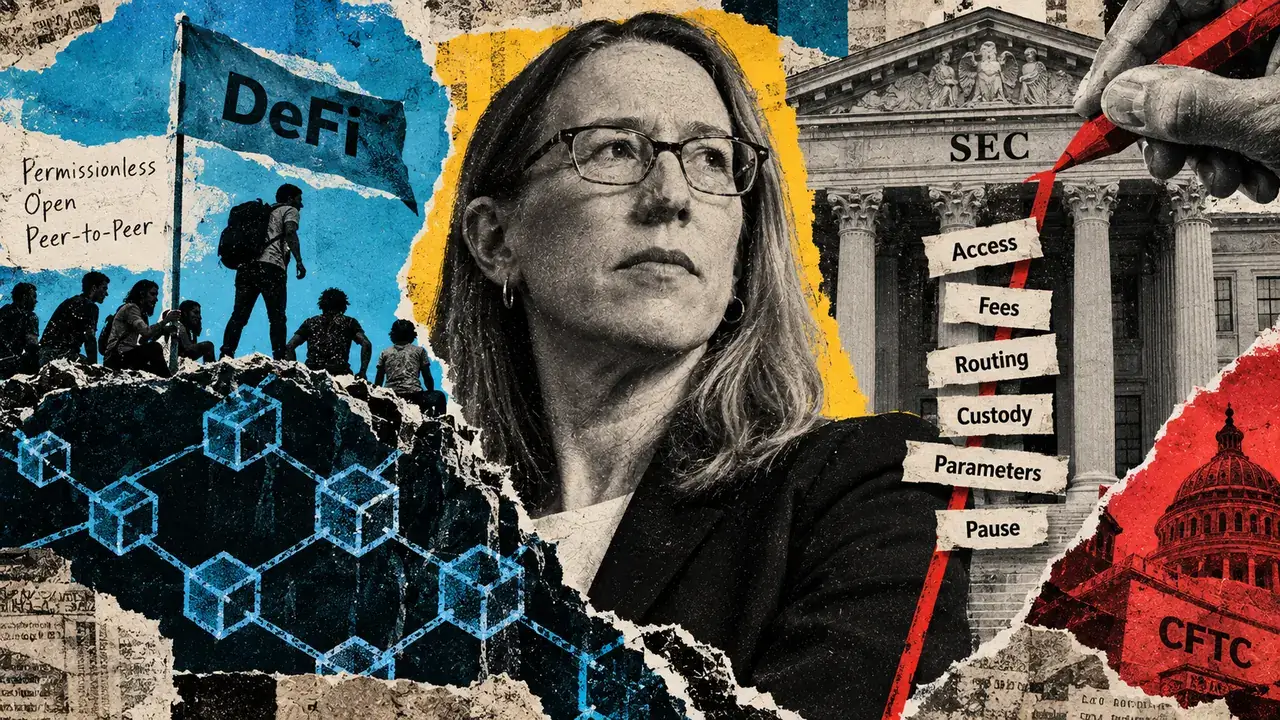
Why truly decentralized DeFi needs no legal exemption according to SEC Commissioner Hester Peirce
SEC Commissioner Hester Peirce drew a sharp line around decentralized finance on Sept. 17. She said investors need no exemption to...

Bitcoin breaks one-year downtrend, analyst says bullish momentum returns
Bitcoin's trend reversal could spark renewed investor confidence, potentially driving significant capital inflows and market momen...
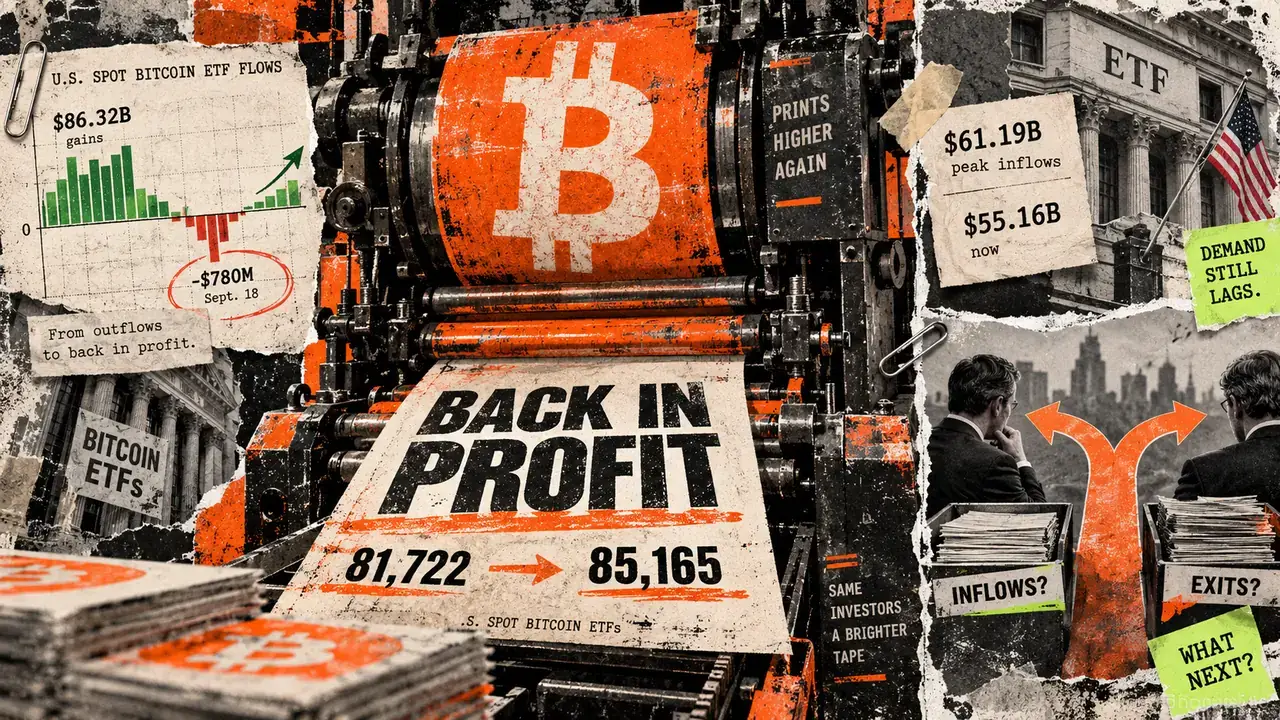
Bitcoin hits $86,000 putting ETF investors back in profit after $86 billion wipeout
Bitcoin’s rally toward $86,000 has pushed US spot exchange-traded fund (ETF) investors back into profit after months underwater. D...
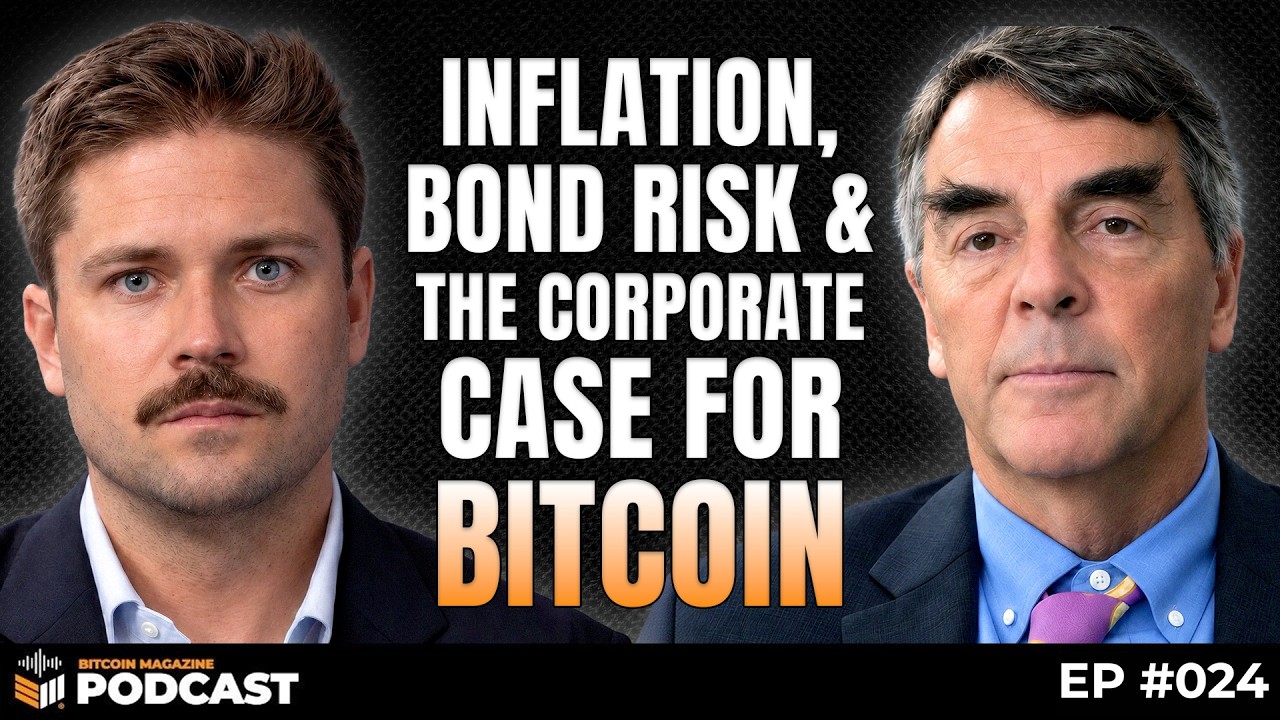
Billionaire Investor Tim Draper: “Irresponsible” for Apple & Meta NOT to Hold BTC
Bitcoin Magazine Billionaire Investor Tim Draper: “Irresponsible” for Apple & Meta NOT to Hold BTC Government spending hasn’t slow...

EU staking review threatens crypto yields and network security could pay the price
Some of the most consequential financial rules begin with surprisingly little text. For example, on page 36 of the European Commis...