Former PayPal President David Marcus Aims to Turn Bitcoin Into a Global Payment Network
In a recent appearance on CNBC's Squawk Box, former PayPal President David Marcus shared his vision for Bitcoin, aiming to transform it into a global payment network. Marcus, who is the CEO of Lightning Network infrastru...
Archive context
Older archive item. Useful for background and entity history, but not a fresh market-moving signal.
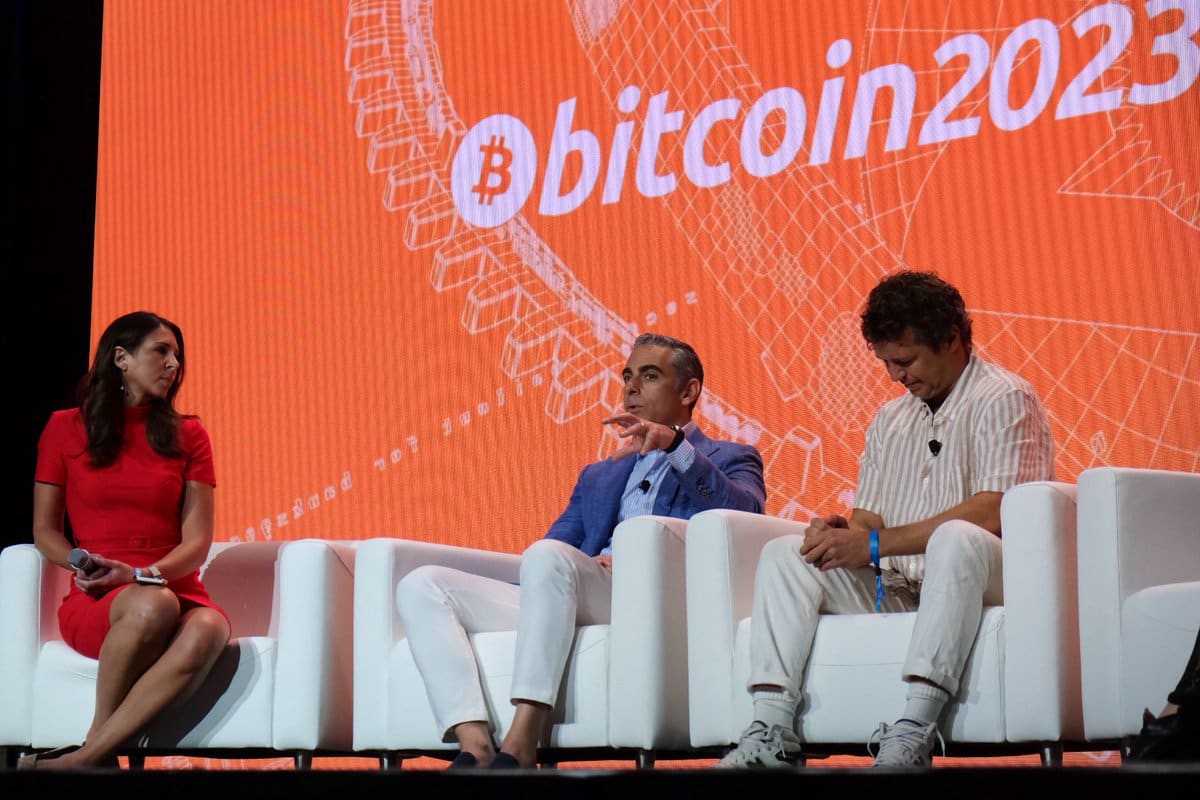
In a recent appearance on CNBC's Squawk Box, former PayPal President David Marcus shared his vision for Bitcoin, aiming to transform it into a global payment network. Marcus, who is the CEO of Lightning Network infrastructure company Lightspark, emphasized the importance of expanding Bitcoin's utility beyond just a store of value.
During the interview, Marcus highlighted the significant strides Bitcoin has made over the past decade, evolving from an obscure digital currency to a recognized store of value and hedge against inflation. However, he argued that Bitcoin could play a much broader role in the global financial ecosystem.
Marcus proposed that Bitcoin has the potential to become a truly global payment network, similar to PayPal but operating on the decentralized Bitcoin network. He emphasized the need for Bitcoin to evolve further, offering faster, cheaper, and more efficient transactions, making it accessible to a broader audience.
David Marcus is helping lead the charge to expand Bitcoin's utility in this area. In his current role as CEO of Lightspark, he has committed "to doing whatever it took" to realize the full potential of the Bitcoin Lightning Network. "Because it’s time for the world to have a universal open protocol for payments," Marcus continued.
Though, scaling Bitcoin into a massive global payment network is not without challenges. Bitcoin's scalability issues has had its long-standing concerns. However, ongoing technological developments, such as the Lightning Network, aim to address these issues and enhance Bitcoin's capabilities.
Regulatory hurdles also pose a significant challenge. Governments around the world are scrutinizing the Bitcoin industry, with varying degrees of acceptance and regulation. Marcus acknowledged the importance of working with regulators to ensure the compliance and legitimacy of Bitcoin as a global payment solution.
While significant challenges lie ahead, including technical and regulatory hurdles, the idea of Bitcoin serving as a decentralized, efficient, and widely accepted means of payment holds the potential to revolutionize the financial industry, making transactions faster and more accessible on a global scale.
Why this matters
This bitcoin story adds another data point to the current market tape and is useful when read alongside nearby source coverage.
Original source
Read on Bitcoin MagazineRelated market context
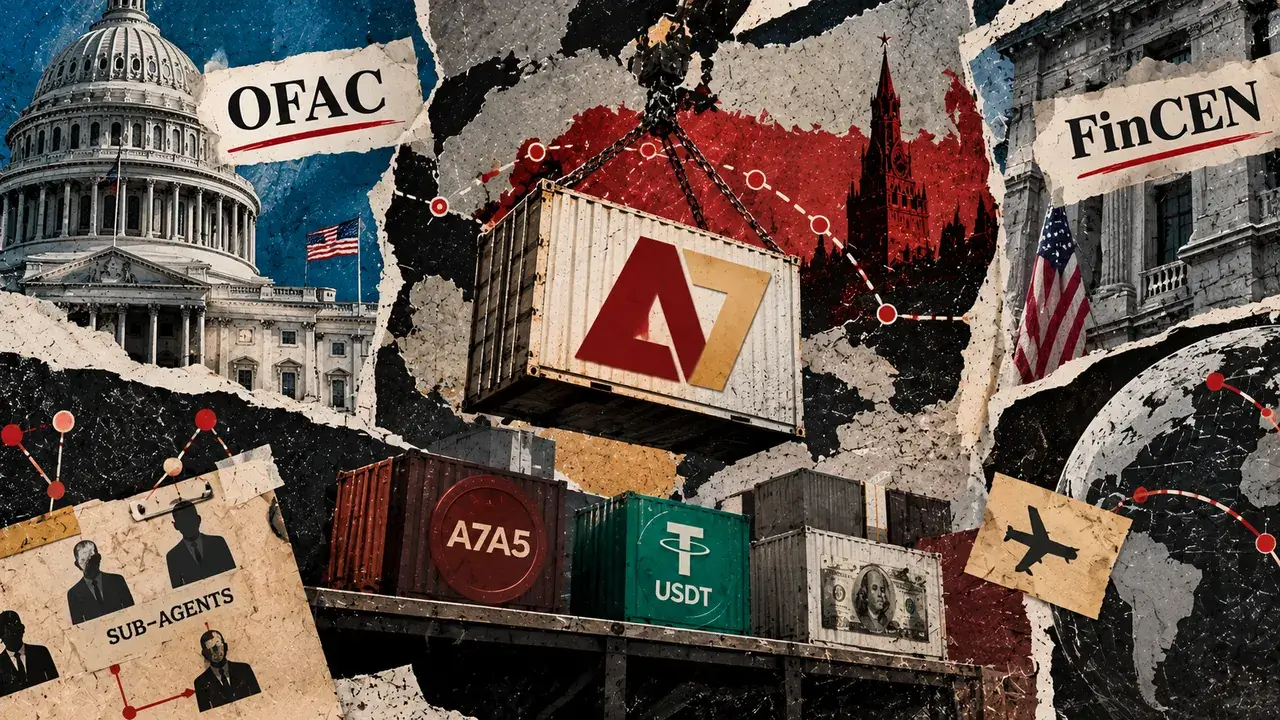
US targets $17 billion Russia-linked crypto payment network using USDT as an escape route
The US sanctioned the Russia-linked A7 Network and proposed new restrictions to cut its crypto intermediaries off from global mark...

Visa Says Business Payments Now Drive 17% Of Stablecoin-Linked Card Volume
TL;DR Visa says roughly 17% of its stablecoin-linked card volume in fiscal 2026 year-to-date came from business and commercial car...
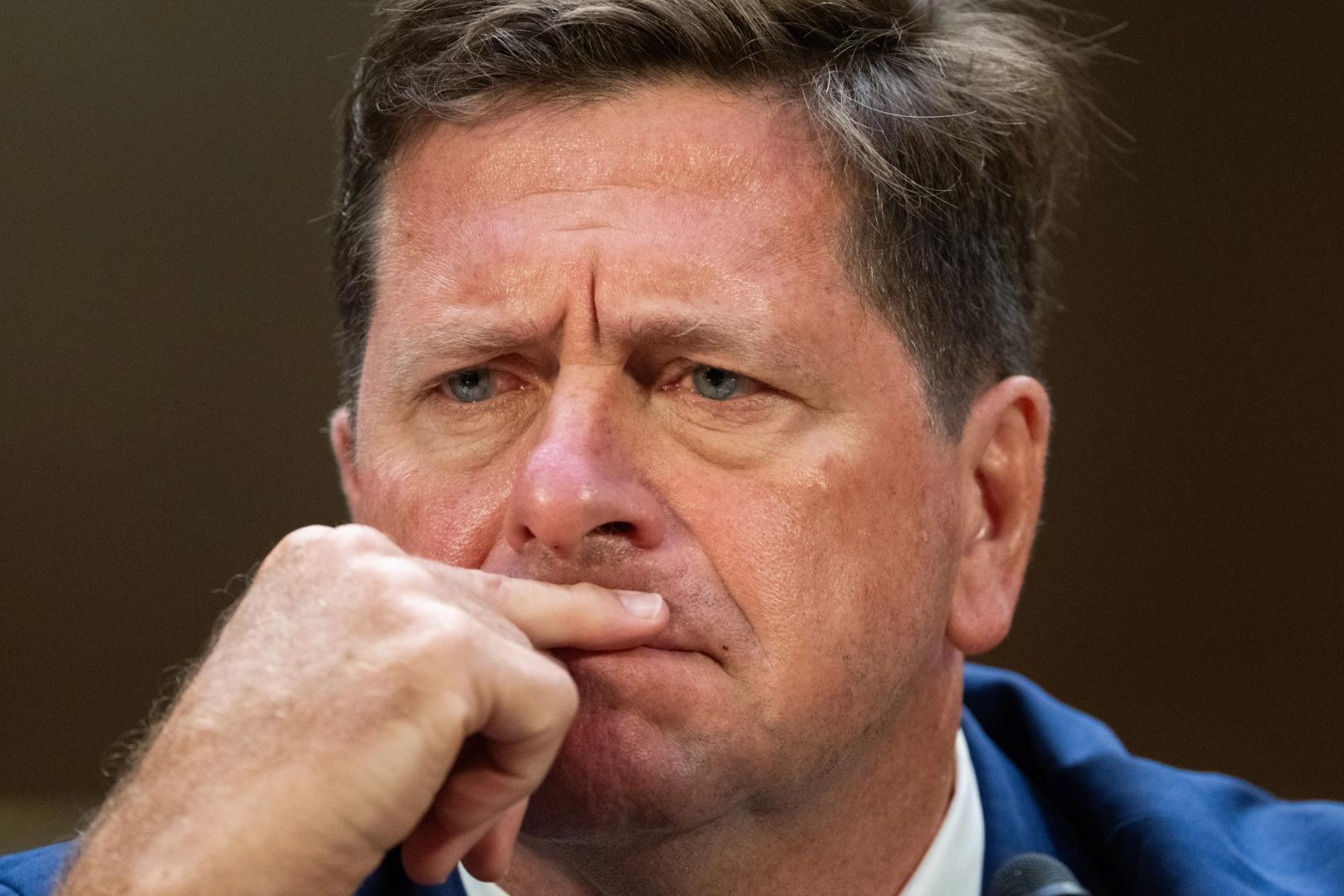
Trump’s potential AI czar, Jay Clayton, helped pioneer the SEC’s crypto crackdown
The former SEC chairman who may be tapped to oversee the Trump administration's AI work has a potentially divisive history as a wa...
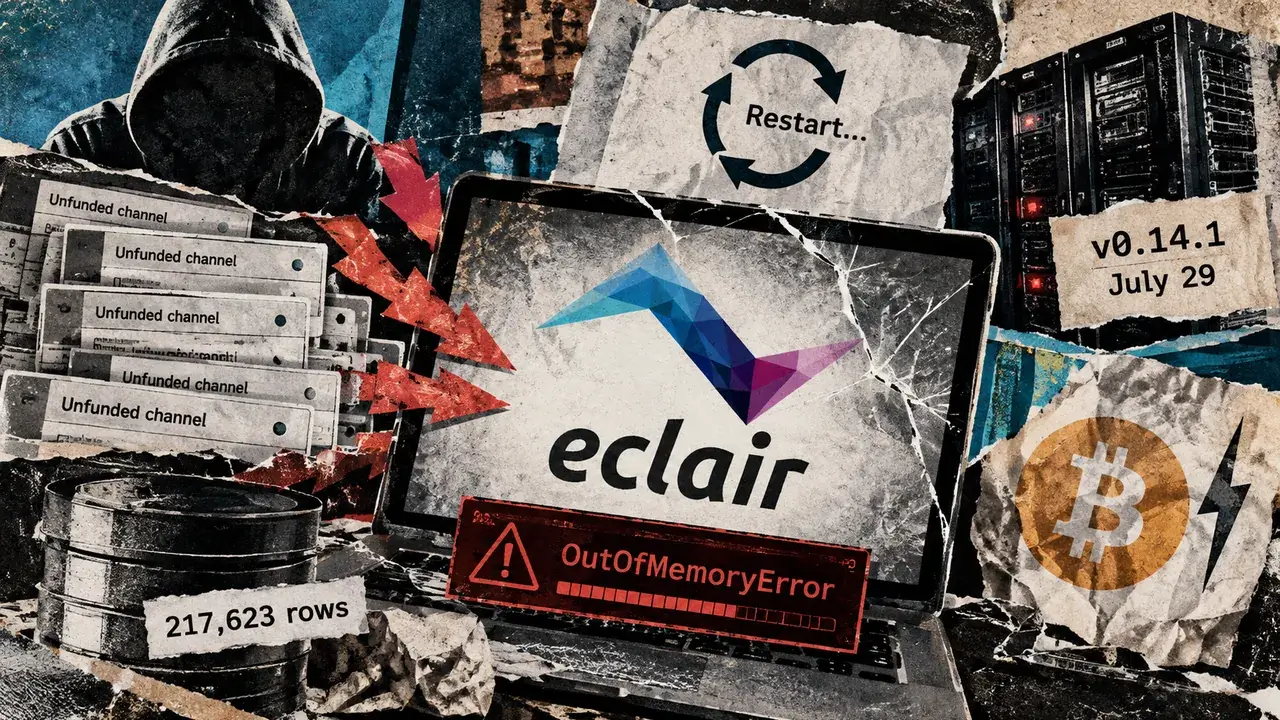
Unpatched Eclair Bitcoin Lightning nodes could crash again every time they restart
A newly disclosed unfunded-channel flaw could leave Eclair, a Bitcoin Lightning implementation, crashing repeatedly without an att...
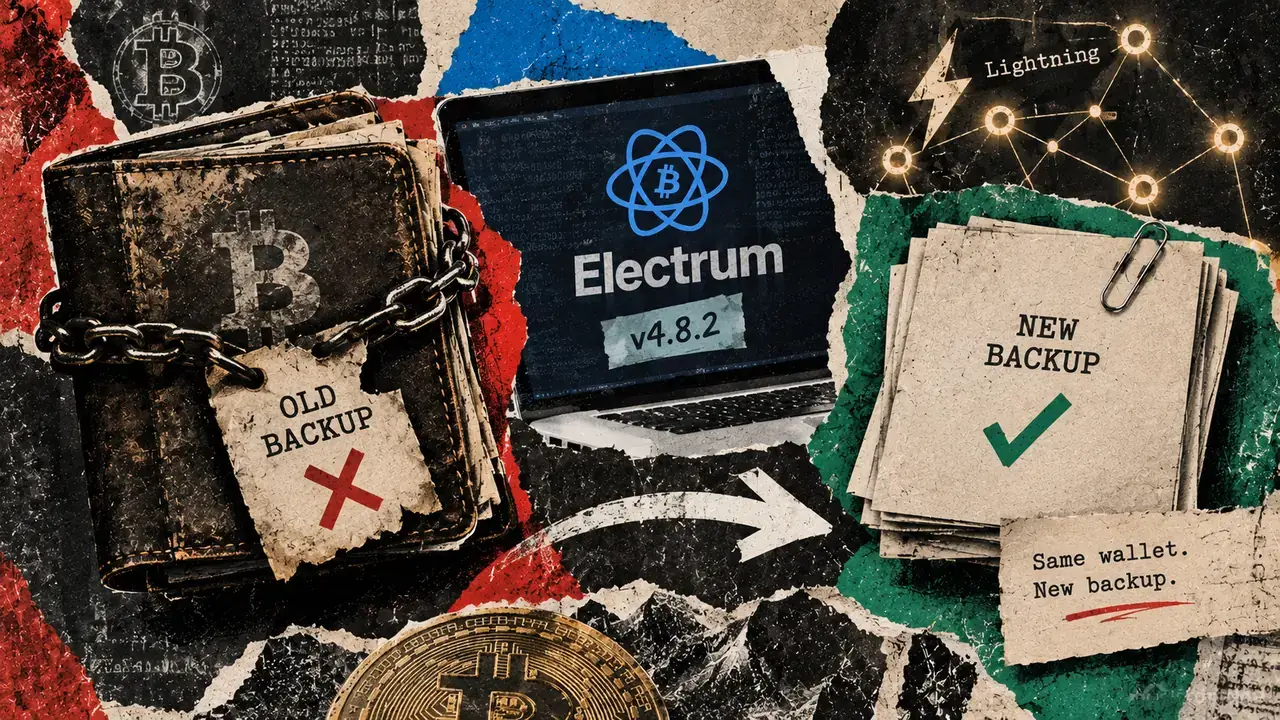
Electrum patches Lightning flaw, but old Bitcoin backups break
Electrum’s latest security update fixes a Lightning backup defect, but some Bitcoin wallet users still need to replace saved backu...
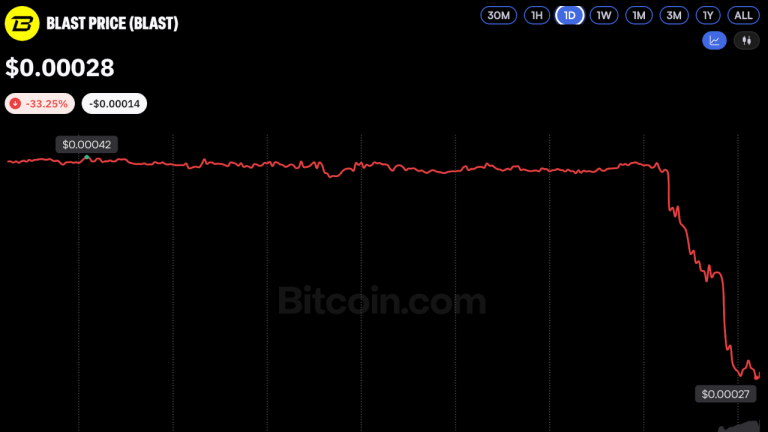
Ethereum Layer 2 Network Blast to Shut Down After Revenue Collapse
Blast, a once-buzzy Ethereum Layer 2 network, is set to shut down later this month after a dramatic decline in activity left the s...