GameStop (GME) Down Bad After Bitcoin News — Here’s The Catch
GameStop (NYSE: GME) suffered a sharp 25% drop yesterday, a sudden downturn that followed a 16% rally on March 26. The catalyst? A bold decision by the gaming retailer’s board to establish a Bitcoin treasury—joining the...
Archive context
Older archive item. Useful for background and entity history, but not a fresh market-moving signal.

GameStop (NYSE: GME) suffered a sharp 25% drop yesterday, a sudden downturn that followed a 16% rally on March 26. The catalyst? A bold decision by the gaming retailer’s board to establish a Bitcoin treasury—joining the ranks of MicroStrategy, Metaplanet, and other corporations. Initially, the news sent GME shares soaring, as investors viewed the move as a bullish signal. However, the stock quickly reversed course and now finds itself in turbulent waters.
Investor optimism over GameStop’s Bitcoin play was palpable at first. The announcement sparked excitement similar to when MicroStrategy began accumulating Bitcoin. Yet the initial rally gave way to heavy selling pressure, erasing nearly $3 billion in market value. While the company has not fully detailed its strategy or timeline for Bitcoin acquisitions, the market’s whiplash response has prompted widespread debate.
GameStop’s ‘Convertible Arbitrage’ FactorOn X, analyst Han Akamatsu offered an explanation rooted in parallels to MicroStrategy’s past financing methods. He began by noting: “Let me explain to you why GameStop is falling today, as far as I understand based on my MSTR experience.”
According to Akamatsu, when MicroStrategy previously issued convertible notes, large institutional buyers used a strategy known as convertible arbitrage: “When MSTR issued convertible notes, institutional buyers used convertible arbitrage: They bought the bonds, shorted MSTR stock to hedge [and] waited for the bond to either convert or mature.”
He emphasized that this process created “artificial short pressure” on the stock—despite MicroStrategy’s own bullish outlook on Bitcoin. Akamatsu then referenced MicroStrategy’s 2021 issuance: “In 2021, MSTR issued $1.05B of 0% convertible notes, the stock dipped after the announcement due to hedging shorts, but later exploded when Bitcoin ripped and the arbitrage unspooled.”
Akamatsu went on to connect these dots to GameStop’s current situation: “GME is following the same blueprint now:Issue $1.3B in 0% convertibles, likely going to buy Bitcoin [and] institutions are now shorting GME to hedge.” He pointed out that if GME or Bitcoin rises substantially, the short positions set up to hedge the convertibles could be unwound en masse: “If GME or BTC goes up a lot, the trade gets very interesting as we have a squeeze opportunity here.”
He further explained the typical ratio of shorts involved: “A common practice is to short 50–70% of the bond’s notional value in stock. They make money on the arbitrage between the bond conversion price and the stock price, even if the stock stays flat or drops.”
Finally, Akamatsu noted that the volume-weighted average price (VWAP) would influence the conversion price: “VWAP pricing window behavior, they’ll want the stock low to get favorable conversion. Conversion price will be based on GME’s VWAP […] from 1:00 PM to 4:00 PM EDT on the pricing day.”
Criticism Over the RiskSome market watchers have criticized GameStop’s board for incurring what appears to be self-inflicted selling pressure. One user on X questioned whether Chairman Ryan Cohen (often referred to by the initials RC) had miscalculated: “Hi Han, great analysis as usual… however, nearly $3bn market value is wiped out today. RC should really ask himself if it is worth it or he miscalculated. The hedge is supposed to mitigate risk in nature. But itself creates much more risk.”
Akamatsu stood by his take, asserting: “Calculated and all going according to plan. If you’re not really into the MSTR playbook, I recommend you to check their strategy.”
In another post, Akamatsu drew comparisons to a setup he observed with Celsius Holdings (NASDAQ: CELH): “GME has a similar pattern with what CELH had when I claimed this was an easy 100% setup.”
He referenced chart analyst Thomas Bulkowski’s work on wedge patterns, hinting that a retracement might offer a buying opportunity: “If GME starts retracing after that solid breakout, textbook Bulkowski says that 7/10 times price tests the wedge again and then has a greater takeoff.”
The analyst reassured traders not to panic if the stock dips further, stressing it could be a standard technical move: “So, if you see GME retrace … don’t panic as this will be normal. You’ll have another chance at a great entry when this tests the wedge again.” He concluded on a hopeful note: “I’m having my fingers crossed this will simply skyrocket.”
At press time, GME stood at $22.30.
Why this matters
This bitcoin story adds another data point to the current market tape and is useful when read alongside nearby source coverage.
Original source
Read on NewsBTCRelated market context
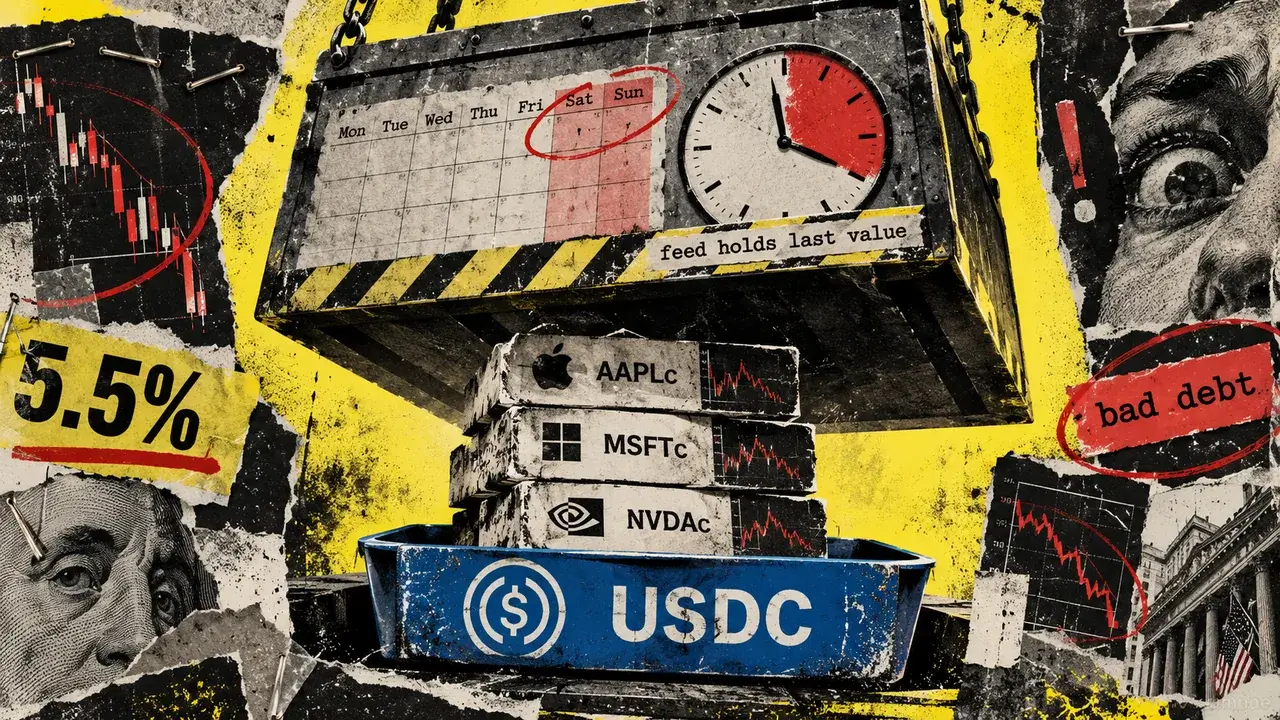
Aave’s live stock-token loans expose USDC lenders to a weekend price gap
Aave's Base market has accepted seven Coinbase stock tokens as collateral for USDC loans since Sept. 25, giving the stablecoin sup...

Bitcoin Treasury Strategy Proposes Daily Dividends For Preferred Stocks
Bitcoin Magazine Bitcoin Treasury Strategy Proposes Daily Dividends For Preferred Stocks Bitcoin treasury company Strategy wants t...

Ethena Starts Backing USDe With Tokenized Stocks on Binance, Its First Equity Basis Venue
Ethena Labs will start backing its USDe synthetic dollar with tokenized U.S. stocks, naming Binance as the first venue for extendi...
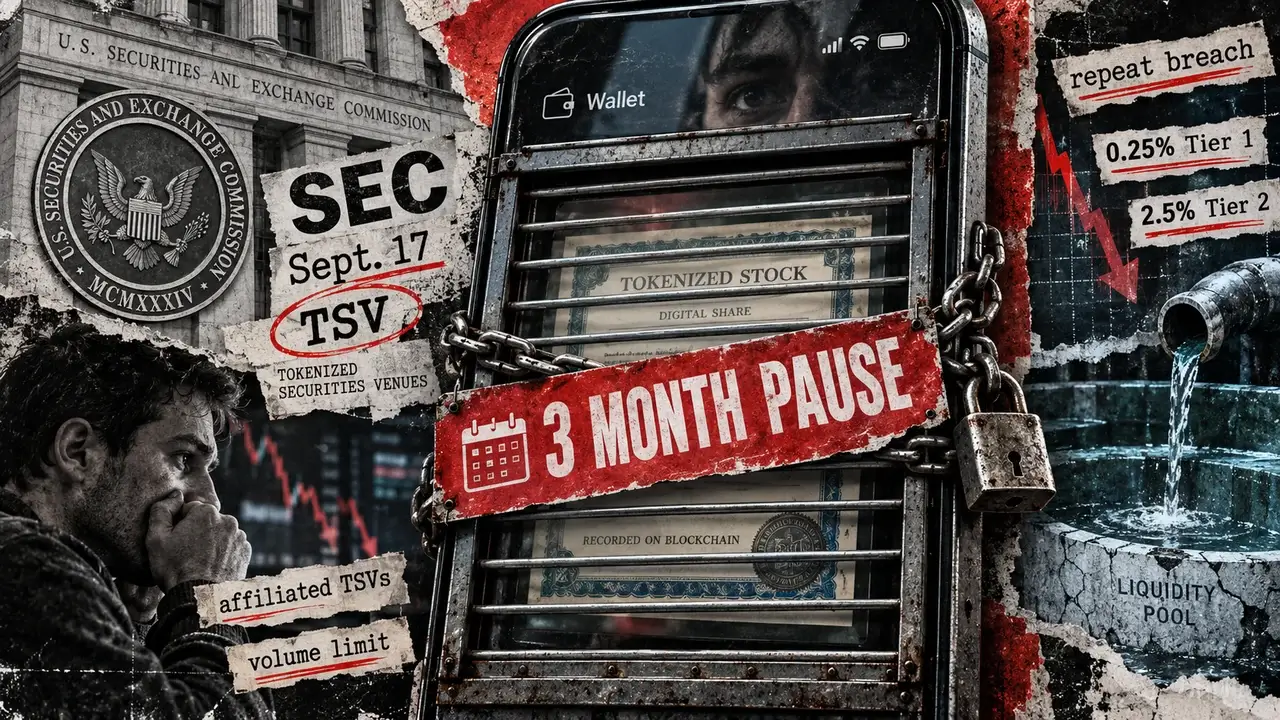
Why your tokenized stock could stop trading for three months
Buying a tokenized stock sounds as though it should be simple. You pick a company you know, buy a token representing its shares, a...

Apple And Nvidia Tokenized Stocks Can Now Back USDC Loans On Aave
TL;DR Aave V4 on Base has launched an Equities Hub accepting seven Coinbase tokenized U.S. stocks as collateral. Eligible non-U.S....
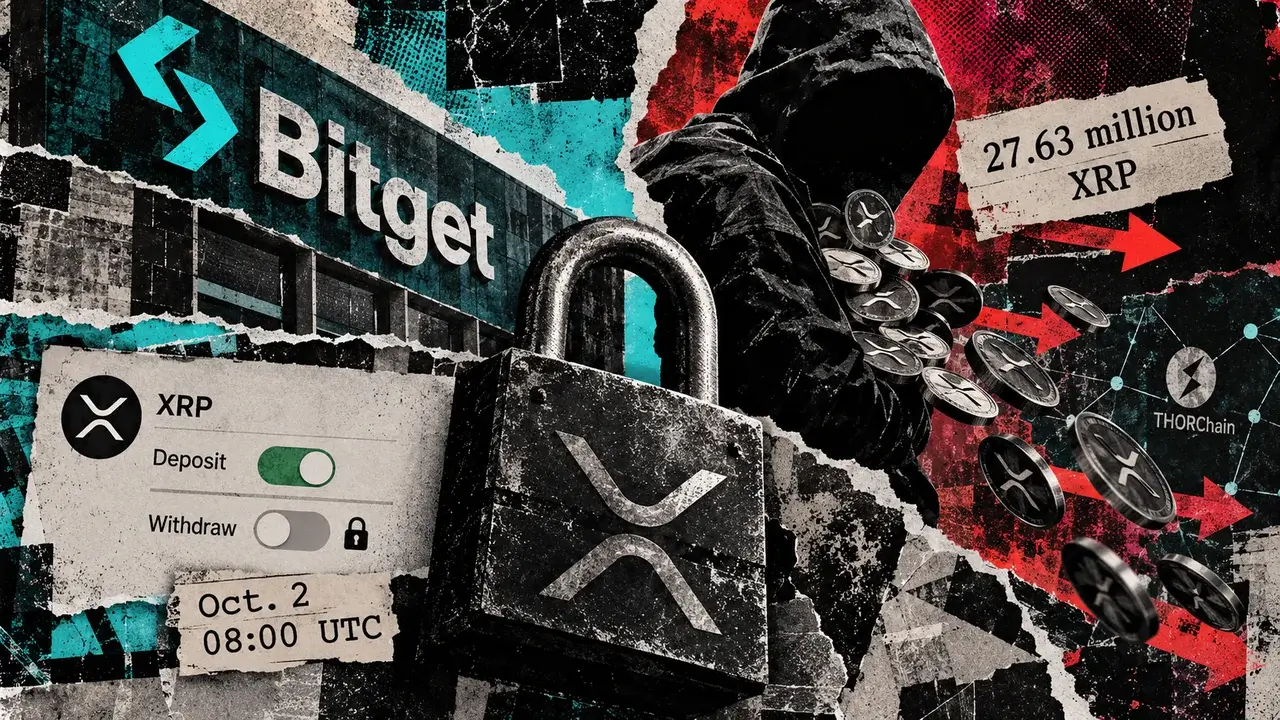
Bitget freezes XRP withdrawals as 27M stolen tokens move
Bitget’s XRP withdrawal route was still disabled on Sept. 26, even as the exchange set Oct. 2 at 08:00 UTC for the last phase of i...