Hardware Wallets: Bitcoin’s Biggest Adoption Barrier
Bitcoin Magazine Hardware Wallets: Bitcoin’s Biggest Adoption Barrier There are roughly half a billion crypto users around the world and, at the most generous estimate, only 2.5% are using hardware wallets. That’s a tiny...
Archive context
Older archive item. Useful for background and entity history, but not a fresh market-moving signal.

Bitcoin Magazine
Hardware Wallets: Bitcoin’s Biggest Adoption Barrier
There are roughly half a billion crypto users around the world and, at the most generous estimate, only 2.5% are using hardware wallets. That’s a tiny number, but I’m relieved it’s not higher.
Why? Because I want people to on-board to Bitcoin by the billion, and I want to see everyone self-custody securely. The consumer hardware wallet industry is one of the biggest obstacles to achieving this goal. And not just to Bitcoin adoption: the whole decentralization revolution is at risk if we don’t address the fatal flaw at the heart of the world’s most popular wallets.
Wallets are treading waterLast year in these pages, Lucien Bourdon celebrated “10 years of the wallet revolution”. There’s a lot I agree with, but one glaring omission. Almost without exception, the ‘leading’ consumer hardware wallets on the market today have barely innovated in a decade. And as every security expert knows, if you’re not constantly advancing, you’re moving backwards.
The problem isn’t simply that new threats are constantly emerging, it’s that Bitcoin use cases are rapidly evolving. Bitcoin and other cryptocurrencies are no longer ‘just’ stores of value; they are now a medium for all kinds of increasingly complex transactions. Yet hardware wallets’ underlying technology is essentially unchanged from the days when their primary utility was as a secure, offline keysafe. It’s the same with UX, with users still expected to write down their seed words and then squint at a tiny screen every time they want to approve a transaction.
This isn’t just a Bitcoin problem. The future of security will see everyone safeguarding our most valuable digital assets and sensitive data with cryptographic keys. In fact, the whole decentralized economy depends on what’s inside these wallets – so let’s take a peek.
Trust, Don’t Verify?Lucien was right to stress that Bitcoin’s strength comes from its commitment to open-source principles. Where I profoundly disagree with him is that open-source has been adopted by “most of the wallet industry”.
The fact is, the leading hardware wallets continue to be built on closed-source, proprietary systems that users cannot fully inspect. If they can’t inspect, they can’t verify; if they can’t verify, why should users take manufacturers’ claims on trust?
I suspect the reason so many hardware wallets remain “black boxes” is because they have something to hide – like the decades-old smart card technology used by so many of the wallets to which bitcoiners entrust their keys. This tech isn’t fit for today’s crypto use cases, and certainly not for a future of decentralized security, where we’ll need keys to safeguard everything from our digital identities to access credentials.
A Barrier to Innovation…and AdoptionHardware wallets’ continued reliance on closed, proprietary systems is not just a security nightmare: it’s also terrible for Bitcoin innovation and adoption.
Today’s wallets are effectively walled gardens, where developers must follow restrictive rules and can’t offer any degree of customization for users. This isn’t just control freakery for its own sake; often, it’s a function of the underlying technology. Devices like Ledger need to give every app access to the master seed; obviously, that means they have to be painstakingly reviewed before they are approved (if they ever are).
If that’s how the App Store worked, we’d still be carrying Nokia 3310s round in our pockets. Instead, we got open ecosystems, a thriving developer community, competition, and a galaxy of brilliant apps.
That’s what I wish for wallets. When developers can build permissionlessly, they will not only deliver novel functionality and enhanced user experience, but will play an essential role in wallets’ evolution to support (and secure) the ever-growing complexity of bitcoin applications.
Wallets should be a hub of innovation, a place for developers to build the killer apps that will compel people to adopt Bitcoin and blockchain-based services. In reality, an ecosystem like Ledger is the “anti-App Store”, holding back decentralized innovation instead of driving it forward.
Open Your WalletThe solution is both simple and essential: transparency. Just as strong encryption relies on publicly tested, open-source algorithms to ensure security, the devices that store cryptographic keys must follow the same philosophy. Open-source hardware and software enable security researchers, developers, and even individual users to audit and verify security measures, reducing reliance on manufacturers’ claims and increasing overall trustworthiness.
Newer, more secure alternatives already exist. Hardware wallets based on open-source microkernel architectures provide a more robust security foundation, allowing independent verification of their safety. These systems ensure that no single company controls the security of users’ cryptographic keys, reducing the risk of hidden vulnerabilities and fostering innovation.
The good news is that only one in 40 crypto users currently owns a hardware wallet. Let’s make sure we give the other 39 a truly secure way to self-custody their digital future – and support the innovation that will attract billions more to adopt.
This is a guest post by Zach Herbert. Opinions expressed are entirely their own and do not necessarily reflect those of BTC Inc or Bitcoin Magazine.
This post Hardware Wallets: Bitcoin’s Biggest Adoption Barrier first appeared on Bitcoin Magazine and is written by Zach Herbert.
Why this matters
This bitcoin story adds another data point to the current market tape and is useful when read alongside nearby source coverage.
Original source
Read on Bitcoin MagazineRelated market context
New Bitcoin proposal rescues locked multisig wallets – At a hidden cost
Bitcoin's BIP138 wallet-backup proposal was merged into the Bitcoin Improvement Proposals repository on Sept. 21, but the specific...

US Charges Man After Crypto Scam Wallets Received More Than $53M
TL;DR U.S. prosecutors have charged a Vietnamese national with money laundering tied to alleged cryptocurrency “pig butchering” sc...
Bitget Confirms $351.6M Hot Wallet Breach And Pauses Withdrawals
Bitget says unauthorized transfers affected approximately $351.6 million held across parts of its hot and warm wallet infrastructu...

Washington has $114 billion reasons to want Tether around
Not that long ago, Washington fined Tether for misleading people about the dollars behind its tokens. Today, the company's insatia...
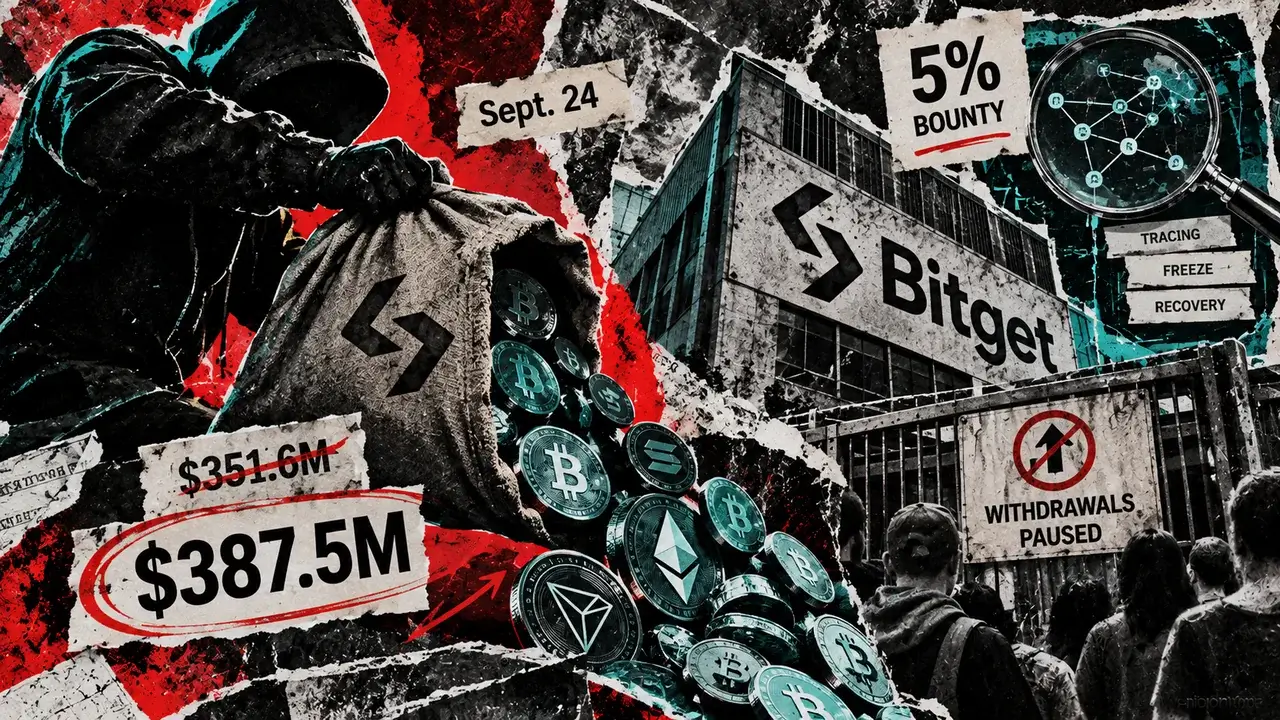
Bitget’s hack just got $36 million bigger, and now there’s a bounty on the stolen crypto
Bitget has raised the estimated value of assets taken in its Sept. 24 breach to $387.5 million as exchanges and security firms mob...
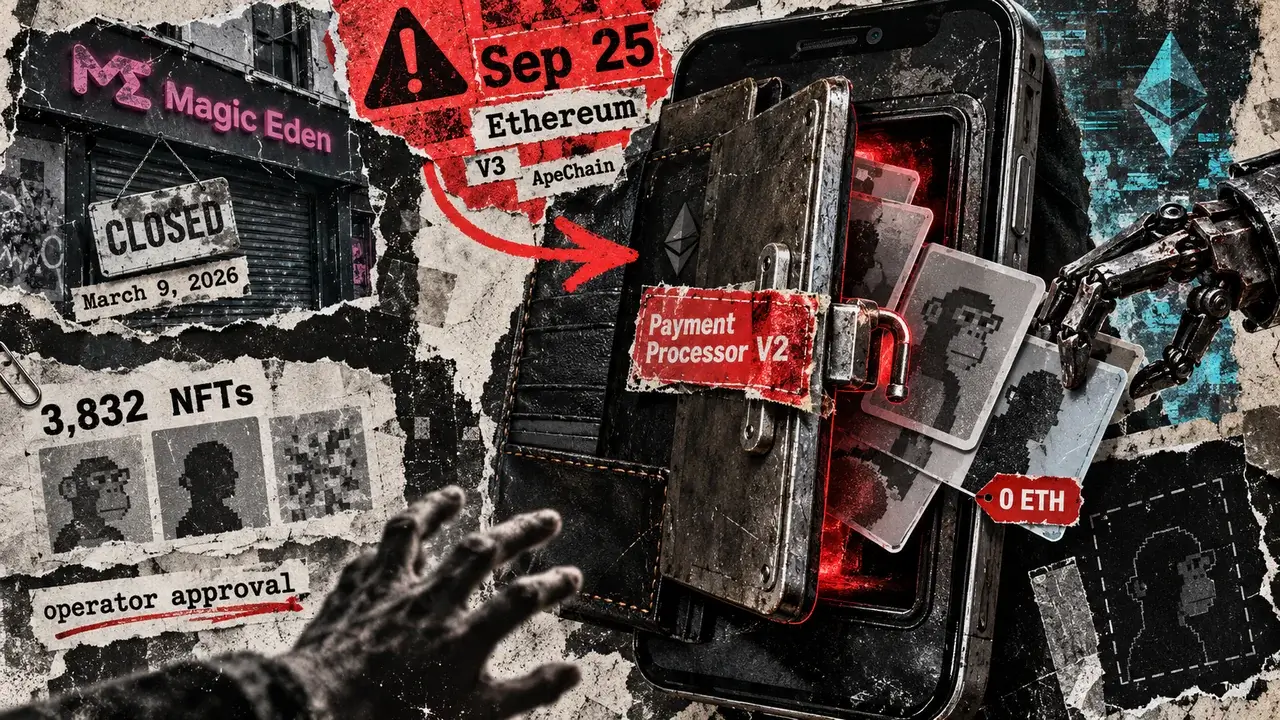
Old Magic Eden NFT approvals put users at risk after whitehat moves 3,832 NFTs
Old Magic Eden NFT approvals could still put some former users at risk months after the company closed its Ethereum marketplace. A...