How Bitcoin Helps Fix Foreign Aid Corruption
Aid intended to help those in developing countries is often siphoned off with ill intent — but bitcoin can help remedy this.Let’s talk about the humanitarian case for bitcoin — specifically, how it solves issues of gover...
Archive context
Older archive item. Useful for background and entity history, but not a fresh market-moving signal.
Aid intended to help those in developing countries is often siphoned off with ill intent — but bitcoin can help remedy this.
Let’s talk about the humanitarian case for bitcoin — specifically, how it solves issues of government corruption and how it improves the effectiveness of foreign aid.
Starting in the mid to late 20th century, western countries began investing heavily in foreign aid. Over the past five decades, wealthy countries have donated more than $4 trillion to poorer countries, with 60% coming from governments and the rest coming from private NGOs, private companies and charitable foundations.
While this charity and showing of altruism is inspiring and does a lot of good, there are many obstacles in the distribution of aid that prevent it from fully achieving its goal.
The first big obstacle is that foreign aid is often distributed by corrupt, autocratic governments. These rulers roll money off the top, giving it to themselves, their friends, and patrons before giving it to their citizens.
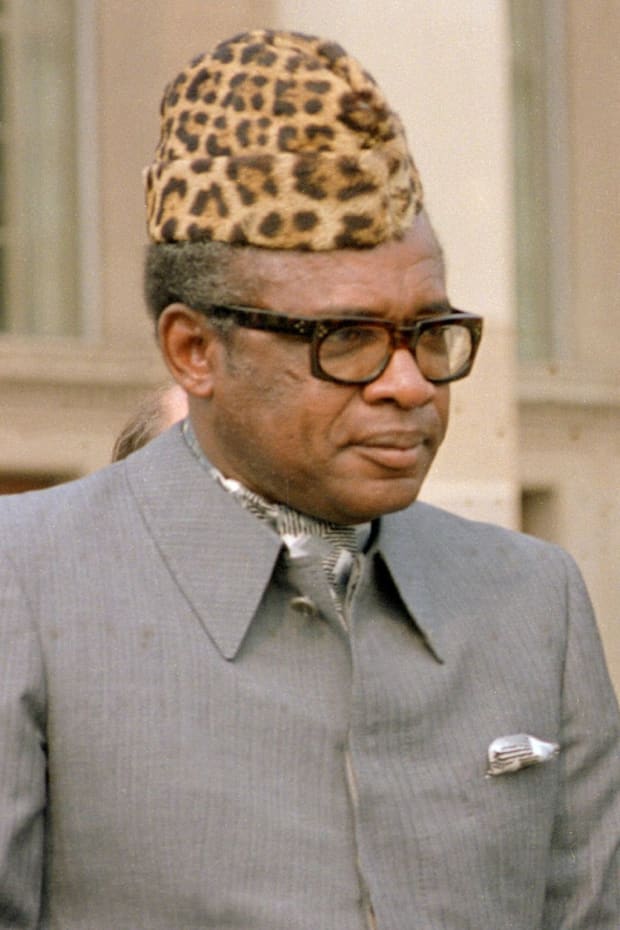
The most brazen case of foreign aid corruption is that of the former president of the Congo, Mobutu Seko.

He stole foreign aid and bought several mansions across Europe and built an airport at his Congolese home, all while his citizens suffered in a deteriorating economy and abject poverty.
And in cases when money is not pilfered illegally, aid can be siphoned off slowly through vast bureaucratic middlemen.
Studies suggest that the leakage rate of foreign aid can range:
“In one Oxfam study, researchers could only verify that 7% of $28 million in U.S. aid meant for Ghana made it to its destination between 2013 and 2015.” - Alex Gladstein.
In other cases, some corrupt, dictatorial governments will block foreign aid, such as the case with countries like Venezuela. Recently, western countries like the United States were supplying aid to revolutionary groups in Venezuela, and in retaliation, the current regime blocked foreign aid to their citizens and shut down the banking system, preventing people from getting the resources they needed.
You May Be Wondering — How Does Bitcoin Fix The Issue Of Foreign Aid Corruption?Well, Bitcoin cuts out the middleman when making transactions. With bitcoin, there is no need for governments or banks. When operating with fiat, money has to transfer between various governments and corporations before reaching the end recipient. And through every third party that handles the transaction, money is taken off the top and is exposed to possible theft. But when we use bitcoin, you can donate money directly to the end recipient peer-to-peer, with no middleman necessary. This is because of the blockchain. Whenever a transaction is made, it is recorded on the blockchain, which then can be accessed by the relevant parties. And the information on the blockchain is stored across a series of computers, keeping everything decentralized.
This decentralized, free system undermines the need for a middleman to manage transactions. As a result, it is impossible for corrupt foriegn governments to interfere with aid meant for the people. So, if you want to donate to the pro-democracy movement in Venezuela, you can do so with bitcoin, without having to worry about the current regime stealing your money.
While the idea of vast government corruption and bank account freezes seem out of the realm for most Americans and western populations, these are problems that billions of people around the world have to endure. Bitcoin is increasingly becoming a beacon of hope for freedom fighters and impoverished communities.
This is a guest post by Siby Suriyan. Opinions expressed are entirely their own and do not necessarily reflect those of BTC Inc. or Bitcoin Magazine.
Why this matters
This bitcoin story adds another data point to the current market tape and is useful when read alongside nearby source coverage.
Original source
Read on Bitcoin MagazineRelated market context
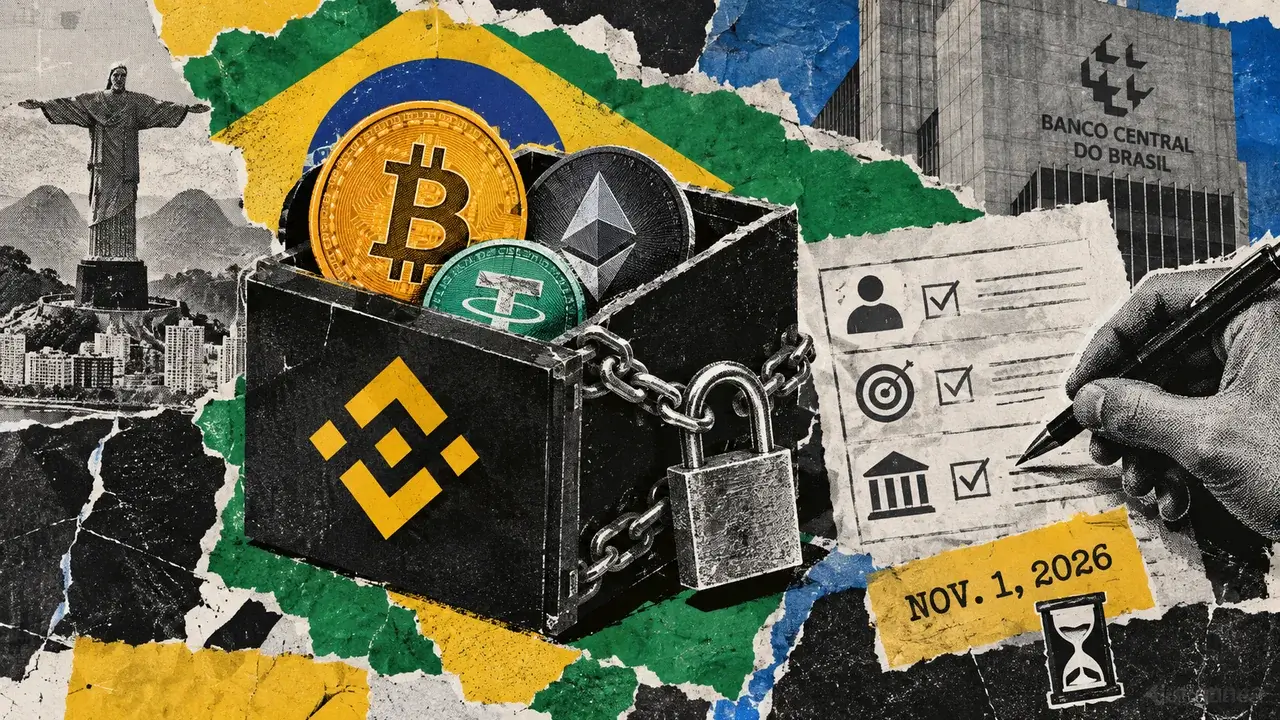
Binance will hold some Brazil crypto deposits until users explain where the money came from
Binance will require Brazilian users to provide additional information for cross-border crypto transfers starting Nov. 1. The exch...
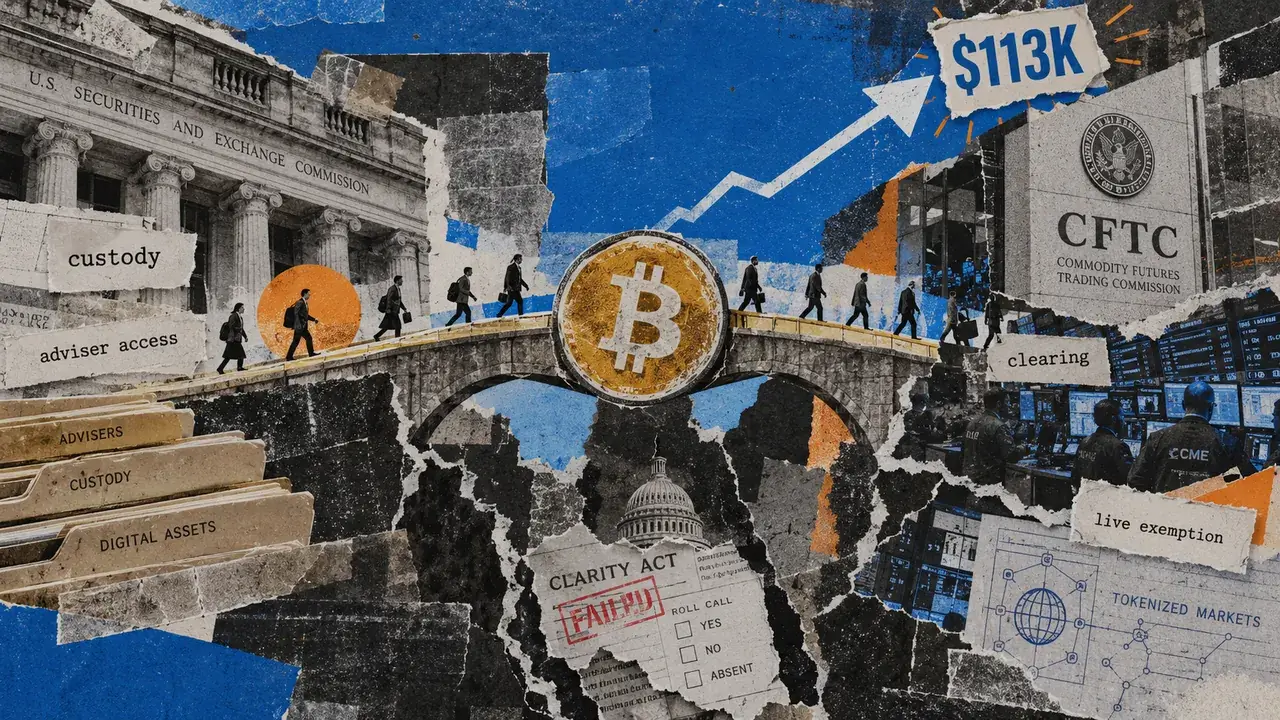
Bitcoin’s $113,000 case strengthens as US regulators push 9 crypto actions
The US Securities and Exchange Commission (SEC) proposed a custody framework on Oct. 1 that would let investment advisers and regu...
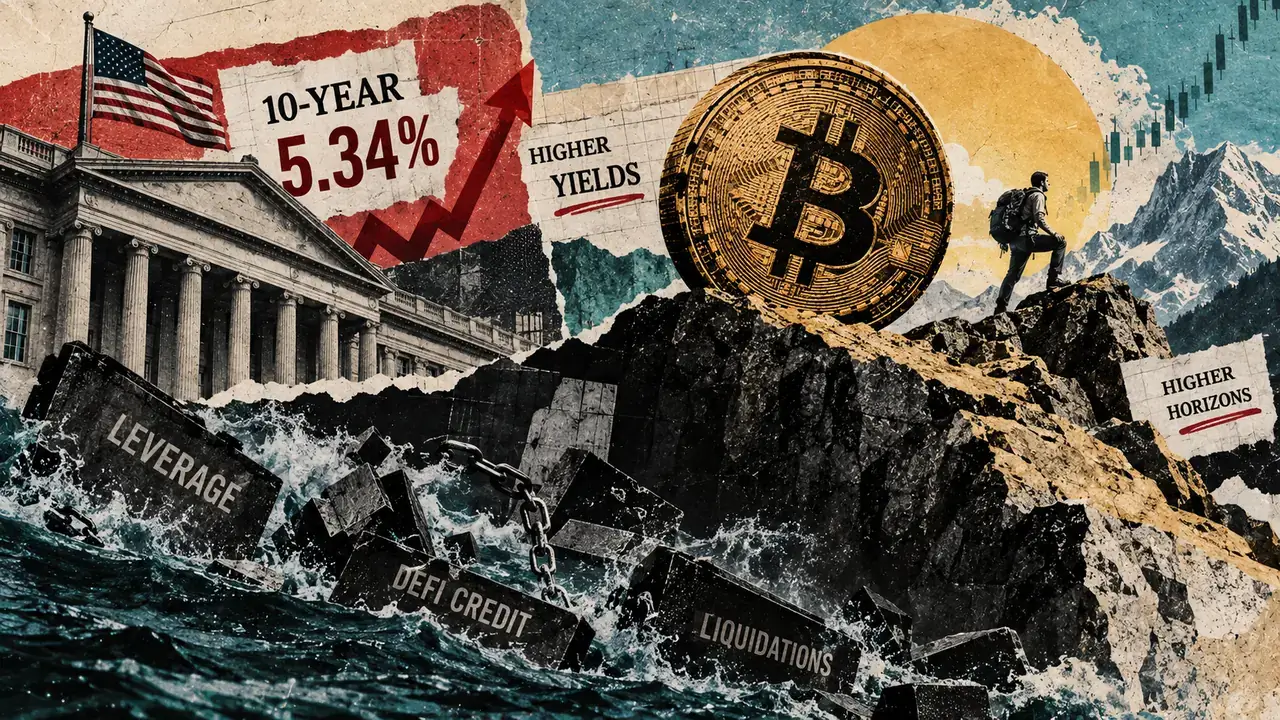
Bitcoin survived 5% yields but crypto’s cheap-money era did not
The US 10-year Treasury yield touched 5.34% on Oct. 1, its highest since 2002, capping a third quarter in which it climbed almost...
SEC Proposes Letting Advisers and Funds Hold Client Crypto When No Custodian Can
The Securities and Exchange Commission proposed rules on Thursday that would let registered investment advisers and regulated fund...

Stripe plans to take its stablecoin card program to over 100 countries
Stripe's global stablecoin card expansion could significantly accelerate digital currency adoption, impacting global payment syste...

FinCEN Withdraws Proposed Crypto Mixer and Unhosted Wallet Reporting Rules
The Financial Crimes Enforcement Network (FinCEN) is withdrawing two proposed crypto rules that would have required banks and othe...