IMF Demands Changes to El Salvador's Bitcoin law: Report
The International Monetary Fund (IMF) is reportedly demanding changes to El Salvador's pro-Bitcoin law, hindering the country's attempts to secure a $1.4 billion credit line as reported by Infobae. NEW: 🇸🇻 IMF reportedly...
Archive context
Older archive item. Useful for background and entity history, but not a fresh market-moving signal.
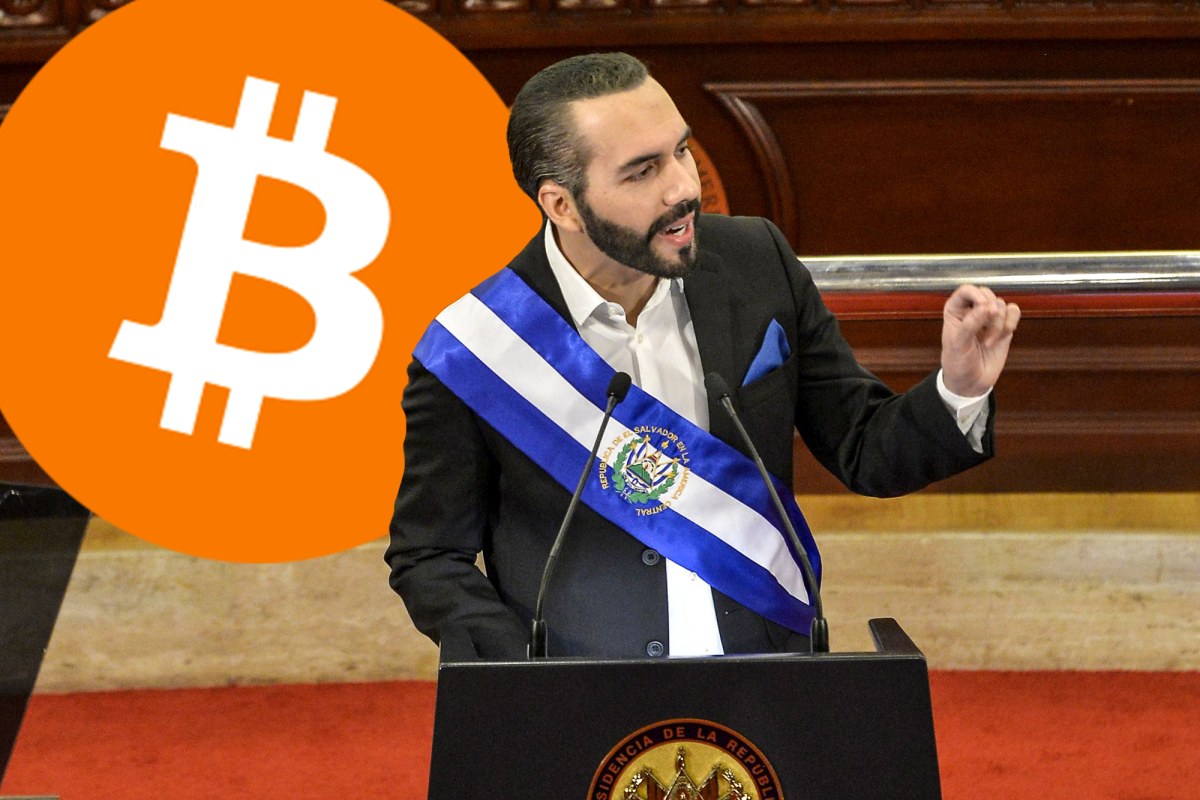
The International Monetary Fund (IMF) is reportedly demanding changes to El Salvador's pro-Bitcoin law, hindering the country's attempts to secure a $1.4 billion credit line as reported by Infobae.
NEW: 🇸🇻 IMF reportedly demands changes to El Salvador's #Bitcoin law for a $1.4 billion aid.
They're scared 🙌 pic.twitter.com/vmqhts5dCY
El Salvador made history in 2021 by adopting Bitcoin as a legal tender under President Nayib Bukele. The country has since bet big on Bitcoin, building Bitcoin reserves, mining BTC, and launching educational initiatives.
However, the IMF has objected to the Bitcoin law amid loan negotiations with El Salvador, which needs financing to pay debts and obligations. Talks have stalled for nearly two years over the IMF's calls to limit Bitcoin's scope in the country.
According to the IMF's communications director Julie Kozack on last Thursday, the "risks" of Bitcoin remain a key issue in discussions with El Salvador. The IMF has previously cited financial integrity and stability concerns about Bitcoin.
The fund's opposition highlights a clash over the future of money and payments. While Bukele sees Bitcoin as an innovative solution for financial inclusion, the IMF remains wary of its volatility and decentralized nature, and a threat to their dominance.
Irrespective of pressures, El Salvador has stood firm on its Bitcoin commitment. The country has invested over $150 million in BTC reserves, continually buying more. Bukele also pledged to purchase 1 BTC daily.
The IMF loan impasse puts El Salvador in a difficult fiscal position. By tying loan access to changes in El Salvador's Bitcoin law, the IMF is exerting its influence over poorer nations. But Bukele seems unwilling to back down on Bitcoin, creating an ideological tug-of-war.
El Salvador's pioneering Bitcoin adoption signaled a shift toward decentralization and self-determination. Demands to roll back the Bitcoin law undermine the country's monetary sovereignty.
The standoff illustrates the disruptive potential of Bitcoin to reshape global finance. While risky for El Salvador in the near-term, Bukele's Bitcoin bet could pay long-run dividends.
Why this matters
This bitcoin story adds another data point to the current market tape and is useful when read alongside nearby source coverage.
Original source
Read on Bitcoin MagazineRelated market context

El Salvador Agrees to Halt Further Bitcoin Accumulation Under IMF Deal
The International Monetary Fund completed El Salvador’s second and third reviews last night, authorizing an immediate disbursement...
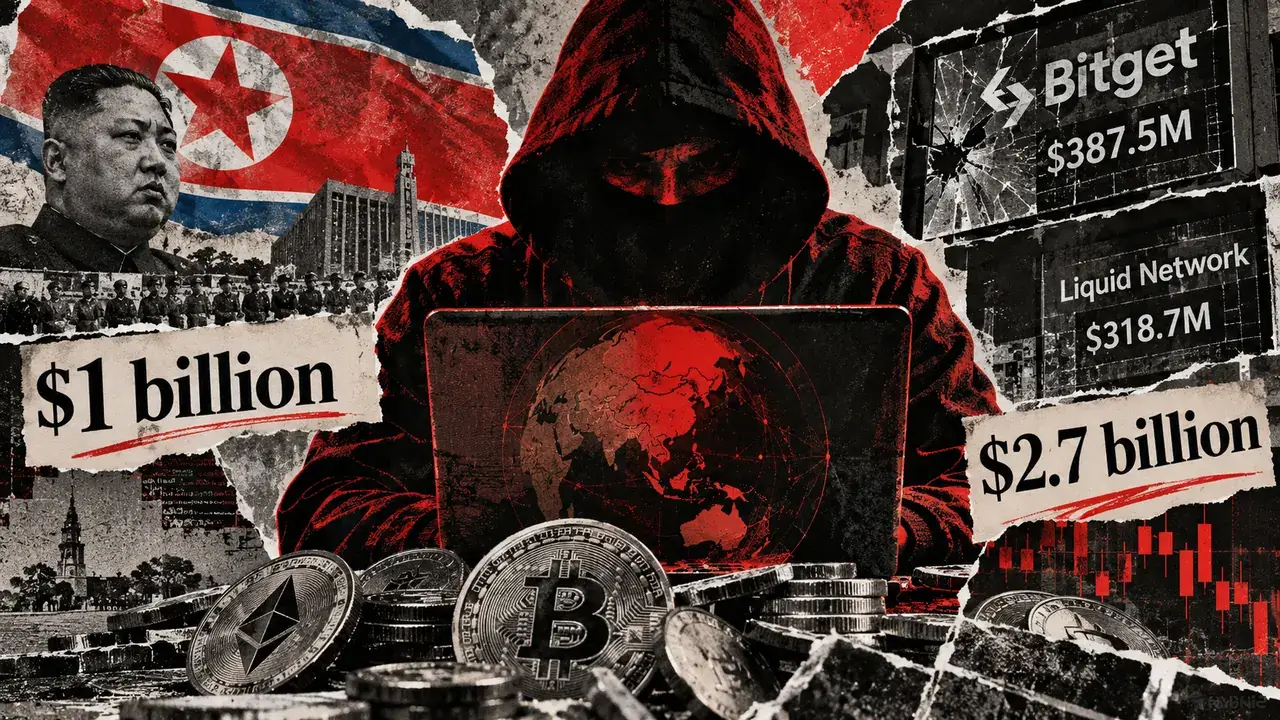
Crypto hackers have taken $2.7 billion in 2026 and the losses are alarmingly concentrated
Crypto firms and users have lost nearly $2.7 billion to security incidents this year, with North Korea-linked thefts exceeding $1...

El Salvador’s economy performs strongly, IMF says, as Bitcoin waiver clears the way for funding
El Salvador's economic resilience, bolstered by strategic policies and IMF support, may inspire other nations to explore unconvent...
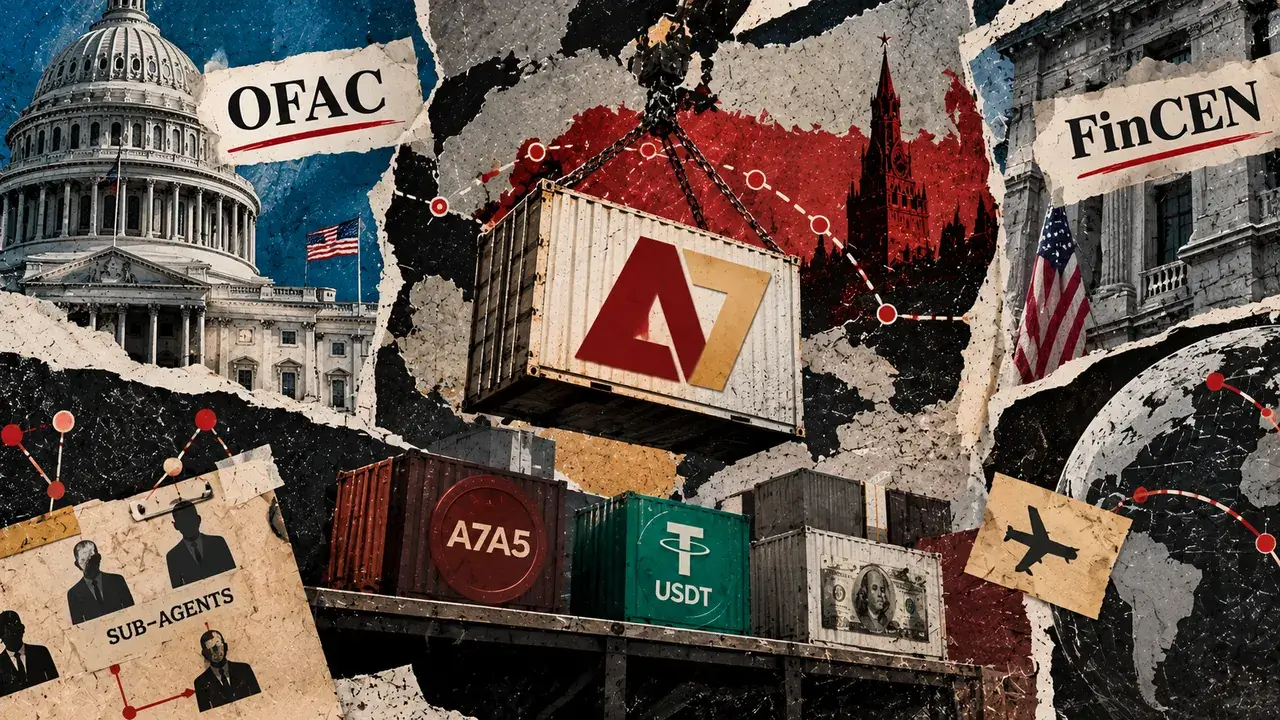
US targets $17 billion Russia-linked crypto payment network using USDT as an escape route
The US sanctioned the Russia-linked A7 Network and proposed new restrictions to cut its crypto intermediaries off from global mark...
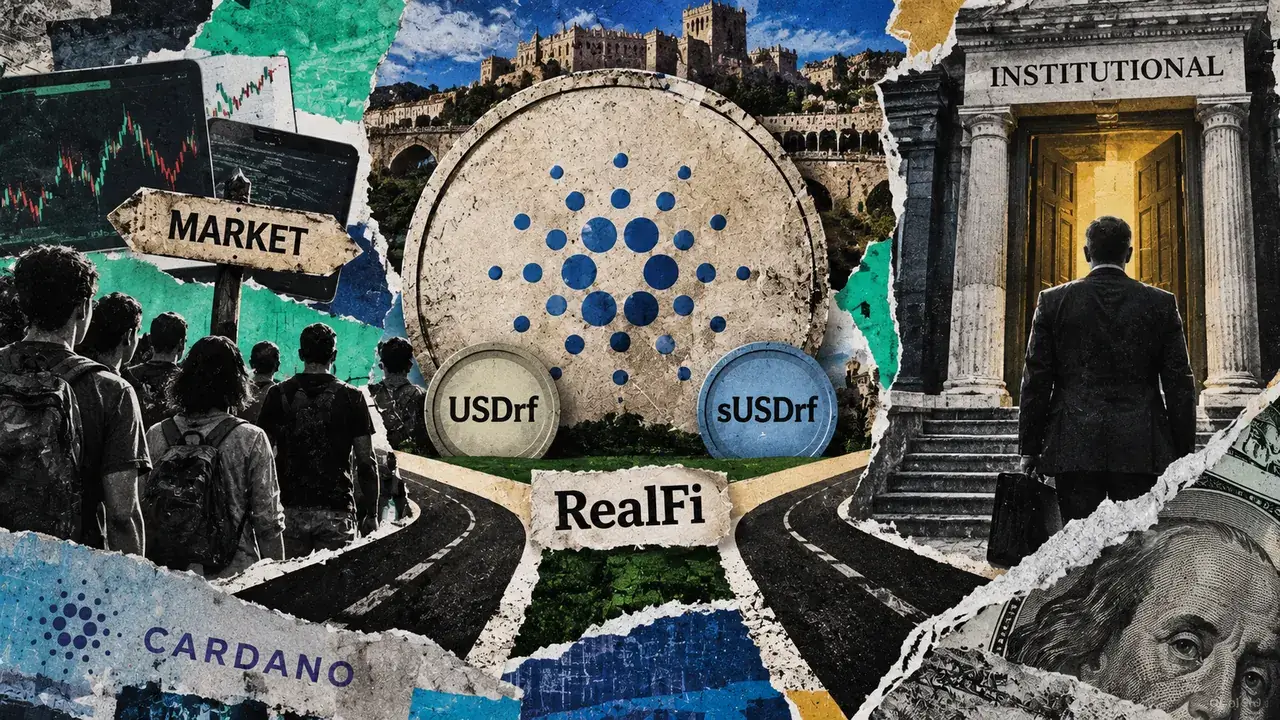
Cardano’s DeFi has shrunk by more than half and RealFi is betting credit can revive it
Cardano’s “bank the unbanked” push went live with RealFi, putting real-world credit behind a new dollar-token system. On Oct. 1, R...
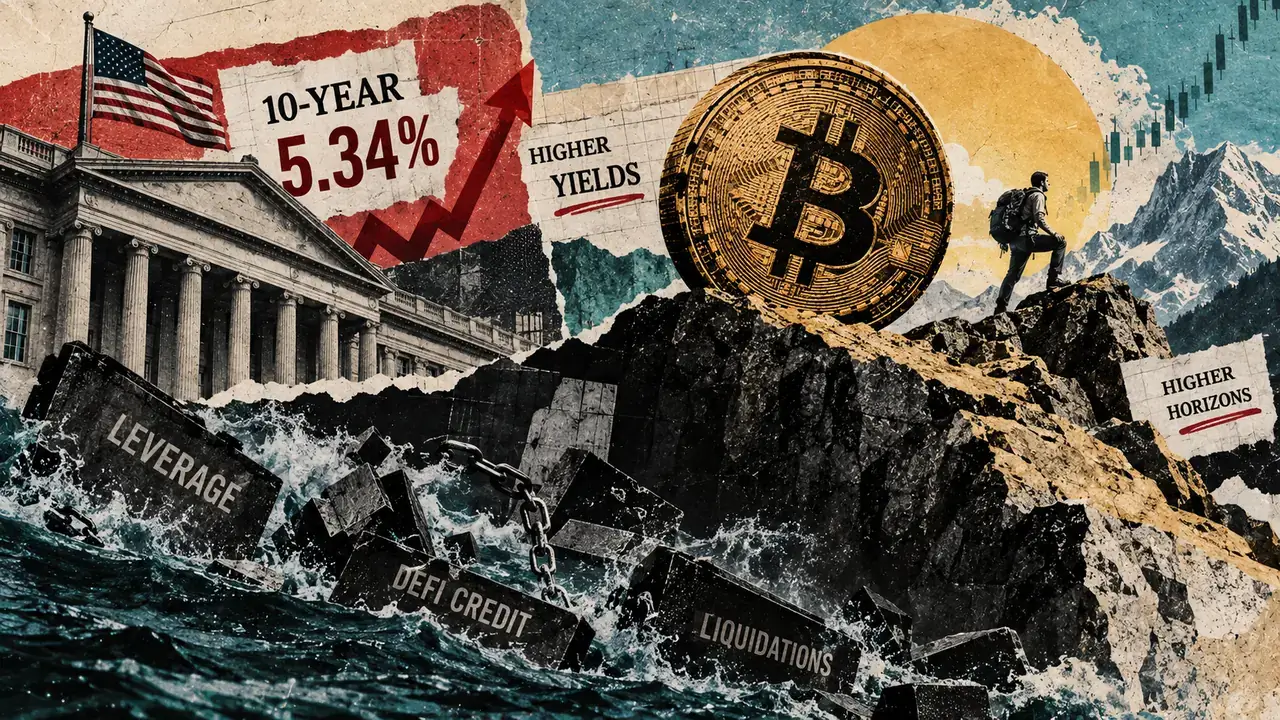
Bitcoin survived 5% yields but crypto’s cheap-money era did not
The US 10-year Treasury yield touched 5.34% on Oct. 1, its highest since 2002, capping a third quarter in which it climbed almost...