India’s Supreme Court Likens Bitcoin Trading to Refined Hawala, Slams Lack of Regulatory Clarity
India’s Supreme Court has sounded a strong alarm on the growing disconnect between the rise of Bitcoin trading in the country and the central government’s sluggish regulatory response. According to a local report, during...
Archive context
Older archive item. Useful for background and entity history, but not a fresh market-moving signal.
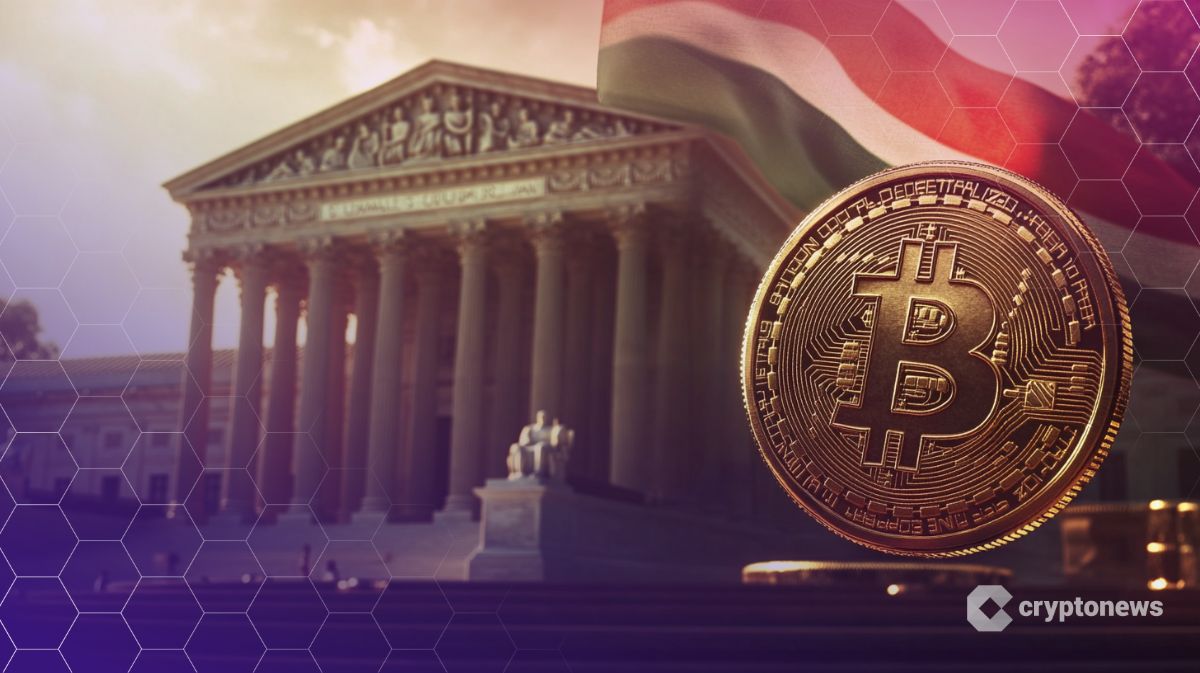
India’s Supreme Court has sounded a strong alarm on the growing disconnect between the rise of Bitcoin trading in the country and the central government’s sluggish regulatory response.
According to a local report, during a hearing on Monday, the apex court likened the unregulated use of Bitcoin to a “refined form of Hawala,” an informal and often illicit money transfer system.
The remarks came during a bail hearing for Shailesh Babulal Bhatt, who has been in custody since August 2023 and is accused of illegal Bitcoin trading.
Quebec provincial police have arrested two additional suspects in connection to the murder of Kevin Mirshahi, a 25-year-old Montreal crypto influencer.#CryptoCanada #Montreal #Quebechttps://t.co/nrFZwrQXgR
— Cryptonews.com (@cryptonews) November 21, 2024A two-judge bench comprising Justices Surya Kant and N Kotiswar Singh questioned why, despite repeated judicial nudges over the past two years, the Centre had yet to provide a coherent policy framework for regulating virtual currencies.
This case and an earlier one in 2022 involving multiple FIRs against an alleged Bitcoin fraudster highlight a pattern of indecision.
While the court reiterated that the legality of Bitcoin trading remains murky in India, senior advocate Mukul Rohatgi argued that the Reserve Bank of India’s previous circular banning crypto services was quashed in 2020. Therefore, his client had not committed a crime.
Justice Kant admitted his limited understanding of Bitcoin but pinpointed a fundamental problem that crypto trading in India is vulnerable to abuse without proper regulation. The judge then compared Bitcoin to money laundering mechanisms such as Hawala.
The bench gave the Gujarat government and the Enforcement Directorate ten days to respond to the bail application and scheduled the next hearing for May 19.
A Court’s Frustration Meets Government DelayThe Supreme Court’s concerns are not new. As early as February 2022, the court had asked the government to clarify whether cryptocurrency trading was legal in India and to outline a roadmap for enforcement.
At that time, the case involved an individual accused of defrauding investors by promising high returns through Bitcoin trading. Yet more than two years later, the executive branch appears no closer to resolving the issue.
In January 2024, the Centre informed the court that a decision on regulating cryptocurrencies was still pending.
Additional Solicitor General Aishwarya Bhati told the bench on Monday that Bhatt’s case involved more than mere Bitcoin trading and required a detailed counter-affidavit.
However, the court’s primary concern lay with the vacuum left by indecisiveness, not just the particulars of Bhatt’s case.
Justice Kant remarked that although he didn’t understand the technology behind Bitcoin in depth, he knew enough to compare the trade to Hawala, precisely because of its opaque and unregulated nature.
Though Bitcoin and other digital assets are not technically illegal in India, the absence of clarity has had real-world consequences.
In 2022, India imposed a 30% tax on crypto trading profits and a 1% TDS (tax deducted at source) on transactions.
Union Budget 2024 Update:
There is not even a single mention of Crypto in the #unionbudget2024
The Indian government did not mention anything related to cryptocurrencies in the union budget 2024-25
which means Tax on Crypto transactions and TDS is unchanged: 30% TAX and 1% TDS… pic.twitter.com/raBT1xWA6M
In March 2023, virtual digital assets were brought under the Prevention of Money Laundering Act (PMLA), and exchanges like Binance and Coinbase have since registered with India’s Financial Intelligence Unit.
However, beyond taxation and AML compliance, there is no comprehensive legislation. In December 2024, the government told Parliament there was no fixed timeline for introducing full-fledged crypto laws.
Crypto’s Rising Popularity Versus Institutional CautionWhile policymakers deliberate, a grassroots crypto boom is underway. In non-metro cities across India, digital assets are gaining traction as both an investment vehicle and a supplemental income source.
Young Indians, particularly, are turning to crypto amid stagnant job growth and low wages.
A growing number of young Indians are turning to crypto trading to supplement their incomes amid stagnant job growth and slow wage increases.#India #Cryptohttps://t.co/usALgiA56j
— Cryptonews.com (@cryptonews) February 25, 2025Reuters recently profiled Ashish Nagose, a 28-year-old flower shop owner from Nagpur who attends crypto trading classes to supplement his income.
After facing difficulties in equity derivatives trading due to new regulations, Nagose turned to crypto as a more accessible option.
This growing interest is translating into significant market activity. According to the report, cumulative crypto trading volumes on India’s top four exchanges doubled to $1.9 billion in Q4 2024.
This surge is attributed to renewed global optimism following pro-crypto moves in the United States and a decentralized shift in Indian investor geography.
CoinSwitch noted that seven of the top ten cities for crypto activity in 2024 were tier-2 cities like Jaipur, Pune, and Lucknow.
Despite this enthusiasm, Indian authorities remain deeply cautious. Even in the face of steep taxation and regulatory opacity, Indian investors are investing in crypto, seeing it as a path to financial inclusion and upward mobility.
The post India’s Supreme Court Likens Bitcoin Trading to Refined Hawala, Slams Lack of Regulatory Clarity appeared first on Cryptonews.
Why this matters
This bitcoin story adds another data point to the current market tape and is useful when read alongside nearby source coverage.
Original source
Read on CryptonewsRelated market context
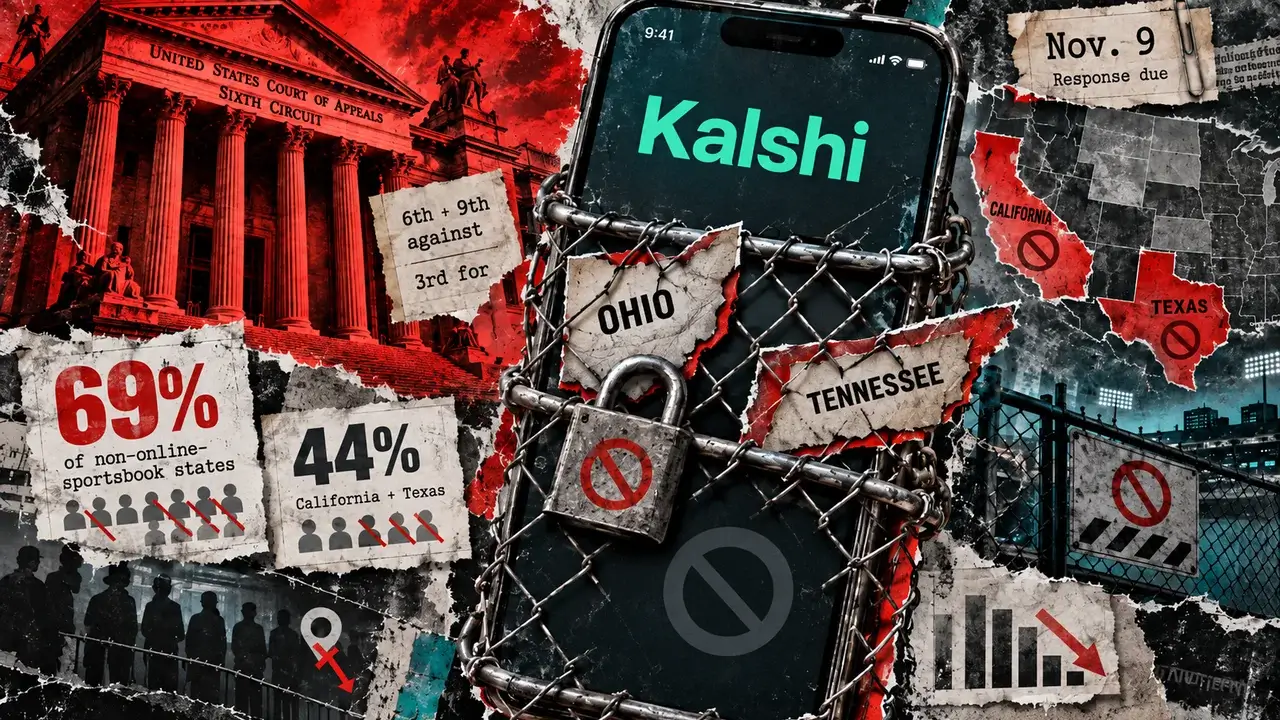
Kalshi must lock out state users after major court loss
The Sixth Circuit ruled Sept. 25 that Ohio and Tennessee can apply their gambling laws to Kalshi's sports contracts. The court rej...
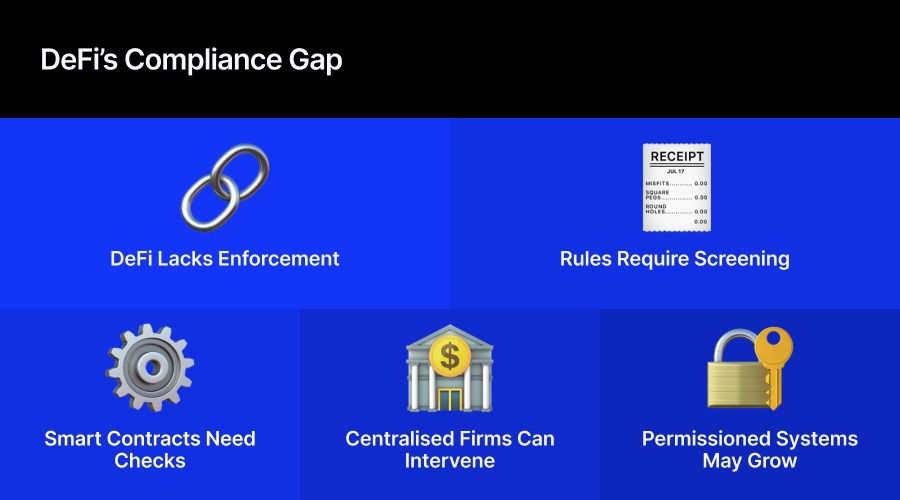
DeFi Was Never Going to Get Its Clarity from US Congress
Last week’s failed CLARITY Act cloture vote will be read as a setback for crypto. That reading misses where decentralized finance...
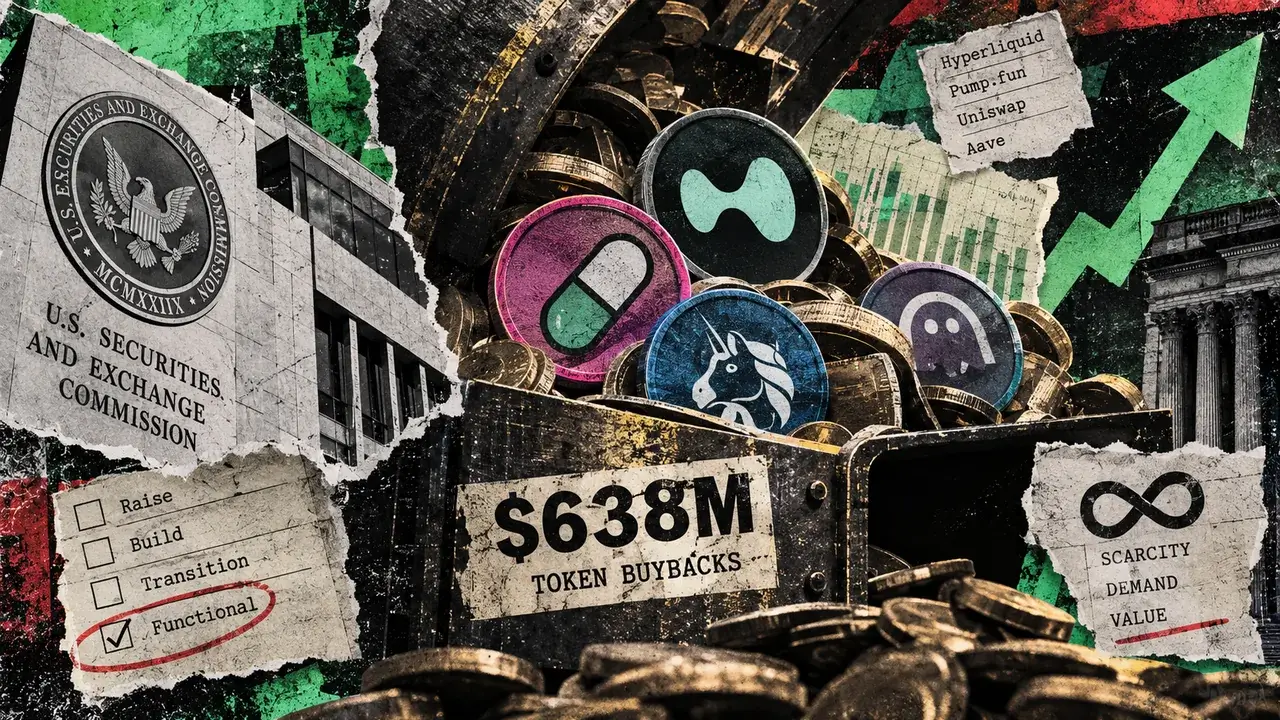
SEC clears regulatory hurdle as crypto token buybacks hit record $638 million
Crypto projects spent about $638 million with token buybacks through late August 2026, according to Allium Labs data. That is alre...

Coincheck Launches 2x Crypto CFDs Six Years After Ending Margin Trading
Japanese cryptocurrency exchange Coincheck has staged a comeback in crypto derivatives more than six years after closing its previ...

XRP News: Ripple’s Multi-Asset Payments Model Predates Resurfaced XRP Remarks
Ripple CEO Brad Garlinghouse said XRP may be the best bridge asset for some cross-border payments, while a stablecoin could solve...
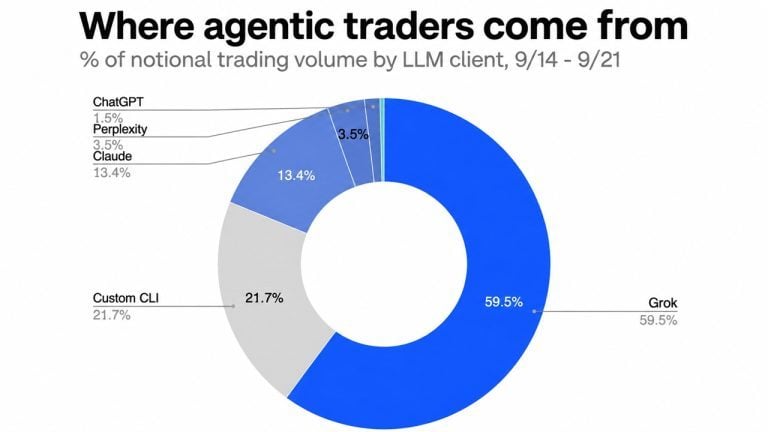
Musk’s Grok Is Out-Trading ChatGPT 40 to 1 Among Coinbase AI Agents
Elon Musk’s Grok placed 59.5% of all AI agent trading volume on Coinbase in the week leading up to Sept. 21, nearly 40 times ChatG...