Mastering Bitcoin On-Chain Data
Bitcoin’s price movements dominate headlines, but the real story of BTC lies beneath the surface. Beyond technical analysis and price speculation, on-chain data offers an unparalleled view of supply, demand, and investor...
Archive context
Older archive item. Useful for background and entity history, but not a fresh market-moving signal.

Bitcoin’s price movements dominate headlines, but the real story of BTC lies beneath the surface. Beyond technical analysis and price speculation, on-chain data offers an unparalleled view of supply, demand, and investor behavior in real time. By leveraging these insights, traders and investors can anticipate market trends, follow institutional movements, and make data-driven decisions.
For a more in-depth look into this topic, check out a recent YouTube video here: Mastering Bitcoin On-Chain Data
Realized Price & MVRV Z-ScoreOn-chain data refers to the publicly available transaction records on Bitcoin’s blockchain. Unlike traditional markets, where investor actions are obscured, Bitcoin’s transparency allows for real-time analysis of every transaction, wallet movement, and network activity. This information helps investors identify major trends, accumulation zones, and potential price inflection points.
One of the most crucial on-chain metrics is Realized Price, which reflects the average cost basis of all BTC in circulation. Unlike traditional assets, where investor cost bases are difficult to determine, Bitcoin provides real-time visibility into when the majority of holders are in profit or loss.
Figure 1: The Realized Price shows the cost-basis for all BTC on the network.To enhance the utility of Realized Price, analysts employ the MVRV Z-Score, which measures the deviation between market value and realized value, standardized for Bitcoin’s volatility. This indicator has historically identified optimal buying zones when it enters the lower range and potential overvaluation when it enters the red zone.
Figure 2: MVRV Z-Score has historically identified market tops and bottoms. Monitoring Long-Term HoldersAnother key metric is the 1+ Year HODL Wave, which tracks Bitcoin addresses that haven’t moved funds for at least a year. A rising HODL wave indicates that investors are choosing to hold, reducing circulating supply and creating upward price pressure. Conversely, when this metric starts declining, it suggests profit-taking and potential distribution.
Figure 3: 1+ Year HODL Wave shows the cyclical nature of BTC holders.HODL Waves visualizes the entire distribution of Bitcoin ownership by age bands. Filtering to new market participants of 3 months or less reveals typical retail participation levels. Peaks in short-term holders typically signal market tops, while low levels indicate ideal accumulation zones.
Figure 4: HODL Waves can show when retail is experiencing FOMO. Spotting Whale MovementsSupply Adjusted Coin Days Destroyed quantifies the total BTC moved, weighted by how long it was held, and standardizes that data by the circulating supply at that time. For example:
- 1 BTC held for 100 days → 100 Coin Days Destroyed
- 0.1 BTC held for 1,000 days → 100 Coin Days Destroyed
This metric is invaluable for detecting whale activity and institutional profit-taking. When long-dormant coins suddenly move, it often signals large holders exiting positions. Historical data confirms that spikes in this data point align with major market tops and bottoms, reinforcing its value in cycle analysis.
Figure 5: Supply Adjusted CDD shows the velocity of BTC transactions. Realized Gains & LossesThe Spent Output Profit Ratio (SOPR) reveals the profitability of BTC transactions. A SOPR value above 0 indicates that the average Bitcoin being moved is in profit, while a value below 0 means the average sale is at a loss. By observing SOPR spikes, traders can identify euphoric profit-taking, while SOPR declines often accompany bear market capitulations.
Figure 6: SOPR shows the real-time realized euphoria and capitulation.Relying on a single metric can be misleading. To increase the probability of accurate signals, investors should seek confluence between multiple on-chain indicators.
For example, when:
- MVRV Z-score is in the green zone (undervalued)
- SOPR indicates high realized losses (capitulation)
- HODL waves show a decline in short-term holders (selling exhaustion)
This alignment historically marks optimal accumulation zones. You should also look for confluence for any planned profit-taking for your BTC holdings, looking for the above metrics all signaling the opposite to outline overheated market conditions.
ConclusionBitcoin’s on-chain data provides a transparent, real-time view of market dynamics, offering investors an edge in decision-making. By tracking supply trends, investor psychology, and accumulation/distribution cycles, Bitcoiners can better position themselves for long-term success.
Explore live data, charts, indicators, and in-depth research to stay ahead of Bitcoin's price action at Bitcoin Magazine Pro.
Disclaimer: This article is for informational purposes only and should not be considered financial advice. Always do your own research before making any investment decisions.
Why this matters
This bitcoin story adds another data point to the current market tape and is useful when read alongside nearby source coverage.
Original source
Read on Bitcoin MagazineRelated market context

Circle Agent Marketplace Brings USDC Payments and Live Data Tools to Arc Blockchain
Key Takeaways: Circle Agent Marketplace now makes services available for AI agents on Arc. Agents have access to live web search,...
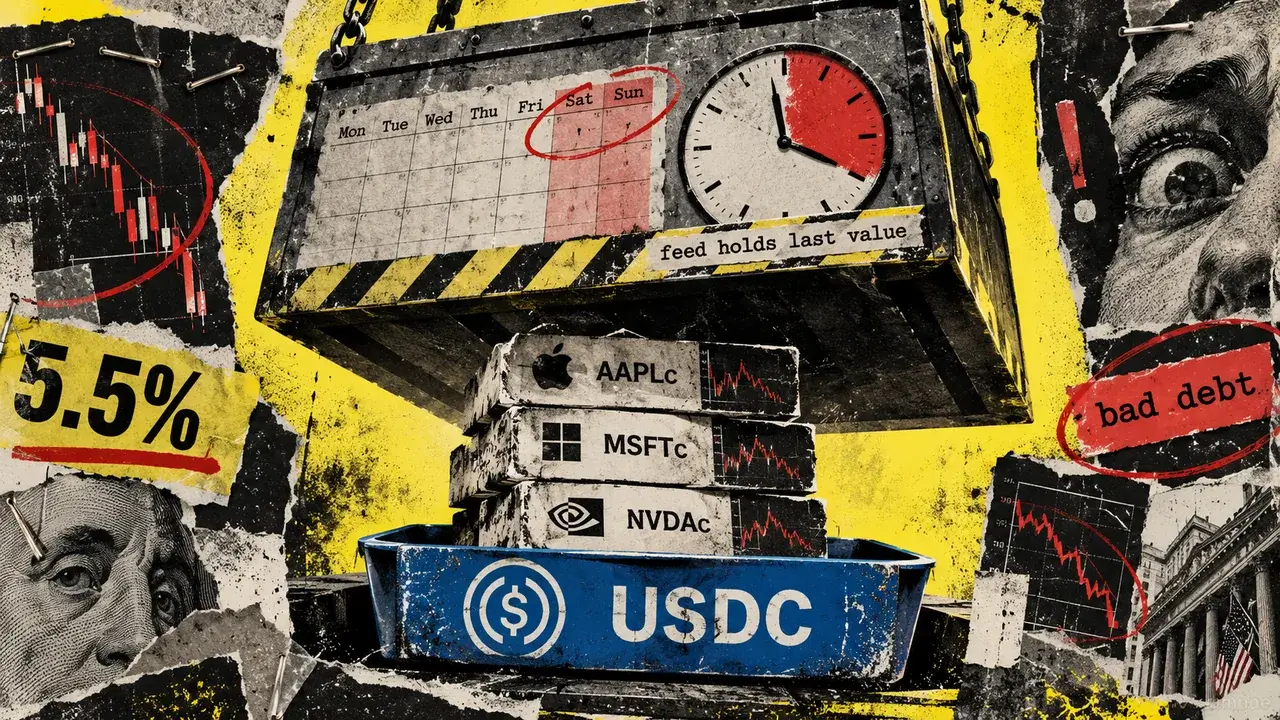
Aave’s live stock-token loans expose USDC lenders to a weekend price gap
Aave's Base market has accepted seven Coinbase stock tokens as collateral for USDC loans since Sept. 25, giving the stablecoin sup...

Trezor Safe 7 Review: The FOSS Self Custody Hardware Wallet
Bitcoin Magazine Trezor Safe 7 Review: The FOSS Self Custody Hardware Wallet Some hardware wallets aim to create air-gapped device...

Quant Crypto Blasts 3x in a Week Following Huge US Bank Deal
Quant crypto has exploded roughly +178% over the last seven days, including an extraordinary +72% daily surge. Quant is quickly be...
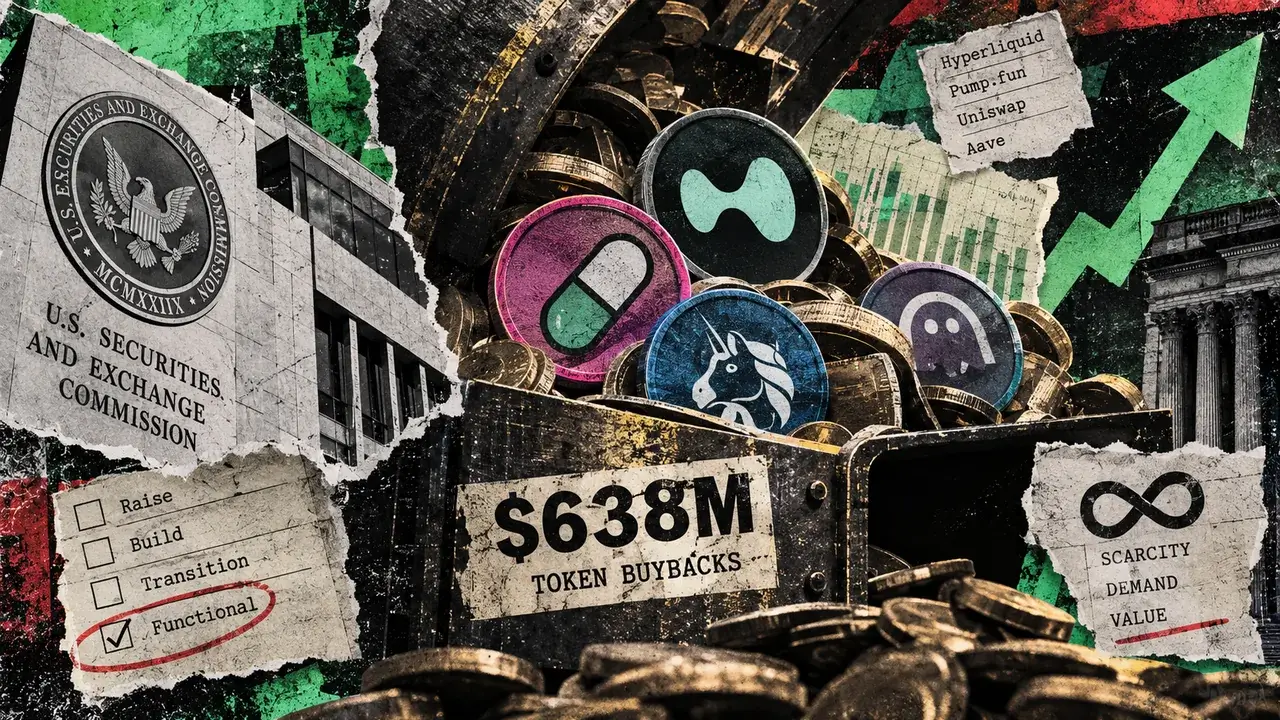
SEC clears regulatory hurdle as crypto token buybacks hit record $638 million
Crypto projects spent about $638 million with token buybacks through late August 2026, according to Allium Labs data. That is alre...

Bitcoin dips below $83,000 to start the week as Asia markets sell, extending last week’s retreat
Bitcoin slipped below $83,000 during Monday's Asia session, moving beneath the lower edge of the $83,000 to $85,000 range reported...