Mexico Won’t Adopt Bitcoin as Legal Tender: President Lopez Obrador
El Salvador's decision to adopt Bitcoin as legal tender set off a wave of political excitement across Latin America, with a growing list of governments in the region enthused about the idea of giving cryptocurrencies a t...
Archive context
Older archive item. Useful for background and entity history, but not a fresh market-moving signal.
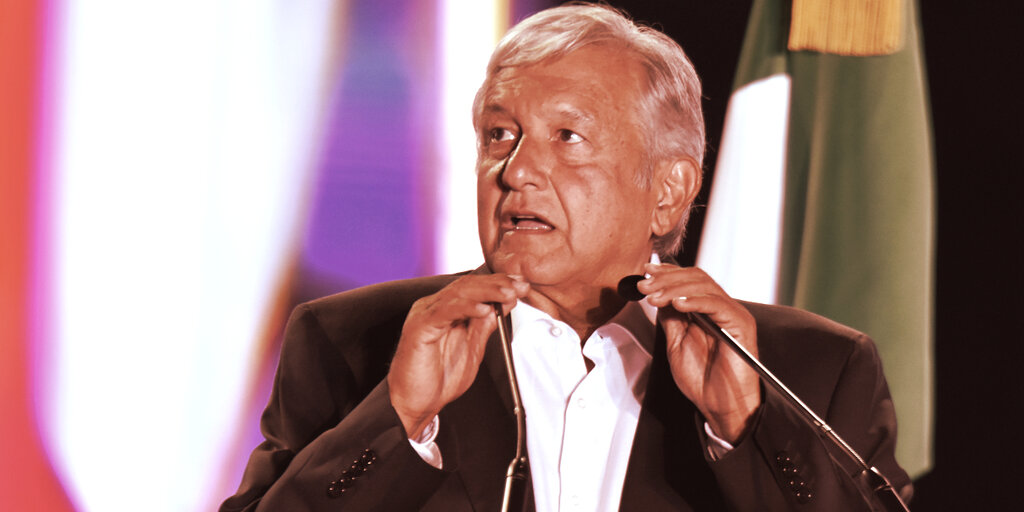
El Salvador's decision to adopt Bitcoin as legal tender set off a wave of political excitement across Latin America, with a growing list of governments in the region enthused about the idea of giving cryptocurrencies a try.
You can scratch Mexico off that list.
In a press conference earlier today, Mexican President Andres Manuel Lopez Obrador ruled out the possibility of his country adopting Bitcoin as legal tender.
"We are not going to change in that aspect. We think that we must maintain orthodoxy in the management of finances [and] not try to innovate much in financial management," the president said in response to reporters’ questions about Bitcoin.
Lopez Obrador said that instead of changing the national financial system to make it Bitcoin-friendly, the government will focus on developing mechanisms to prevent tax evasion. "[We want to make sure] that there are no privileges, that everyone contributes [with their taxes] and that is enough," he said.
Unlike countries such as El Salvador or Venezuela, where crypto adoption plays a geopolitical role, Mexico's president evidentially does not see any need to rock the boat for now: "The truth is that we haven't had a problem in terms of tax collection, and that gives us a lot of peace of mind,'' he said.
While President Lopez Obrador may not see a need for the government to get involved with Bitcoin or other cryptocurrencies, other Mexican politicians disagree.
Mexico’s Central Bank Governor Says Bitcoin Is Not Money
Indira Kempis, a senator for the state of Nuevo Leon, Indira Kempis, recently applauded El Salvador's decision to adopt Bitcoin as legal tender and called for a similar approach in her country. "When will Mexico stop with these digital lags so we can deal with our problems, why El Salvador, which has its conditions, and why not Mexico, which also has similar conditions?" she said during a speech at the Talent Land Digital 2021.
Likewise, Ricardo Salinas Pliego—the third richest man in the country—revealed late last year that Bitcoin makes up 10% of his liquid portfolio. He also said at the time that Banco Azteca, which he owns, was looking to accept Bitcoin—an initiative that the country's Central Bank killed before it was born.
While Mexico may be off the list of countries in Latin America to seek a greater role for Bitcoin in its economies, other nations in the region are pressing forward: In Paraguay, Congressman Carlos Rejala has a bill in the works; Venezuela has passed its "Law of the Integral System of Cryptoassets"; and Brazil is in the midst of discussing the possibility of declaring Bitcoin a “payment currency” in the country.
Why this matters
This bitcoin story adds another data point to the current market tape and is useful when read alongside nearby source coverage.
Original source
Read on DecryptRelated market context
IMF Praises El Salvador — But Still Tries To Scale Back Its Bitcoin Project
Bitcoin Magazine IMF Praises El Salvador — But Still Tries To Scale Back Its Bitcoin Project The International Monetary Fund has p...

El Salvador Agrees to Halt Further Bitcoin Accumulation Under IMF Deal
The International Monetary Fund completed El Salvador’s second and third reviews last night, authorizing an immediate disbursement...
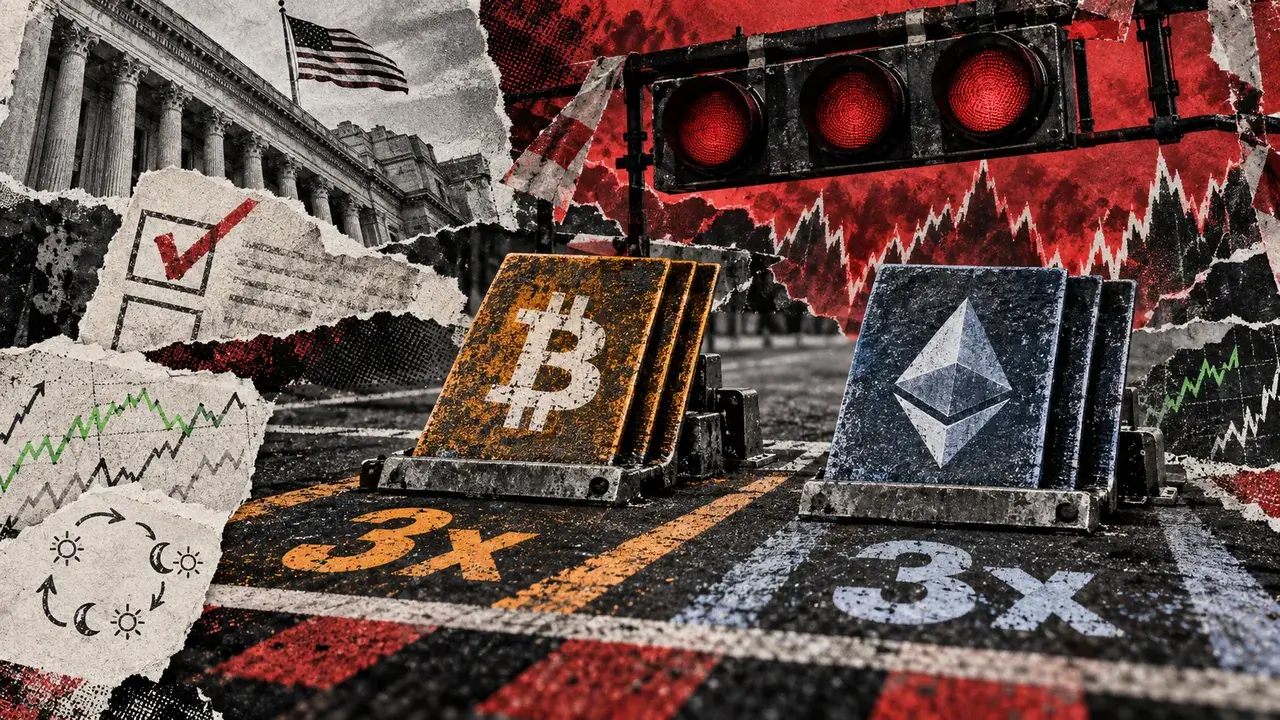
3x Bitcoin and Ether futures funds clear SEC listing hurdle
On Oct. 2, the SEC approved the Cboe BZX exchange’s listing proposal for VS Trust’s 3x Bitcoin ETF and 3x Ether ETF. The decision...
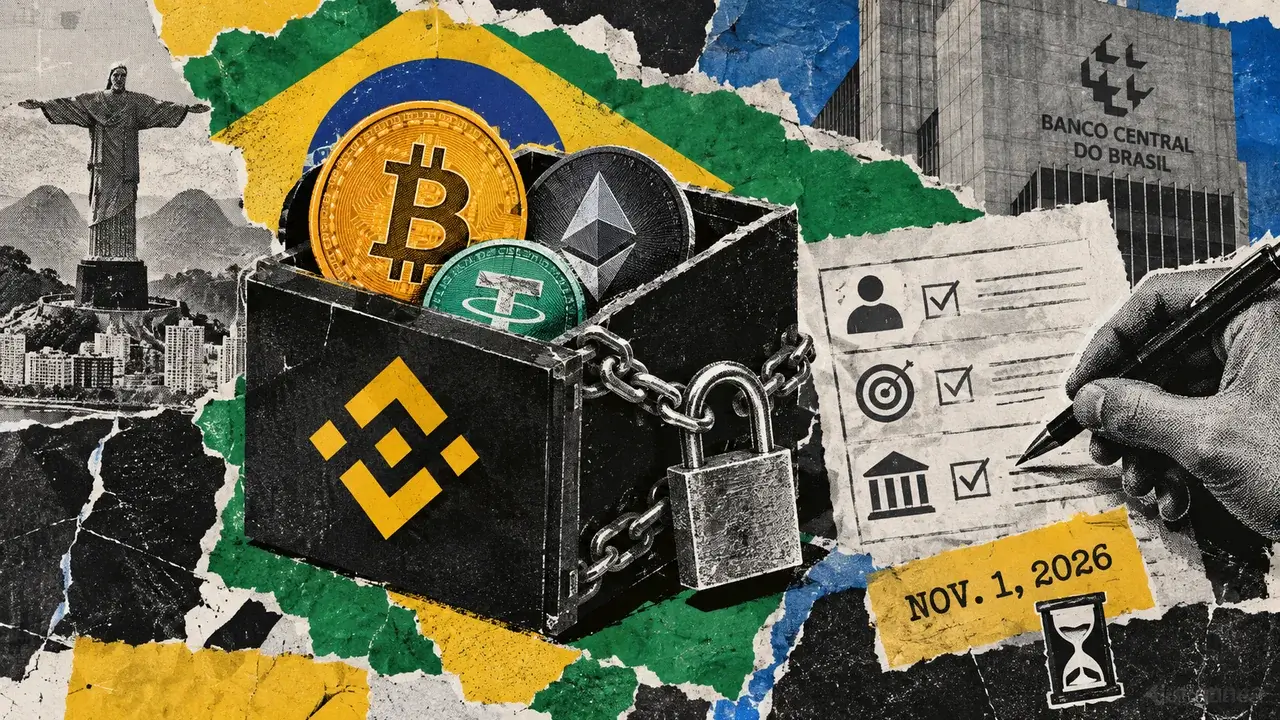
Binance will hold some Brazil crypto deposits until users explain where the money came from
Binance will require Brazilian users to provide additional information for cross-border crypto transfers starting Nov. 1. The exch...

El Salvador’s economy performs strongly, IMF says, as Bitcoin waiver clears the way for funding
El Salvador's economic resilience, bolstered by strategic policies and IMF support, may inspire other nations to explore unconvent...
SEC Approves Listing of Bitcoin ETF Targeting 3x Daily Futures Moves
A bitcoin fund targeting three times its futures benchmark’s daily performance has secured SEC listing approval. The ruling covers...