Michael Saylor Comes Out Against Bitcoin’s BIP-110, Calling the Anti-Spam Soft Fork ‘a Bad Idea’
Michael Saylor, executive chairman and co-founder of Strategy, has come out against BIP-110, the contested proposal to purge so-called spam data from the Bitcoin blockchain. Saylor said in a lengthy X post on Sunday that...
Archive context
Older archive item. Useful for background and entity history, but not a fresh market-moving signal.

Michael Saylor, executive chairman and co-founder of Strategy, has come out against BIP-110, the contested proposal to purge so-called spam data from the Bitcoin blockchain.
Saylor said in a lengthy X post on Sunday that the plan threatens the network’s neutrality. “The proposed cure is more dangerous than the condition,” he wrote.
BIP-110, formally the Reduced Data Temporary Soft Fork, would impose a one-year set of seven consensus restrictions capping the size of data payloads and blocking certain non-monetary uses, targeting Ordinals inscriptions, BRC-20 tokens, and Runes. It also lowers the miner signaling threshold for activation from the customary 95% to 55%, a move Saylor called “too aggressive” and one he warned could trigger a chain split and broad market uncertainty.
Saylor said the upgrade threatened Bitcoin’s position as a stable, permissionless network that does not pick and choose which transactions are valid. He said writing a spam ban into consensus flips that logic, letting human judgment override the protocol and setting a precedent that could later be aimed at privacy tools or corporate applications. He also flagged an economic risk: suppressing certain uses could sap transaction-fee demand, weakening miners’ incentive to secure the chain as the block subsidy keeps halving.
Strategy, the largest publicly listed Bitcoin treasury company, holds 843,775 BTC worth roughly $54.18 billion, giving Saylor an outsized stake in the outcome. His preferred alternative is to leave consensus untouched and let market-based fees and individual node relay policies handle spam. He is not alone: Blockstream CEO Adam Back and developer Jameson Lopp have also called the proposal reckless.
The fight is coming to a head. Bitcoin developers have debated the proposal since it surfaced last year as BIP-444, and it now faces a mandatory signaling window projected for early August. Miner support has never topped roughly 1%, meaning that at current levels the effort would spin off a small minority chain rather than change Bitcoin itself.
Related Listen: How the Strategy Empire Breaks, and Whether Saylor Can Stop It
{"@context":"http:\/\/schema.org\/","@id":"https:\/\/unchainedcrypto.com\/michael-saylor-comes-out-against-bitcoins-bip-110-calling-the-anti-spam-soft-fork-a-bad-idea\/#arve-youtube-icyhcxvxace","@type":"VideoObject","embedURL":"https:\/\/www.youtube-nocookie.com\/embed\/iCyHCXVxACE?feature=oembed&iv_load_policy=3&modestbranding=1&rel=0&autohide=1&playsinline=1&autoplay=0"}
The post Michael Saylor Comes Out Against Bitcoin’s BIP-110, Calling the Anti-Spam Soft Fork ‘a Bad Idea’ appeared first on Unchained.
Why this matters
Bitcoin is showing up inside the Mining theme, so this story is worth tracking for follow-through rather than treating it as a one-off headline.
Original source
Read on UnchainedRelated market context
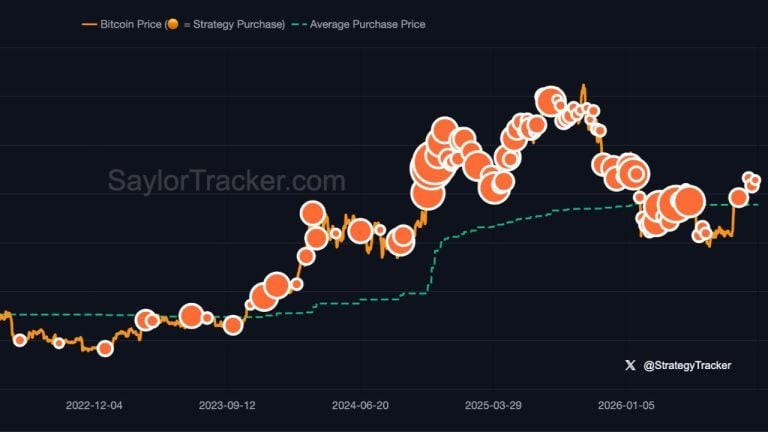
More Orange: Saylor Hints at Growing Strategy’s 848K Bitcoin Stash
Strategy could expand its bitcoin holdings after Michael Saylor posted another orange-themed buying hint. His latest message follo...

New iPhone spyware can hunt for crypto wallets and extract their data every 15 seconds
Researchers found a new iPhone spyware variant that can remotely extract cryptocurrency wallet data and sensitive credentials from...

Chinese Communist Party Calls for a National Blockchain Network
The Central Committee of the Chinese Communist Party (CCP) has called for the creation of a national blockchain network to foster...

Luxor’s reported 6–13% annualized Bitcoin yield depends on mining delivery
Luxor, a Bitcoin mining derivatives provider, reported a 6–13% annualized Bitcoin financing spread in its September lookback, publ...

China calls for national blockchain network in new technology push
China's blockchain initiative could redefine global data markets, emphasizing state control and potentially influencing internatio...
Tether Freezes $1.45M in THORChain USDT Vaults, Then Reverses Blacklist Hours Later
Key Takeaways: The amount of about $1.45 million in USDT was temporarily frozen in THORChain vault addresses. According to THORCha...