Michael Saylor Creates Digital Assets Framework
“By creating a clear taxonomy, rights-based frameworks, and practical compliance obligations, the U.S. can lead the global digital economy,” Saylor wrote in the proposal. “A capital markets renaissance driven by digital...
Archive context
Older archive item. Useful for background and entity history, but not a fresh market-moving signal.

“By creating a clear taxonomy, rights-based frameworks, and practical compliance obligations, the U.S. can lead the global digital economy,” Saylor wrote in the proposal. “A capital markets renaissance driven by digital assets will unlock trillions of dollars in wealth, empower countless businesses, and fortify the U.S. dollar as the backbone of 21st-century finance.”
The Vision: America as the Digital Economy’s VanguardSaylor, a prominent Bitcoin advocate since his company began amassing Bitcoin in 2020, envisions the U.S. taking a leadership role in the digital economy to maintain its global economic clout. MicroStrategy, known for its business intelligence software, is now the largest corporate holder of Bitcoin, with a staggering $42.6 billion worth of the asset.
Despite his reputation as a Bitcoin maximalist—a staunch believer in Bitcoin’s superiority over other cryptocurrencies—Saylor’s framework extends beyond Bitcoin. His vision includes establishing universal standards for a variety of digital assets while bolstering the U.S. dollar’s dominance as the global reserve currency.
The framework proposes a unified taxonomy for digital assets and standards that could reduce national debt while positioning America as the global hub of the digital economy. This approach, according to Saylor, would not only maintain but enhance the U.S. dollar’s preeminent status in global finance.
Source: Saylor
Defining Digital AssetsAt the core of Saylor’s proposal is a detailed taxonomy that categorizes digital assets into distinct classes:
- Digital Commodities: Assets with no issuer, powered purely by digital infrastructure, such as Bitcoin.
- Digital Securities: Tokenized representations of equity or debt.
- Digital Currencies: Fiat-backed assets, like stablecoins.
- Digital Tokens: Fungible tokens providing utility, separate from currencies or securities.
- NFTs and Asset-Backed Tokens: Representing physical assets such as gold or oil.
The taxonomy also incorporates rights and responsibilities for issuers, exchanges, and participants, ensuring transparency and compliance. Saylor emphasizes a baseline set of rights, such as the ability to create, trade, and transfer digital assets, alongside stringent obligations like public disclosures and adherence to laws.
Source: Saylor
“No one has the right to lie, cheat, or steal,” Saylor asserts in his proposal, advocating for civil and criminal accountability across the ecosystem.
Lowering Barriers to EntryA significant focus of the framework is cost efficiency. Saylor argues that compliance costs for issuing tokens should be capped at 1% of a firm’s assets under management, with maintenance fees limited to 10 basis points annually. This would slash issuance costs from tens of millions of dollars to as little as $10,000, enabling firms to launch tokens in minutes rather than years.
Source: Saylor
Neutralizing National Debt with Bitcoin and StablecoinsSaylor’s proposal extends beyond market frameworks to address America’s $36 trillion national debt. He suggests that by growing the stablecoin market from its current $25 billion capitalization to $10 trillion, the U.S. could create enormous demand for U.S. Treasuries, solidifying the dollar’s dominance.
The plan also includes the establishment of a U.S. strategic bitcoin reserve. Although Saylor doesn’t specify how many tokens should be acquired, he projects that such a reserve could generate between $16 and $81 trillion in wealth. These figures, while ambitious, underscore Saylor’s belief in Bitcoin’s transformative economic potential. Notably, Trump has echoed similar sentiments, pledging not to sell the U.S. government’s 198,000 seized bitcoins and supporting a strategic reserve.
Source: Saylor
The Road AheadSaylor’s comprehensive vision positions the U.S. as the anchor of a global digital economy, with Bitcoin and stablecoins as cornerstones of its strategy. While the proposal has its skeptics, it reflects growing bipartisan support for a structured approach to digital assets, driven by the need to maintain the U.S.’s economic hegemony.
If realized, Saylor’s framework could usher in a new era of digital innovation and fiscal sustainability, potentially transforming how the world views both Bitcoin and the U.S. dollar.
Why this matters
This bitcoin story adds another data point to the current market tape and is useful when read alongside nearby source coverage.
Original source
Read on Brave New CoinRelated market context

Hester Peirce departs SEC after years of advocating for digital assets
Peirce's departure leaves the SEC with a narrowed perspective, potentially impacting future crypto regulation and innovation initi...

Tokenized Stocks, Investor Rights, and Their Crypto Role
Tokenized stocks could give crypto-native investors access to equity exposure through crypto platforms, but a token that tracks a...

Bitcoin Price Surges Above $87,000 on Softer-Than-Expected Jobs Data
Bitcoin Magazine Bitcoin Price Surges Above $87,000 on Softer-Than-Expected Jobs Data The price of bitcoin surged above $87,000 on...

Forward Industries adds 948,601 SOL, lifting its Solana treasury to 8.5 million tokens
Forward Industries' significant Solana holdings could influence market dynamics, highlighting risks of concentrated ownership and...
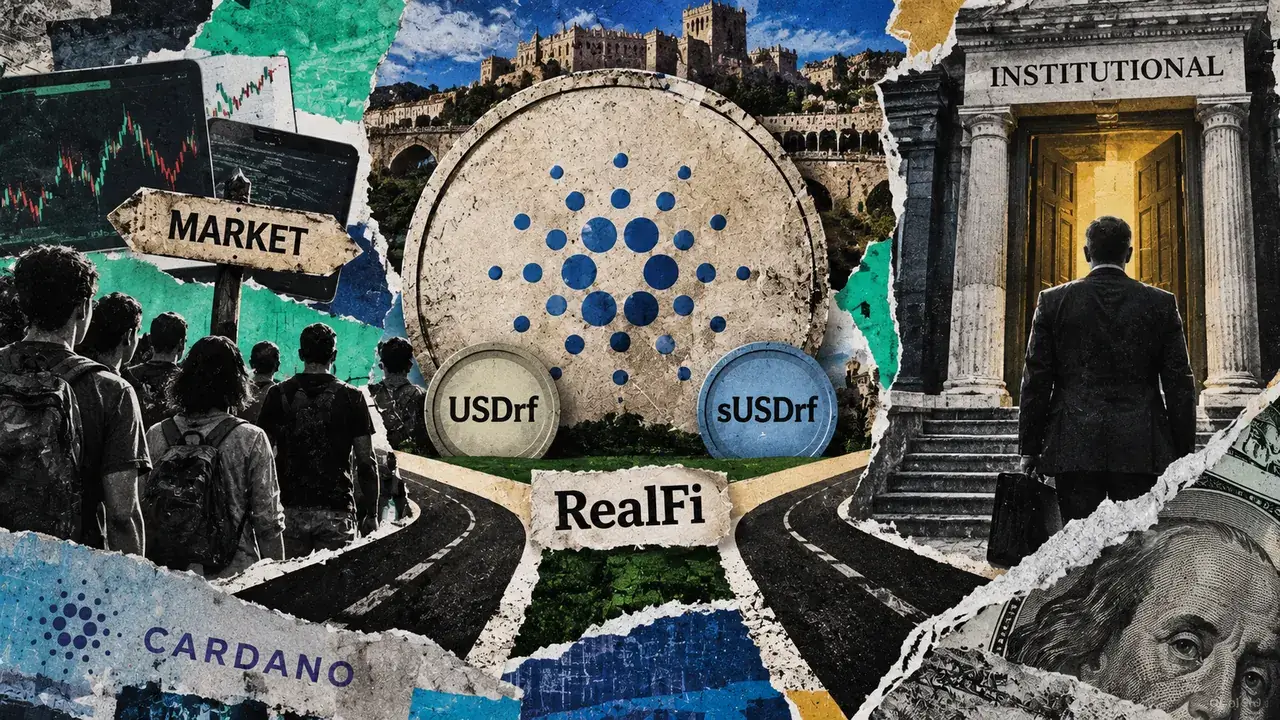
Cardano’s DeFi has shrunk by more than half and RealFi is betting credit can revive it
Cardano’s “bank the unbanked” push went live with RealFi, putting real-world credit behind a new dollar-token system. On Oct. 1, R...

Circle urges EU to rethink stablecoin reserve rules in MiCA review
Circle's proposal could reshape EU stablecoin regulations, potentially enhancing financial stability and fostering cross-border in...