Nano Labs Embraces Bitcoin as Payment: Pioneering a Shift in China’s Tech Industry
This announcement, issued on November 11, 2024, marks a dramatic shift in China’s tech sector, where cryptocurrency has historically faced strict regulation. This strategic adoption of Bitcoin by Nano Labs reflects its c...
Archive context
Older archive item. Useful for background and entity history, but not a fresh market-moving signal.

This announcement, issued on November 11, 2024, marks a dramatic shift in China’s tech sector, where cryptocurrency has historically faced strict regulation. This strategic adoption of Bitcoin by Nano Labs reflects its commitment to innovation and may indicate broader acceptance of digital currency within China’s high-tech industries.
Nano Labs added that the company decided to accept payments in Bitcoin in response to increased demand in the tech industry for flexible and efficient ways of making payments for goods and services. By settling on Bitcoin, it said, the firm will be able to clear international deals within shorter periods than is allowed by traditional methods of banking. Such a strategy can pull in customers looking for decentralized financial services in relation to placing Nano Labs firmly in a growing trend of using digital currency in the tech world.
Potential Ripple Effects in China’s Tech Sector and Regulatory ChallengesAlthough Beijing has adopted a very conservative attitude toward cryptocurrencies, China supports blockchain development and is aware of its transformative power. Nano Labs embracing Bitcoin should, perhaps, encourage other Chinese technology companies to revisit their views about digital assets. However, companies exploring crypto payments must still navigate a complex regulatory environment as authorities balance economic innovation with financial stability concerns.
China’s evolving stance on cryptocurrency adds an intriguing layer to this development. Despite previous crackdowns, the latest developments suggest a more nuanced approach, as demonstrated by recent court rulings that recognize Bitcoin as a valuable asset. Hong Kong’s recent approval of spot Bitcoin ETFs further highlights this changing dynamic, which could gradually influence Mainland China’s crypto policies. For companies like Nano Labs, this regulatory ambiguity presents both opportunities and risks. While regulatory scrutiny remains a concern, the potential for economic benefits tied to crypto adoption may justify these challenges.
In May 2021, China implemented a decisive ban on Bitcoin and other cryptocurrency activities, citing concerns about financial stability and capital outflow risks. The ban encompassed crypto mining operations and halted domestic crypto trading, causing a notable impact on global crypto markets. Despite restrictions, China’s crypto-related policies have continued evolving, with mixed signals on blockchain and digital assets in recent years.
The Bitcoin price crashed in June 2021 amidst China’s intensification of regulatory pressure on the crypto market. The government ordered the suspension of crypto mining activities in Sichuan—a crucial center for mining Bitcoin and restricted financial institutions from funding any activities related to cryptocurrency. This escalated market uncertainty, influencing other coins and intensifying global regulatory concerns about crypto’s role.
Nano Labs Price Chart. Source: Nasdaq
Nano Labs’ move to adopt Bitcoin goes beyond a business decision, signaling potential shifts in China’s tech landscape and possibly influencing wider crypto acceptance in Asia. While it’s uncertain if this trend will reshape China’s overall stance on digital assets, the development could have meaningful implications for the global tech and cryptocurrency sectors, highlighting the evolving role of digital currencies in modern finance.
Why this matters
This bitcoin story adds another data point to the current market tape and is useful when read alongside nearby source coverage.
Original source
Read on Brave New CoinRelated market context

Stablecoin issuers have replaced 40% of China’s lost US Treasury demand
Stablecoin issuers are emerging as a new source of demand for US government debt as foreign official holdings lose ground. Tether...

Visa Says Business Payments Now Drive 17% Of Stablecoin-Linked Card Volume
TL;DR Visa says roughly 17% of its stablecoin-linked card volume in fiscal 2026 year-to-date came from business and commercial car...

Polymath And CineCity Explore Regulated Tokenized Film Investment Platform
TL;DR Polymath and Chicago-based CineCity Studios are exploring a platform for financing independent film through regulated digita...
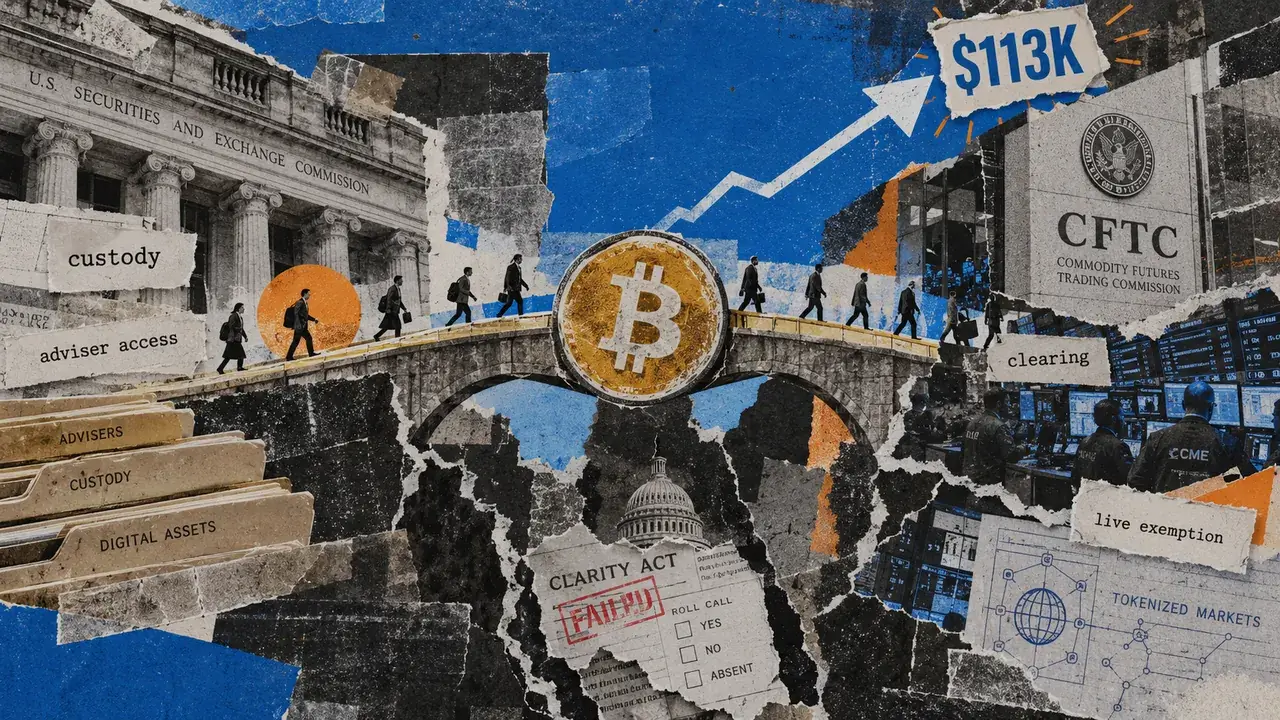
Bitcoin’s $113,000 case strengthens as US regulators push 9 crypto actions
The US Securities and Exchange Commission (SEC) proposed a custody framework on Oct. 1 that would let investment advisers and regu...

QNT Reaches Solana Liquidity Through Sunrise And Raydium
TL;DR Quant’s QNT token is now available on Solana through Sunrise infrastructure, with trading available through Raydium. The exp...

New SEC crypto rules threaten small advisers, but big firms win
The US Securities and Exchange Commission’s proposed crypto custody fallback could broaden investment choices while making them ea...