Panicked Bitcoiner mistakenly pays almost $60K BTC in fees
Update 1:17 pm UTC: This article has been updated with the corrected US dollar figure that the user paid at the time.One presumably panicked Bitcoin user paid almost 0.75 BTC (worth around $60,000 at the time) in a repla...
Archive context
Older archive item. Useful for background and entity history, but not a fresh market-moving signal.

Update 1:17 pm UTC: This article has been updated with the corrected US dollar figure that the user paid at the time.
One presumably panicked Bitcoin user paid almost 0.75 BTC (worth around $60,000 at the time) in a replace-by-fee (RBF) transaction fee.
The transaction in question was sent about 30 minutes after midnight UTC on April 8. It was the second attempt at performing an RBF that changed the transaction's target address, sending 0.48 Bitcoin ($37,770) with 0.2 BTC of change ($16,357).
Second Bitcoin RBF transaction. Source: Mempool.Space
Anmol Jain, vice president of investigations at crypto forensics firm AMLBot, told Cointelegraph that the original transaction featured a “default or conservative” fee. The first RBF raised the fee to nearly double the amount and changed the output address.
Both of those transactions are waiting for a confirmation that will never come. This is because the much higher fee RBF transaction took its place with the same output as the second RBF transaction — presumably, an attempt to bump the fee to ensure that the RBF is processed rather than the original transaction.
Related: How to fix a stuck Bitcoin transaction in 2025: A step-by-step guide
A presumed panic-induced errorThe transaction has signs of a panic-induced error, with the user sending a subsequent transaction fast to prevent the original transaction from being included in a block and becoming final. Jain suggested some potential explanations:
“Maybe he meant to use 30.5692 sat but, due to haste or butter fingers, ended up using 305,692 sat.“The second RBF transaction also added an additional input unspent transaction output (UTXO). This UTXO contained nearly 0.75 Bitcoin (BTC). The change was mistakenly included as part of the fee, likely because the user failed to update the change address or misjudged the transaction’s structure.
Another possibility raised by Jain is that the user got confused between a fee in absolute terms and one set in satoshi per virtual byte (transaction size) or that the automated script behind the transaction contained a bug. The wallet could allow setting a fee in satoshis, which could lead to a scenario where the fee is set way too low, a warning about the low fee and an overcorrection:
“System reads it as 30 sats total fee, which is way too low, so user types 305000 thinking it means 30.5 sat/vB, and the wallet actually applies 305,000 sats/vB, which is insane.“Related: Bitcoin user pays $3.1M transaction fee for 139 BTC transfer
Replace-by-fee: a controversial featureRBF is a widely misunderstood and controversial feature of Bitcoin. Bitcoin transactions are considered non-final until they are included in a block, with further confirmation by more blocks in the same chain.
Transactions in the mempool are at the mercy of miners — who are expected to be profit-driven. Bitcoin developers foresaw that with multiple conflicting Bitcoin transactions, the financial incentive would be to process the one paying the higher fee.
There is no easy way to prevent Bitcoin miners from simply including the transaction that was sent first, and it is also not straightforward to establish which transaction was submitted first due to the decentralized nature of the network. Consequently, this incentive was recognized in the RBF feature, allowing users to edit unconfirmed transactions by submitting an alternative transaction with a higher fee.
This led to some controversies in the past, with Bitcoin Cash (BCH) proponent Hayden Otto claiming that RBFs allowed for Bitcoin double-spends back in 2019. In contrast, Bitcoin Cash has removed the feature and claimed that unconfirmed transactions sent on that network are final and secure to accept.
Still, with the way blockchains function, RBF-like transactions were confirmed to occasionally occur on Bitcoin Cash either way. This is because RBF is just an implied property of a Bitcoin-like consensus mechanism that was formalized as a feature.
Magazine: I became an Ordinals RBF sniper to get rich… but I lost most of my Bitcoin
Why this matters
This bitcoin story adds another data point to the current market tape and is useful when read alongside nearby source coverage.
Original source
Read on CointelegraphRelated market context

North Korean Hackers Linked to $388M Bitget Crypto Exchange Theft: CEO
Bitcoin Magazine North Korean Hackers Linked to $388M Bitget Crypto Exchange Theft: CEO Hackers from North Korea targeted crypto e...

Kalshi must lock out state users after major court loss
The Sixth Circuit ruled Sept. 25 that Ohio and Tennessee can apply their gambling laws to Kalshi's sports contracts. The court rej...
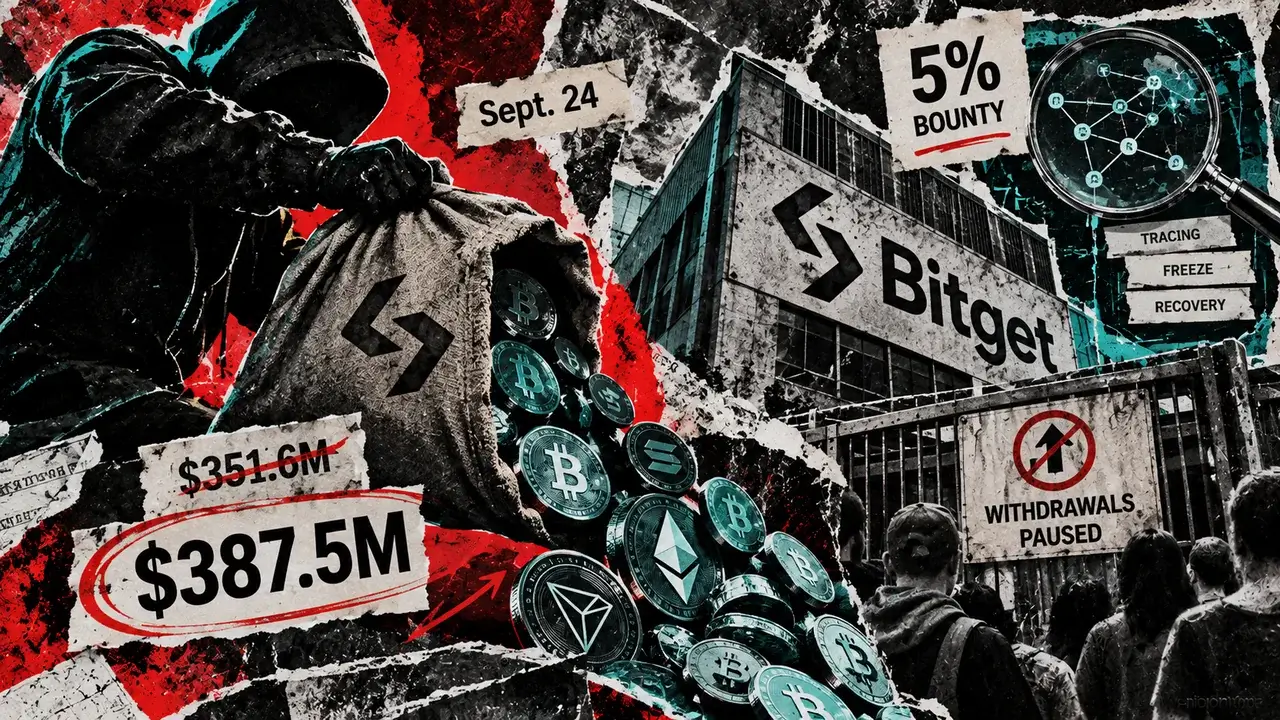
Bitget’s hack just got $36 million bigger, and now there’s a bounty on the stolen crypto
Bitget has raised the estimated value of assets taken in its Sept. 24 breach to $387.5 million as exchanges and security firms mob...
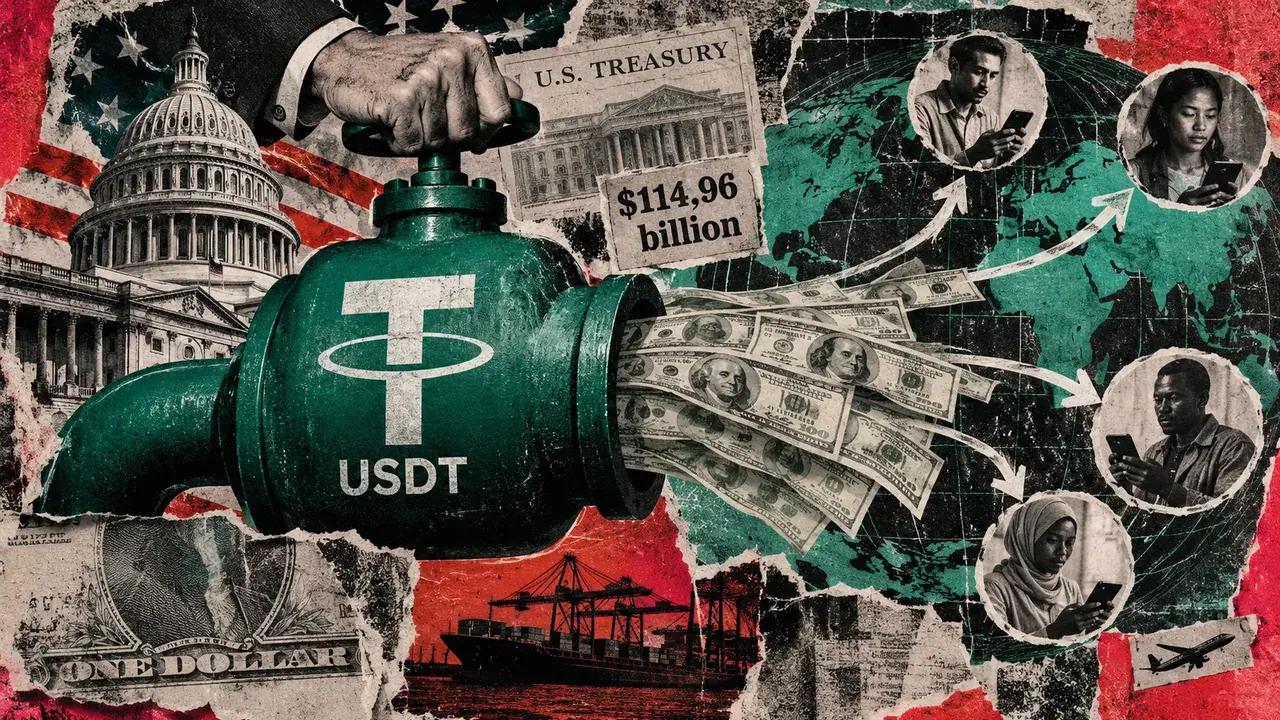
Washington has $114 billion reasons to want Tether around
Not that long ago, Washington fined Tether for misleading people about the dollars behind its tokens. Today, the company's insatia...
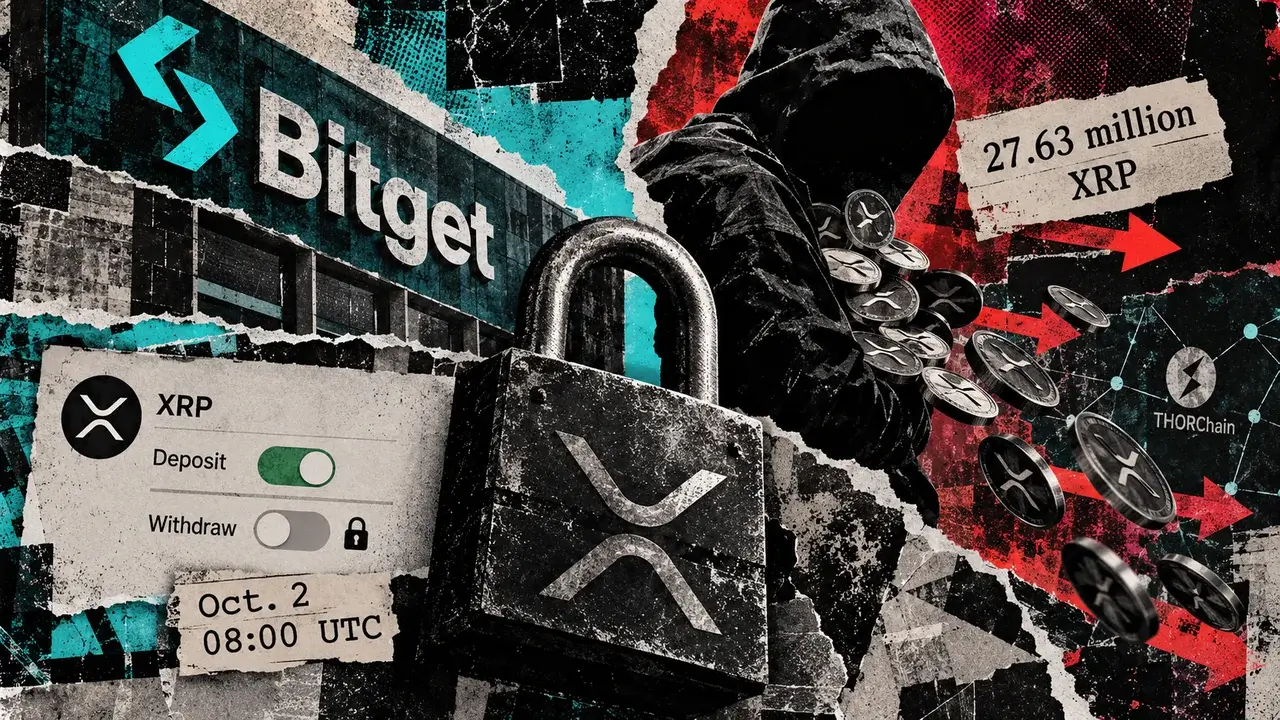
Bitget freezes XRP withdrawals as 27M stolen tokens move
Bitget’s XRP withdrawal route was still disabled on Sept. 26, even as the exchange set Oct. 2 at 08:00 UTC for the last phase of i...

SEC staff’s staking-token split spotlights the exit risks behind staked ETH tokens
An ETH holder can sell a liquid-staking token while the ETH behind it remains staked. A Sept. 25 SEC staff FAQ draws a conditional...