RIZZO: SATOSHI NAKAMOTO'S NEW MYSTERY
WHO WE’RE FOLLOWING: Wicked BitcoinIt’s 2024 and there’s a new mystery surfacing around Bitcoin’s creator Satoshi Nakamoto. In this case, discussion of a new enigma first surfaced on X, where everyone’s favorite ch-artis...
Archive context
Older archive item. Useful for background and entity history, but not a fresh market-moving signal.
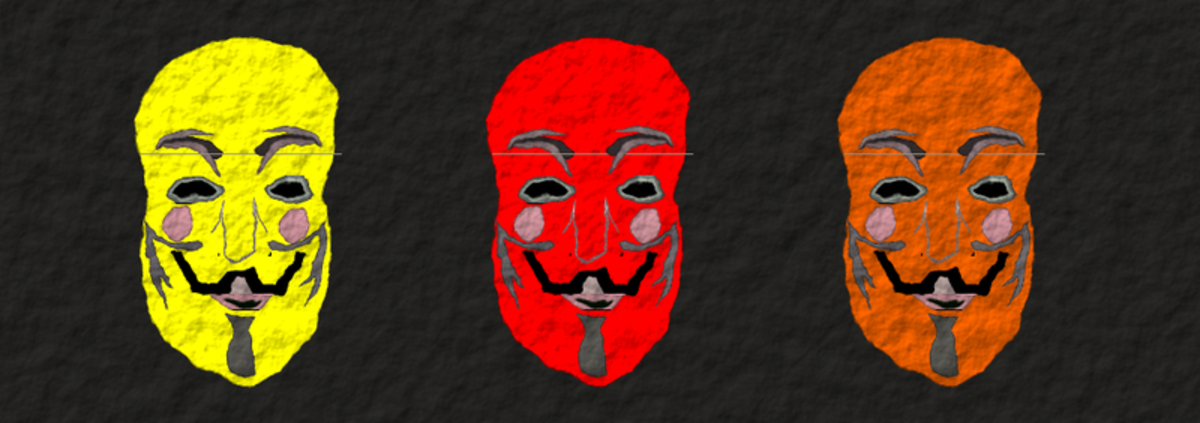
WHO WE’RE FOLLOWING: Wicked Bitcoin
It’s 2024 and there’s a new mystery surfacing around Bitcoin’s creator Satoshi Nakamoto.
In this case, discussion of a new enigma first surfaced on X, where everyone’s favorite ch-artist Wicked Bitcoin posted the discovery.
Essentially, the finding boils down to this:
- It’s clear that Satoshi Nakamoto was an early Bitcoin miner – after all, he sent bitcoins to early contributors, and since he didn’t set himself up with a sweet “founder’s allocation,” they could have only come from mining.
- That said, we don’t really know how many bitcoins Satoshi mined. (He never commented on it publicly, aside from one reported instance where he claimed to "own a lot" of bitcoins.) Most of what’s “common knowledge” is from one study done in 2013, and while it’s become something like lore, there’s a lot of dispute about what it proves.
- Essentially, the study suggested Satoshi’s mining activity was visible on the blockchain via what’s been called the “Patoshi pattern.” Long story short, an early, very large miner changed the way they embedded data on the blockchain (via a non-standard iteration of the ExtraNonce), and most believe that this could have only been done by Nakamoto (who knew the most about the software in its infancy).
- Jameson Lopp (co-founder of Casa) built on this work in 2022. He added new analysis about this mystery miner, including the finding that they weren't seeking to maximize their profitability. Some felt this was another strong data point Patoshi was Satoshi.
- Now, Wicked is adding to the mystery, one that alludes to earlier “Patoshi” analyses. Essentially, by plotting this miner’s blocks on a date-time axis, he finds that there’s a notable gap in the timestamps of this miner’s blocks in early 2009.
Of course, as to what we can conclude from this data, as Wicked’s comments section shows, that’s up for debate.
Adding to the issue is that here is a dearth of historical information about Bitcoin from 2009. What’s been uncovered amounts to a few public email lists and private correspondences that have been published over the years (some forced by court hearings).
As far back as May-June 2009, there were no Bitcoin forums, and it’s possible there could have been only a dozen people mining the network. Martii Malmi, (Satoshi’s first real righthand developer) would have only just been starting his work.
This means that we don’t really have a concrete timeline or what occurred and why besides what’s visible by looking at the data, and there, there isn’t even that much to discuss – there were many days in 2009 where there weren’t any Bitcoin transactions.
Wicked’s thesis here is that the above gaps show instances where the “Patoshi miner” went offline, and then had to restart operations. At this point, the miner was so powerful that they simply overwrote any blocks found by other miners in their absence.
Wicked draws a few conclusions from this, going so far as to suggest Satoshi may have been testing how well the network held up to “51% attacks.” This would be plausible – after all, the idea that Bitcoin was robust enough to operate as long as a majority of participants were honest was his major contribution to digital cash as a concept.
(Really, you could argue (as I have) that’s the only thing Satoshi brough to Bitcoin that was new, his primary skill taking hardened computer science concepts and stitching them together.)
That said, there's a bit of a bearish read here. An accidental 51% attack would have still made honest mining moot, and this could be fodder for critics who like to paint Satoshi as the kind of errant experimenter we see on other chains today.
Still, there’s a lot of conjecture here, and without more analysis (or more corroborating evidence) it’s hard to draw a firm conclusion.
At any rate, we can marvel at the mystery that nearly 16 years later, Satoshi has succeeded so well in hiding his tracks from history.
Why this matters
This bitcoin story adds another data point to the current market tape and is useful when read alongside nearby source coverage.
Original source
Read on Bitcoin MagazineRelated market context

Standard Chartered says Ethena’s ENA could crush Bitcoin and Ethereum returns by 2028
Standard Chartered expects Ethena’s ENA token to rise about sevenfold by 2028, provided the protocol can rebuild its shrinking syn...
SEC Sues Four Firms Over Alleged $15 Million Crypto Scams Run Through WhatsApp Chats
The Securities and Exchange Commission charged four entities on Tuesday over two alleged schemes that used WhatsApp group chats an...

Ethereum Price Prediction: Could Aztec’s zk.money Drive ETH Higher as Zcash Fuels Privacy Narrative?
Ethereum is trading at $2,665, flat over 24 hours, leaving it below the $2,700–$2,735 resistance band as our recent price predicti...

Perplexity AI Predicts Insane $40 Price Target for XRP: How Did It Get There?
Perplexity AI predicts something that few analysts or other AI models do. It has produced an insanely wild bullish prediction for...
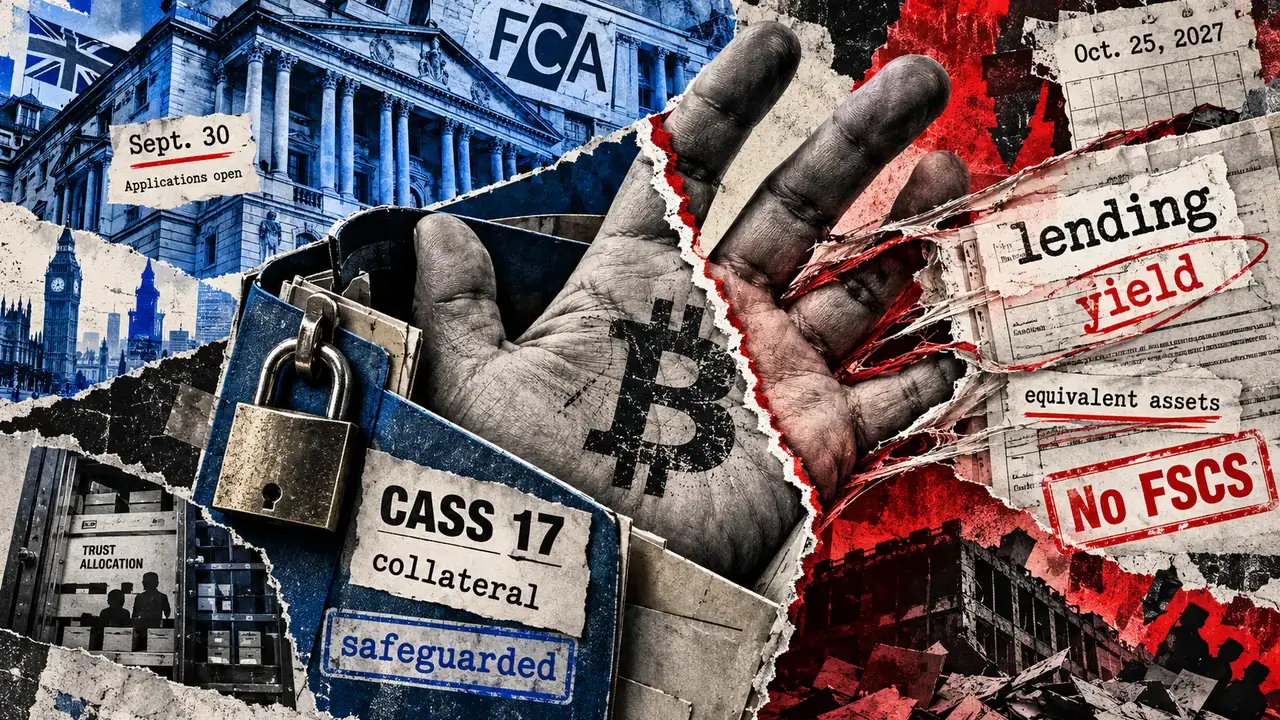
UK’s 2027 crypto rules let firms remove trust protection from Bitcoin lent for yield
UK crypto firms can now apply for authorization as of Sept. 30, bringing Bitcoin holders closer to a rulebook that will treat coin...

The SEC’s Buyback Guidance Is Narrower Than It Looks. Does Yours Pass the Test?
Crypto projects that buy back their own tokens have operated under a dour legal cloud within the US for nearly a decade. A buyback...