South Korea Warns ETFs: Crypto Exposure Too High – Coinbase, MicroStrategy in the Crosshairs
Key Takeaways: South Korea’s Financial Supervisory Service (FSS) has warned asset managers to limit crypto stock exposure. ETF holdings in Coinbase and MicroStrategy have surged, prompting a regulatory pushback. Despite...
Archive context
Older archive item. Useful for background and entity history, but not a fresh market-moving signal.
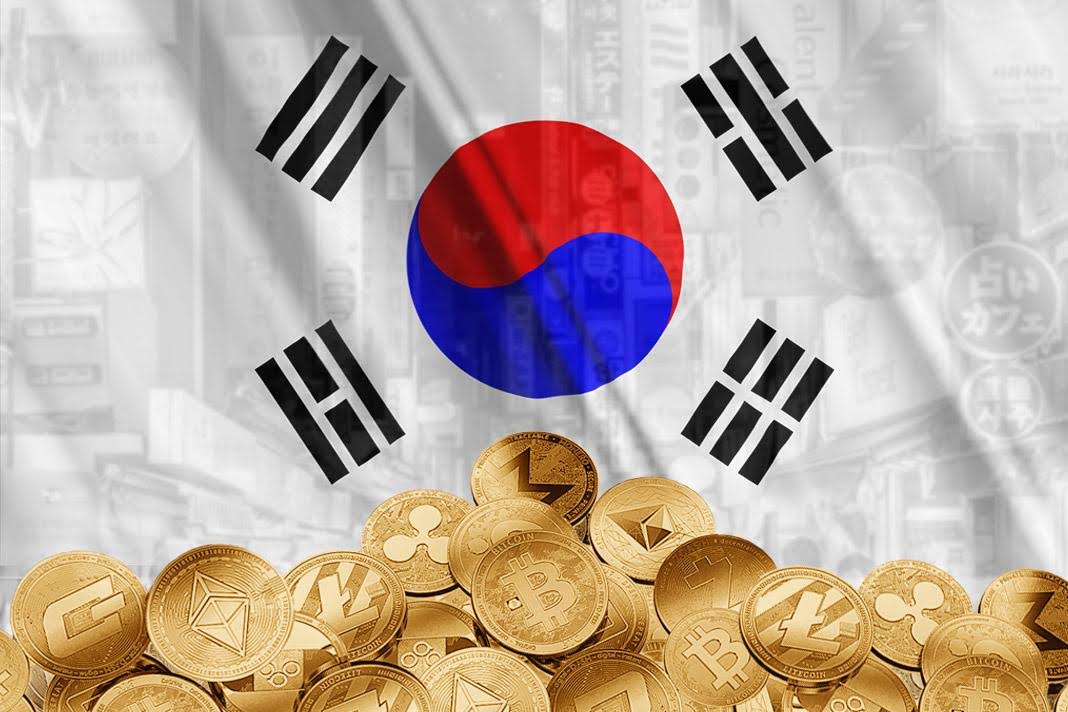
Key Takeaways:
- South Korea’s Financial Supervisory Service (FSS) has warned asset managers to limit crypto stock exposure.
- ETF holdings in Coinbase and MicroStrategy have surged, prompting a regulatory pushback.
- Despite growing global acceptance, Korea maintains strict guidance on crypto investments for financial firms.
South Korea is once again taking a conservative stance on crypto, this time targeting indirect exposure via exchange-traded funds (ETFs). The country’s financial regulator has issued a warning to asset managers, urging them to avoid overexposure to U.S.-listed crypto companies such as Coinbase and MicroStrategy. This signals ongoing tension between rising investor appetite and long-standing regulatory caution.
Read More: Over 10M Koreans Bet on Crypto: 70% Eye Bigger Investments Amid Retirement Fears
FSS Issues Verbal Guidance Amid Rising Crypto AllocationsAccording to reports from the local investment industry, the Financial Supervisory Service (FSS) earlier this month gave verbal warnings to domestic asset managers. The instruction: do not expand ETF exposure to firms heavily involved in cryptocurrency, particularly Coinbase (COIN) and MicroStrategy (MSTR).
While the guidance wasn’t issued as a formal rule, its message was clear: limit participation in the crypto ecosystem, even indirectly through equities. The FSS cited the still-valid 2017 emergency guidelines, which prohibit financial institutions from directly holding, purchasing, or investing in virtual assets.
The verbal directive affects ETFs that either passively track indexes or are actively managed. For passive ETFs, adjusting holdings without changing the underlying index is difficult. But for active ETFs, portfolio rebalancing can be implemented at the fund manager’s discretion: making the guidance more actionable.
A senior FSS official commented, “Although we acknowledge the recent trend toward global deregulation, no concrete legal or institutional framework has been established in Korea. Until that’s in place, existing guidance should be strictly followed.”
ETF Portfolios Already Exceeding Crypto LimitsSouth Korean ETFs have significantly increased allocations to crypto-related stocks over the past year. As cryptocurrencies rebounded and U.S. companies like Coinbase and MicroStrategy posted strong gains, ETF managers reweighted accordingly.
These figures far exceed what many regulators would consider conservative exposure, especially for funds available to a retail investor base that numbers over 18 million in South Korea alone.
According to local fund managers, changing index-linked (passive) ETFs is not straightforward. A source explained, “If we remove a stock that’s part of the benchmark without an index revision, it causes tracking error. We understand the FSS’s concern but acting immediately isn’t feasible.”
Why Is South Korea Holding Back on Crypto Stocks?South Korea’s stance reflects a deep-rooted regulatory philosophy that aims to minimize systemic risk from volatile and often unregulated crypto assets. The 2017 guidance, still enforced, prohibits financial institutions from engaging with crypto assets through ownership, investment, or even accepting them as collateral.
While countries like the U.S. are warming up to crypto ETFs and seeing increased approval of spot Bitcoin and Ethereum ETFs, South Korea remains cautious.
The timing of this FSS directive is critical. It follows several high-profile developments:
- The approval (and pause) of the Bitwise 10 Crypto Index ETF in the U.S.
- Accelerated inflows into global crypto-related equity funds.
- South Korea’s own ETF market passing 1,000 listed products, many with crypto exposure.
Despite the global momentum, the FSS is signaling that Korean financial institutions must remain on a narrow compliance path until new rules are introduced.
Global Pressure Mounting as Korean Investors Look OverseasOne of the most striking developments is the growing regulatory divergence between South Korea and global markets. In the U.S., asset managers are rolling out diversified crypto ETFs, and even niche tokens like SUI and ONDO are being considered. Meanwhile, Korean investors are turning to overseas ETFs to gain indirect exposure.
Some Korean firms are even restructuring themselves to access the crypto ecosystem. Earlier this year, Parataxis Holdings acquired a majority stake in biotech firm Bridge Biotherapeutics for $18.5 million, reportedly planning to launch Korea’s first Bitcoin Treasury company. Such moves indicate rising interest in crypto assets even within traditional corporate structures.
Adding fuel to the fire, President Lee Jae-myung had campaigned on supporting the introduction of a Bitcoin spot ETF during his presidential run. While this hasn’t yet translated into policy, expectations remain high among domestic investors for regulatory liberalization.
Read More: South Korea Halts CBDC Phase 2 Testing Amid Stablecoin Surge and Uncertainty
The post South Korea Warns ETFs: Crypto Exposure Too High – Coinbase, MicroStrategy in the Crosshairs appeared first on CryptoNinjas.
Why this matters
This bitcoin story adds another data point to the current market tape and is useful when read alongside nearby source coverage.
Original source
Read on CryptoNinjasRelated market context
Canton Enters South Korea as Meritz Eyes Tokenized Finance Deals
South Korean investment firm Meritz Securities has struck a partnership with the Canton Foundation to explore bringing tokenized K...
XRP spot volume surpasses Bitcoin and Ethereum on South Korea’s Upbit
XRP's dominance on Upbit highlights the potential impact of local regulatory shifts on global crypto liquidity and market dynamics...

Binance Eyes Hong Kong, South Korea, Taiwan, Brazil Stocks in Global Push
Binance is exploring ways to give users exposure to leading stocks in markets including Hong Kong, South Korea, Taiwan, and Brazil...
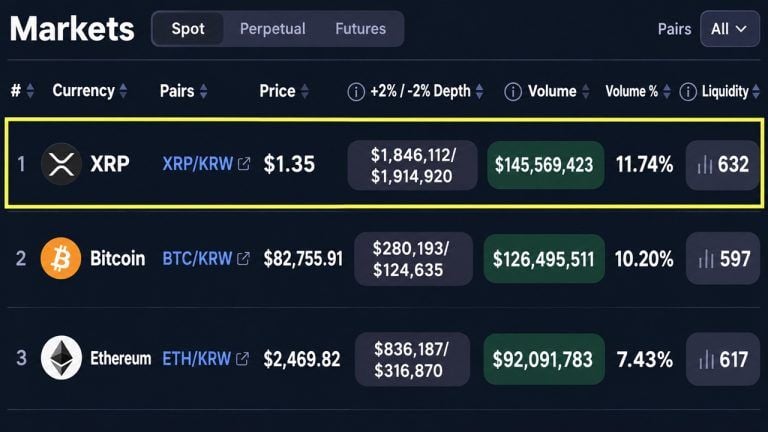
XRP Is Outtrading Bitcoin and Ether on South Korea’s Biggest Exchange
XRP topped Upbit’s spot volume in snapshots taken more than seven hours apart, beating bitcoin and ether in won trading even as it...

OKX Marketing Chief Haider Rafique Steps Back After Seven Years at Crypto Exchange
Key Takeaways: After nearly seven years at OKX, Haider Rafique has decided to step aside due to family and various personal reason...

Circle Says 59 Cents of Each Revenue Dollar Went to USDC Partners and Transaction Costs
Circle said it paid about $819 million of its roughly $1.4 billion in first-half 2026 revenue to USDC distribution partners and tr...