South Korea's President Challenges the FSC's Warning on Bitcoin ETFs
The Office of the President of the Republic of Korea is challenging the Financial Services Commission's (FSC) stance against spot Bitcoin exchange-traded funds (ETFs). This step arrived about a week after the FSC caution...
Archive context
Older archive item. Useful for background and entity history, but not a fresh market-moving signal.

The Office of the President of the Republic of Korea is challenging the Financial Services Commission's (FSC) stance against spot Bitcoin exchange-traded funds (ETFs). This step arrived about a week after the FSC cautioned against trading US-based spot Bitcoin ETFs following the approval of the funds by the Securities and Exchange Commission (SEC).
According to a report by a Korean media publication, The Office of the President of the Republic of Korea has urged the FSC to adopt a more flexible approach rather than a definitive "yes" or "no", indicating a potential shift in the regulatory landscape.
Examining the FSC's Warning
The FSC, a key financial regulator in South Korea, recently issued a warning about domestic securities firms trading or brokering overseas-listed spot Bitcoin ETFs, citing possible violations of the Capital Markets Act.
However, the Office of the President of the Republic of Korea has requested the FSC to refrain from taking a rigid stance and explore the possibility of accommodating global developments. Tae-yoon Sung, The Head of the Presidential Policy Office, has emphasized the need to assess foreign practices for potential adoption in the Korean legal system.
Additionally, the Office of the President of the Republic of Korea highlighted the need for appropriate legal adjustments. It considers international practices while preventing potential side effects or risks involving financial products and the economy.
Investor Perspectives and Market Trends
South Korea's financial services regulator has rejected the trading of spot Bitcoin ETFs despite the recent approval granted by the SEC. The FSC has clarified that it will not permit the listing and trading of cryptocurrencies on its domestic financial market.
The regulator has expressed concerns that brokerage activities related to overseas-listed spot Bitcoin ETFs might violate the Capital Market Act. Additionally, the FSC is aiming for the adoption of a cautious approach toward aligning such activities with South Korea's regulatory framework.
The lack of a legal basis recognizing virtual assets in the country complicates this matter, making it challenging for the FSC to allow the listing and indirect trading of crypto ETFs through domestic securities firms.
Last week, the SEC approved 11 Bitcoin ETFs, marking a historic decision that allows spot Bitcoin ETFs to be listed on major exchanges in the US. Gary Gensler, the SEC's Chairman, clarified that the authorization specifically pertains to exchange-traded products holding one non-security commodity, which, in this case, is Bitcoin.
This article was written by Jared Kirui at www.financemagnates.com.Why this matters
This bitcoin story adds another data point to the current market tape and is useful when read alongside nearby source coverage.
Original source
Read on Finance MagnatesRelated market context

Spot Bitcoin ETFs see $3B in purchases over 9 days as institutional appetite returns
Institutional interest in Bitcoin ETFs signals renewed confidence, potentially stabilizing the crypto market and encouraging furth...

Bitcoin enters its best season after a 43% surge, with $147,000 suddenly on the math
Bitcoin is closing its strongest quarter since 2024 after leaving US stocks and gold far behind despite surging bond yields. The l...
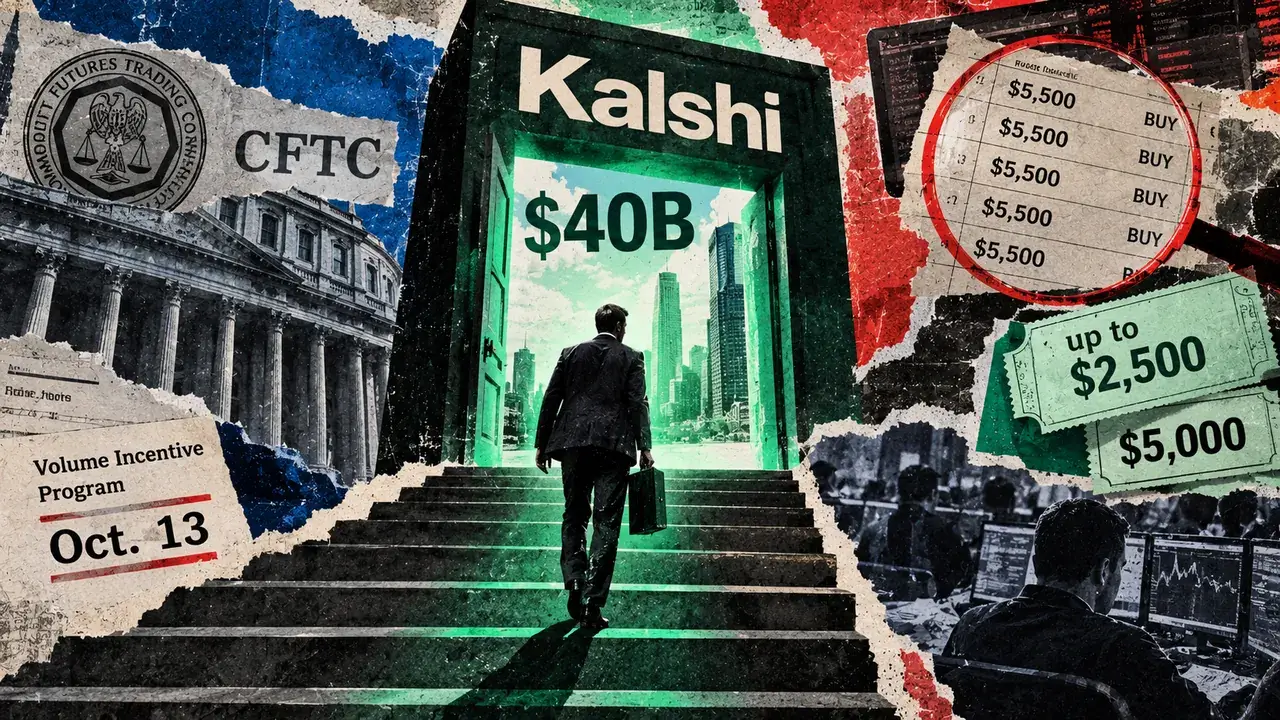
Kalshi’s $40 billion growth story hits tough questions about its trading volume
Kalshi is ending a trader-volume incentive program nearly a year early as scrutiny of activity in its crypto markets intensifies....

Robinhood Readies 10x Crypto Perps for US Traders and Unveils AI Trading Agents in Its App
Robinhood plans to let eligible U.S. customers trade crypto perpetual futures in its app with up to 10x leverage, part of a batch...

Coinbase builds financial accounts for super intelligence
Coinbase's AI-focused financial infrastructure could revolutionize autonomous transactions, potentially reshaping financial market...

David Lawant: Bitcoin Entering New “Bullish Regime” According to Options Market
Bitcoin Magazine David Lawant: Bitcoin Entering New “Bullish Regime” According to Options Market Bitcoin futures open interest is...