What are BRC-20 Tokens?
Bitcoin Magazine What are BRC-20 Tokens? Introduction BRC-20 tokens are an experimental and inefficient token standard designed for creating fungible tokens on the Bitcoin blockchain. Inspired by Ethereum’s ERC-20 tokens...
Archive context
Older archive item. Useful for background and entity history, but not a fresh market-moving signal.
Bitcoin Magazine
What are BRC-20 Tokens?
BRC-20 tokens are an experimental and inefficient token standard designed for creating fungible tokens on the Bitcoin blockchain. Inspired by Ethereum’s ERC-20 tokens, BRC-20 tokens leverage the Bitcoin Ordinals protocol to inscribe data onto individual satoshis, making them transferable and tradable.
Origins of BRC-20 TokensThe BRC-20 token standard was introduced by a pseudonymous developer named Domo in March 2023. This development came shortly after the launch of the Bitcoin Ordinals protocol in January 2023 by Casey Rodarmor, which allowed users to inscribe data onto individual satoshis, enabling the creation of NFTs on the Bitcoin blockchain. The first BRC-20 token deployed was “ordi,” which quickly gained popularity and led to the creation of numerous other BRC-20 tokens.
The introduction of BRC-20 tokens aimed to bring the flexibility of fungible tokens to the Bitcoin network, similar to how ERC-20 tokens expanded the Ethereum ecosystem. However, BRC-20 tokens differ significantly from their Ethereum counterparts in terms of functionality and implementation.
How BRC-20 Tokens WorkBRC-20 tokens use the Ordinals protocol to inscribe JSON data onto satoshis. This data defines the token’s properties and functions, such as deployment, minting, and transfer. Unlike ERC-20 tokens on Ethereum, BRC-20 tokens do not use smart contracts, making their functionality more limited. However, their simplicity allows for easier asset tokenization on the Bitcoin network.
Deployment and Minting: The process begins with deploying a token by inscribing its properties onto a satoshi. Once deployed, tokens can be minted in specified quantities and transferred between users through Bitcoin transactions. The JSON data includes details such as the token’s name, maximum supply, and minting conditions.
Token Transfer: Transferring BRC-20 tokens involves creating a new inscription that specifies the transfer details. This inscription is then included in a Bitcoin transaction, making the transfer immutable and verifiable on the blockchain.
Pros and Cons Pros:- Simplicity: The absence of smart contracts simplifies the creation and transfer of tokens, making it accessible to a broader range of users.
- Security: Leveraging Bitcoin’s robust security features ensures a high level of trust and immutability.
- Lack of Smart Contracts: The inability to use smart contracts restricts the functionality and potential use cases of BRC-20 tokens.
- Network Dependency: BRC-20 tokens are subject to Bitcoin’s prioritization of security and decentralization over transaction speed, which can result in higher fees during periods of high demand.
- Network Congestion: The popularity and poor design of these tokens led to increased transaction fees and network congestion, particularly at the time of launch as promotion and popularity are at peak levels. As popularity decreased, so did the congestion.
- Limited Interoperability: Being tailored specifically for the Bitcoin network, BRC-20 tokens are unable to interact with other blockchain ecosystems.
Decentralized Application Tokens: A developer creates a new token for a decentralized application (dApp). By etching the token’s details into a Bitcoin transaction using the Ordinals protocol, the developer can manage the token directly on the Bitcoin blockchain without needing additional layers or complex smart contracts. This token can then be used within the dApp for various functions, such as access control, rewards, or governance.
Tokenized Assets: If an enterprise wants to tokenize its assets, such as shares or real estate, on the Bitcoin blockchain, with BRC-20 tokens, the company can inscribe tokens representing these assets, allowing for secure and transparent ownership transfer. This can simplify the process of buying, selling, or transferring ownership of these assets while leveraging Bitcoin’s robust security.
Loyalty Points System: A business could implement a loyalty points system using BRC-20 tokens. By creating and managing loyalty points as tokens, customers can earn, transfer, and redeem points directly on the Bitcoin blockchain. This ensures transparency and security, reducing the risk of fraud and increasing customer trust.
Community Tokens: A community group can decide to create its own token to facilitate various activities and rewards within the community. Using BRC-20 tokens, the group can inscribe tokens that members can use for participation in events, voting on community decisions, or rewarding contributions. This fosters a sense of ownership and engagement among community members.
BRC-20 tokens are often marketed as solutions for a range of applications as described above, from decentralized apps to tokenized assets, but in practice, they frequently attract speculative trading and gambling. While they utilize Bitcoin’s secure network, their primary use has quickly become creating and trading meme tokens and low-value digital assets. This mirrors a broader trend in the crypto world, where the promise of solving real-world problems is often overshadowed by a focus on short-term gains and speculative investments. The true value of Bitcoin lies in its security, decentralization, and role as sound money, which is often overlooked in the rush to exploit the latest token trends.
Runes Protocol: A Newer and More Efficient SolutionThe Runes protocol, introduced by Casey Rodarmor, presents a more efficient and scalable alternative to BRC-20 tokens. By utilizing Bitcoin’s UTXO model and the OP_RETURN opcode, Runes manage to avoid the creation of unspendable UTXOs, thereby reducing network congestion and enhancing performance. Unlike BRC-20, which relies on JSON inscriptions that can bloat the network, Runes offer a streamlined process for token creation and transfer, integrating seamlessly with the Lightning Network and supporting a variety of wallet types. This makes Runes a superior choice for developers looking to create and manage tokens on the Bitcoin blockchain with greater efficiency and flexibility.
This post What are BRC-20 Tokens? first appeared on Bitcoin Magazine and is written by Conor.
Why this matters
This bitcoin story adds another data point to the current market tape and is useful when read alongside nearby source coverage.
Original source
Read on Bitcoin MagazineRelated market context
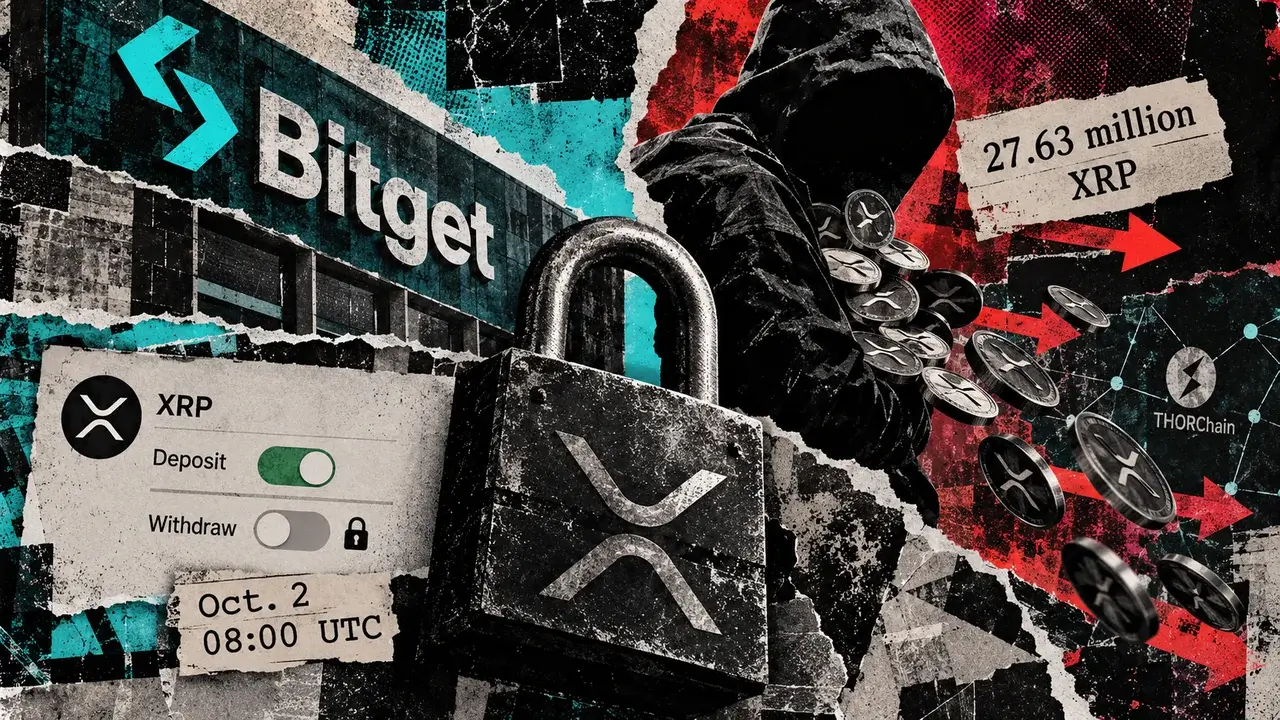
Bitget freezes XRP withdrawals as 27M stolen tokens move
Bitget’s XRP withdrawal route was still disabled on Sept. 26, even as the exchange set Oct. 2 at 08:00 UTC for the last phase of i...
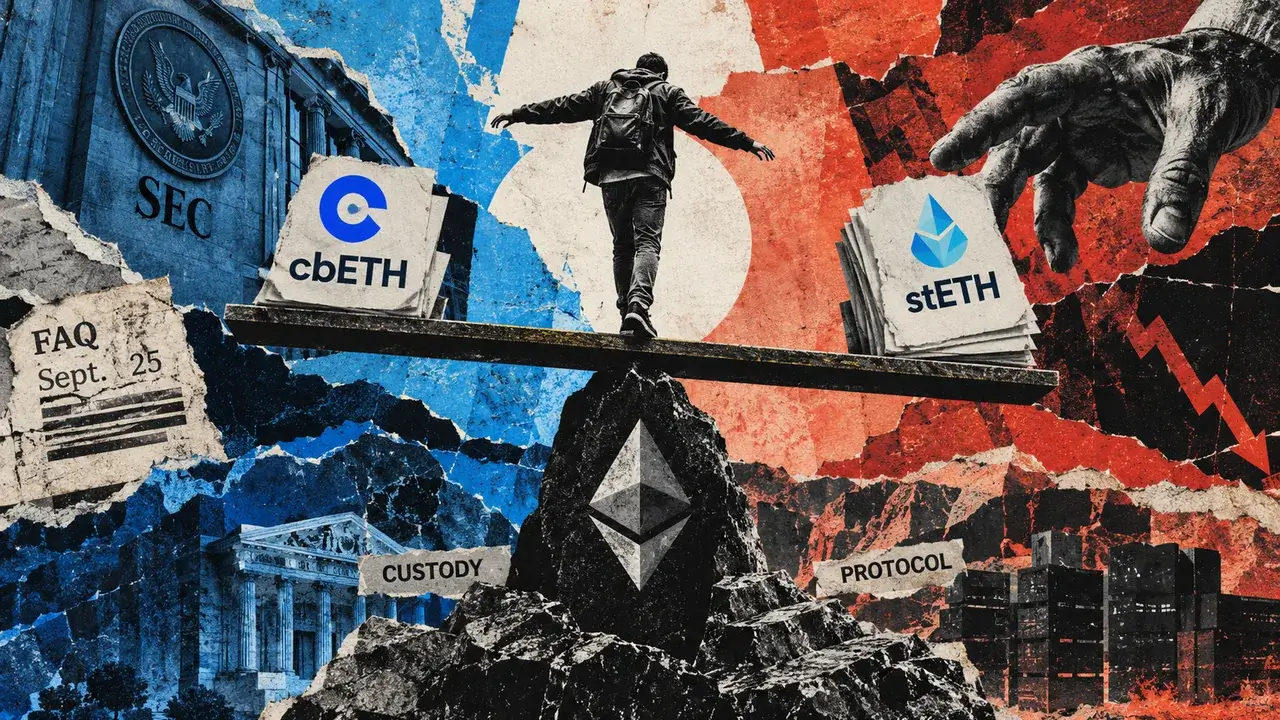
SEC staff’s staking-token split spotlights the exit risks behind staked ETH tokens
An ETH holder can sell a liquid-staking token while the ETH behind it remains staked. A Sept. 25 SEC staff FAQ draws a conditional...
SEC Staff Says Token Buybacks Don't Make Crypto a Security—If the Network Works
New SEC staff guidance says announcing a token buyback on a functional network isn't a promise that turns the token into a securit...
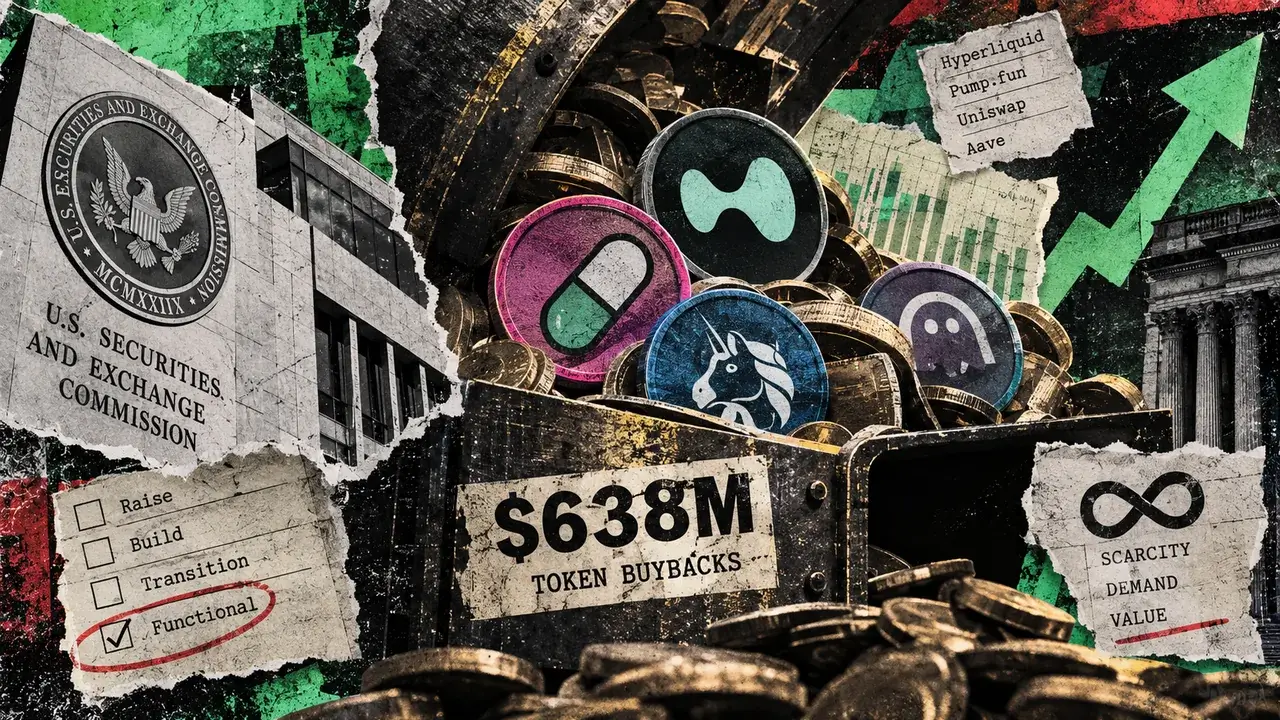
SEC clears regulatory hurdle as crypto token buybacks hit record $638 million
Crypto projects spent about $638 million with token buybacks through late August 2026, according to Allium Labs data. That is alre...
Morning Minute: SEC Clears Token Buybacks for Crypto Networks
The Gary Gensler era is long gone and now the SEC is providing clarity on what crypto protocols can and can’t do with their tokens...
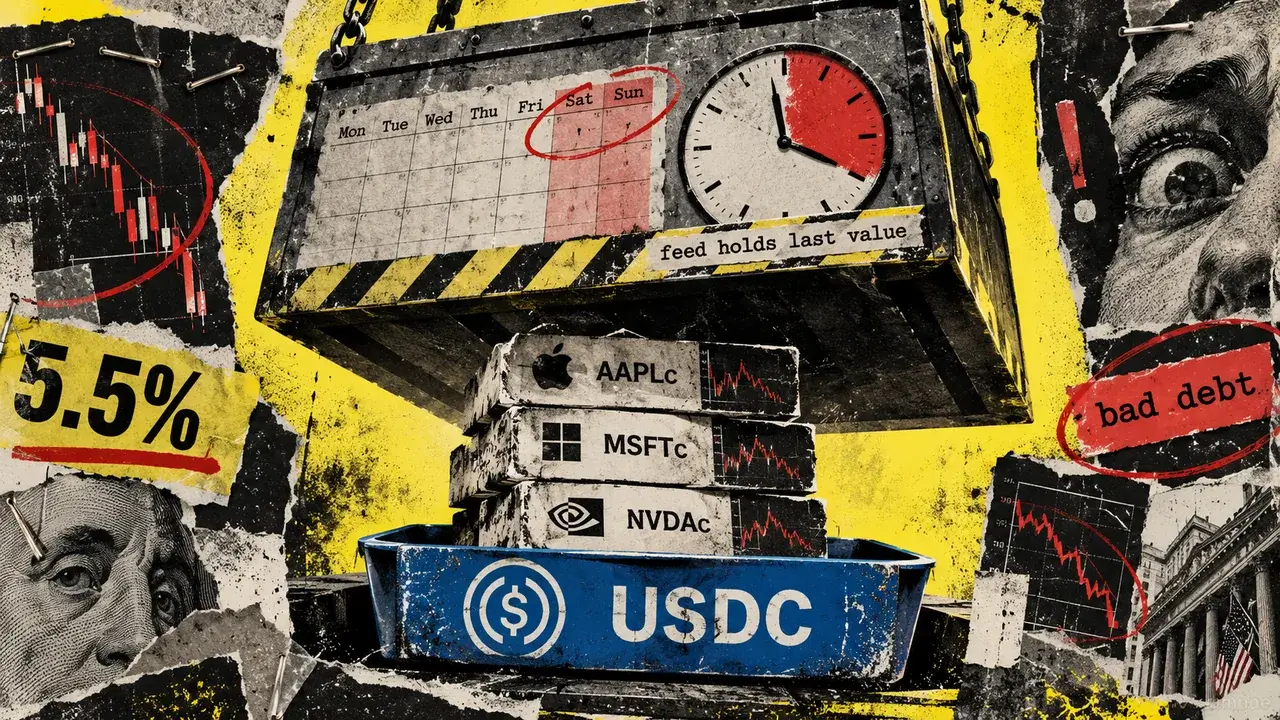
Aave’s live stock-token loans expose USDC lenders to a weekend price gap
Aave's Base market has accepted seven Coinbase stock tokens as collateral for USDC loans since Sept. 25, giving the stablecoin sup...