Working Study Says Despite Legal Tender Status, Bitcoin Is Not a Widely Accepted Medium of Exchange in El Salvador
According to a working study published by the U.S. National Bureau of Economic Research (NBER), most Salvadorans stopped using the Chivo wallet after getting their $30 bitcoin bonus. The report shows that the median Chiv...
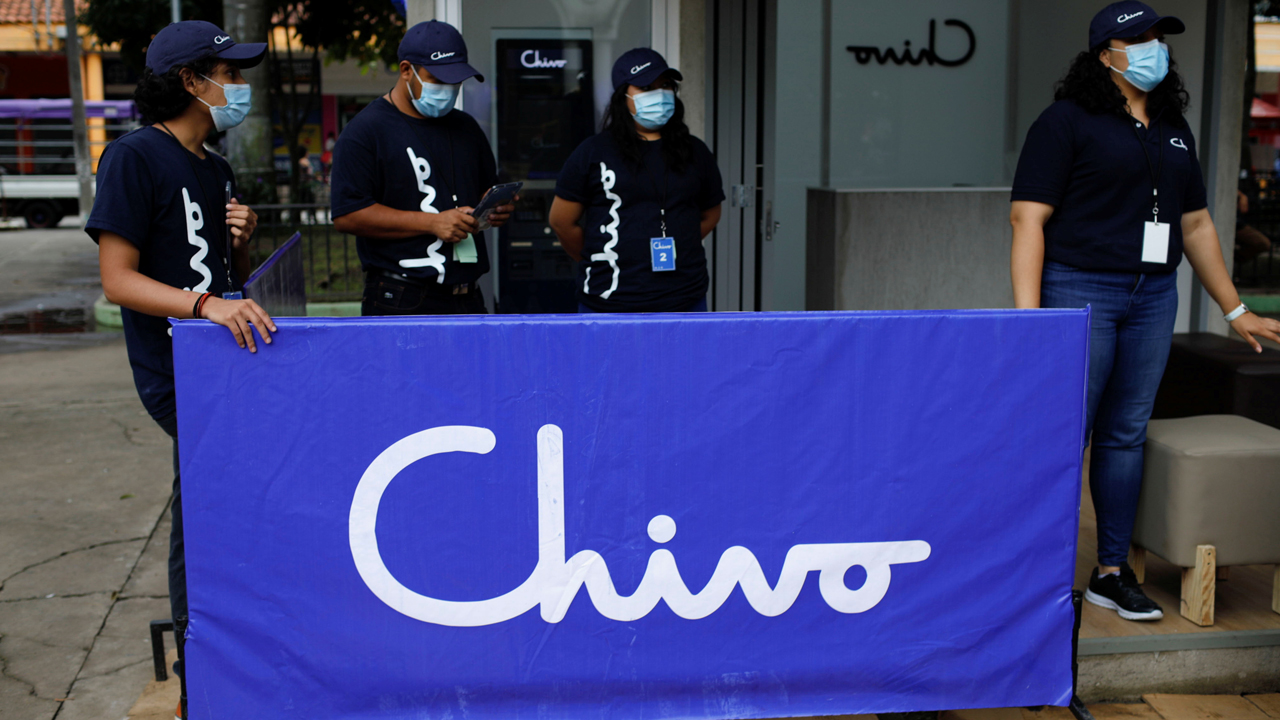
According to a working study published by the U.S. National Bureau of Economic Research (NBER), most Salvadorans stopped using the Chivo wallet after getting their $30 bitcoin bonus. The report shows that the median Chivo wallet user made no deposits or withdrawals in a given month.
NBER Study: Only 4 out of 10 Salvadorans Use Chivo Wallet After Government’s Bitcoin BonusAn April 2022 working study published by the NBER, asks if cryptocurrencies are indeed currencies after researching bitcoin (BTC) as legal tender in El Salvador. NBER conducted a face-to-face survey with 1,800 Salvadoran households during the month of February 2022. The study shows that Salvadorans are not using the Chivo wallet that much and in February, El Salvador’s central bank noted that only 1.6% of remittances were sent via digital wallets.
“Most users who used Chivo after spending the $30 bonus do not engage with the app intensively,” the report highlights. In fact, the NBER researchers found that the fixed cost to adopt the Chivo wallet was very large. Moreover, if it wasn’t for the $30 bitcoin bonus, the study estimates that 75% of the Salvadorans surveyed would have never used it. NBER researchers note that only four out of ten people who downloaded Chivo wallet are actually using the application.
88% of Bitcoin Accepting Businesses Convert Back to Dollars, Study Concludes by Noting Bitcoin Is Not a Widely Accepted Currency in El Salvador“The elasticity of substitution between Chivo Wallet and other methods of payment seems to be large,” the study adds. “On net, among Chivo Wallet users, 10% report spending less in cash, and 11% report reducing their use of debit or credit cards since they downloaded Chivo.”
Unfortunately, despite all the reporting that says otherwise, NBER’s study claims only 20% of Salvadoran businesses reported on accepting bitcoin as a medium of exchange. 90% of those businesses were enterprises and “88% of businesses transform money from sales in bitcoin into dollars.” NBER’s findings further note that roughly 5% of Salvadorans paid their tax obligations via bitcoin (BTC).
“Overall, despite the legal tender status of bitcoin and the large incentives implemented by the government, the cryptocurrency is largely not an accepted medium of exchange in El Salvador,” the NBER research paper concludes.
What do you think about the NBER’s study and findings among the 1,800 Salvadoran households? Let us know what you think about this subject in the comments section below.
Original source
Read on Bitcoin NewsRelated market context
Coinbase report flags Bitcoin cold wallets exposed to quantum risks
The potential quantum threat to Bitcoin highlights the urgent need for governance solutions to protect vulnerable assets and ensur...

Coinbase quantum report flags exchange cold wallets among millions of bitcoin exposed by address reuse
The report lays out possible solutions to the abandoned coins problem, such as setting a deadline for migration and then freezing...

Coinbase Quantum Report Warns Millions Of Bitcoin Could Face Future Security Risks
TL;DR Coinbase’s Quantum Advisory Council published a report on post-quantum migration and abandoned coins. The report estimates t...

Bukele’s Reform Makes El Salvador a Top Tax Haven: 0% on Foreign Income and Bitcoin Gains with Minimal Presence
Bitcoin Magazine Bukele’s Reform Makes El Salvador a Top Tax Haven: 0% on Foreign Income and Bitcoin Gains with Minimal Presence E...

Humanity Protocol’s $36M hack linked to suspected North Korean hackers, Quantstamp reports
The incident underscores the urgent need for improved cybersecurity measures and key management practices to protect against sophi...
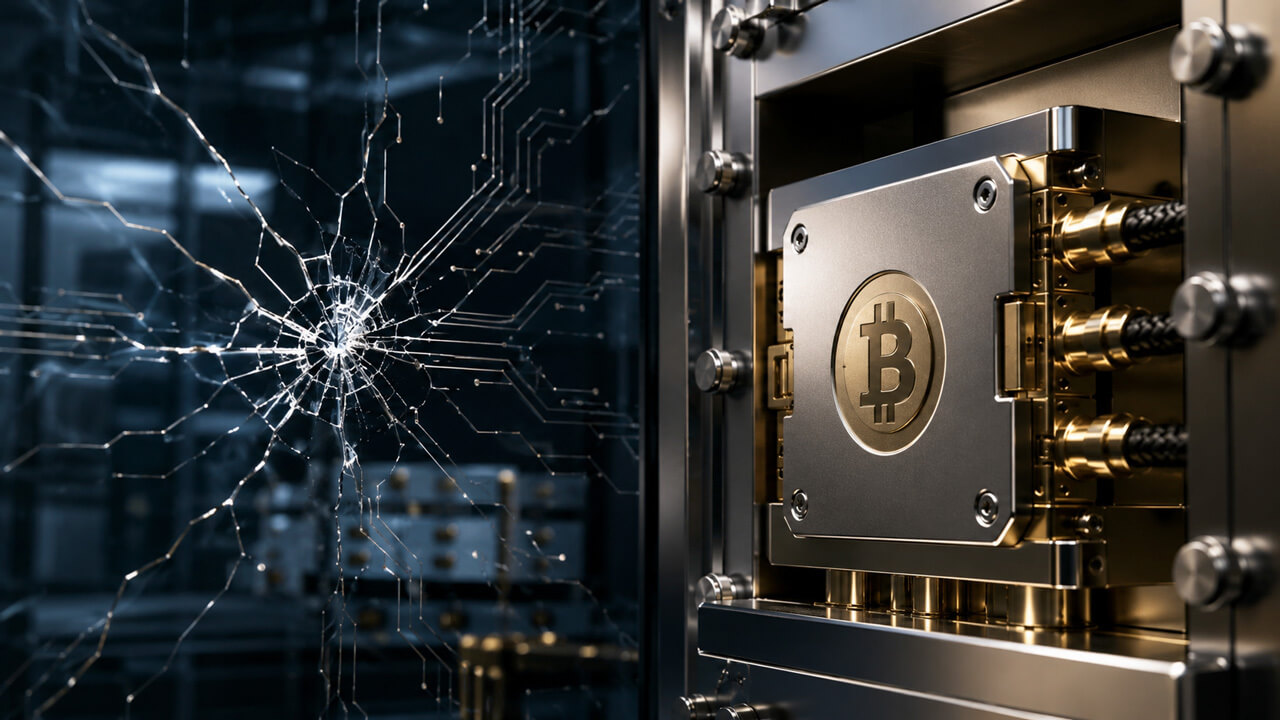
Banks are buying Bitcoin vaults, but a quantum problem may be waiting inside
The banks are finally buying the vaults. In May, BNY, the world's largest custodian with $59.4 trillion in assets under custody an...