$690B Stablecoin Opportunity? Crypto CEO Tells Senate Digital Assets Can Cut Costs
Key Takeaways: Cody Carbone, CEO of Digital Chamber, told the United States Senate that digital assets can help reduce payments, remittance and asset ownership costs. Stablecoins and payment rails built on blockchain cou...
Archive context
Older archive item. Useful for background and entity history, but not a fresh market-moving signal.

Key Takeaways:
- Cody Carbone, CEO of Digital Chamber, told the United States Senate that digital assets can help reduce payments, remittance and asset ownership costs.
- Stablecoins and payment rails built on blockchain could cut costs of cross-border payments and merchant transactions.
- Tokenization can enhance the transfer of ownership, real estate transactions, and investment markets.
User Score
8.7
Follow us on Google NewsThe Digital Chamber of Commerce’s CEO Cody Carbone appeared before lawmakers in Washington to discuss how technological blockchain blocks could help alleviate financial friction for households and businesses in America.
In the Senate Banking Committee, Carbone testified that crypto is not an inflation- or housing-busting tool, but can reduce payment, remittance and asset transfer costs.
Stablecoins Could Reduce Cross-Border Payment CostsIn the realm of remittances, the United States is the world’s leading sender of outbound transfers and Carbone emphasized that as well.
Remittances to indicated countries in the phase’s bottom quartile were hundreds of billions of dollars per year and average transfer fees exceeded international targets. Figures provided during the hearing show that fees for sending $200 abroad are still greater than $12.
By converting value to flow freely through blockchain networks, regulated stablecoins on the dollar could lower those costs, he said. The infrastructure of stablecoins can render such transactions more efficient, cheaper and transparent, Carbone said.
Read More: TRON Hits Massive $167B Stablecoin Volume as Network Activity Tops 10.6M Transactions
Business Payments Are Becoming a Major Stablecoin MarketThe testimony stressed the issue of the increasing adoption of stablecoins in B2B payments.
Recent industry estimates suggest that B2B transactions now represent a majority of stablecoin payment activity globally. Companies increasingly use stablecoins for treasury operations, supplier payments, and international settlements.
Payment Competition Could Lower Merchant CostsThe Digital Chamber CEO also pointed to payment processing costs inside the United States. Card payments dominate consumer spending, but merchants continue to absorb interchange fees and processing expenses that eventually affect prices.
According to figures cited during the hearing, payment network costs remain a major burden for businesses, particularly smaller merchants operating with narrow profit margins.
Carbone said regulated stablecoins should compete alongside cards, bank transfers, and existing payment methods rather than replace them. The blockchain payment rails could provide quicker settlement at reduced transaction fees to give merchants more options and push added rivalry into the payments marketplace.
Read More: $33 Trillion Stablecoin Boom: USDC Leads as Crypto Payments Race Toward $56T by 2030
Tokenization Expands Beyond Crypto MarketsTokenization also was the topic of much of the testimony. Carbone suggested that blockchain ownership records may lower administrative expenses within financial markets, supply chains, collateral management, and in real-estate deals.
There may be a lot of paperwork and many intermediary stages for property purchase, title transfer, settlements, and property ownership verification. Some of those components of those processes could be streamlined by a tokenized system.
The testimony included a forecast indicating that in the next decade, tokenized assets could be worth trillions of dollars in total value. Regulatory clarity is still crucial, Carbone added.
The post $690B Stablecoin Opportunity? Crypto CEO Tells Senate Digital Assets Can Cut Costs appeared first on CryptoNinjas.
Why this matters
TRON is showing up inside the Stablecoins theme, so this story is worth tracking for follow-through rather than treating it as a one-off headline.
Original source
Read on CryptoNinjasRelated market context

TRON captures 23% of stablecoin card volume in Q3 2026
TRON's significant share in stablecoin card volume highlights its growing influence in digital payments, but competition remains f...
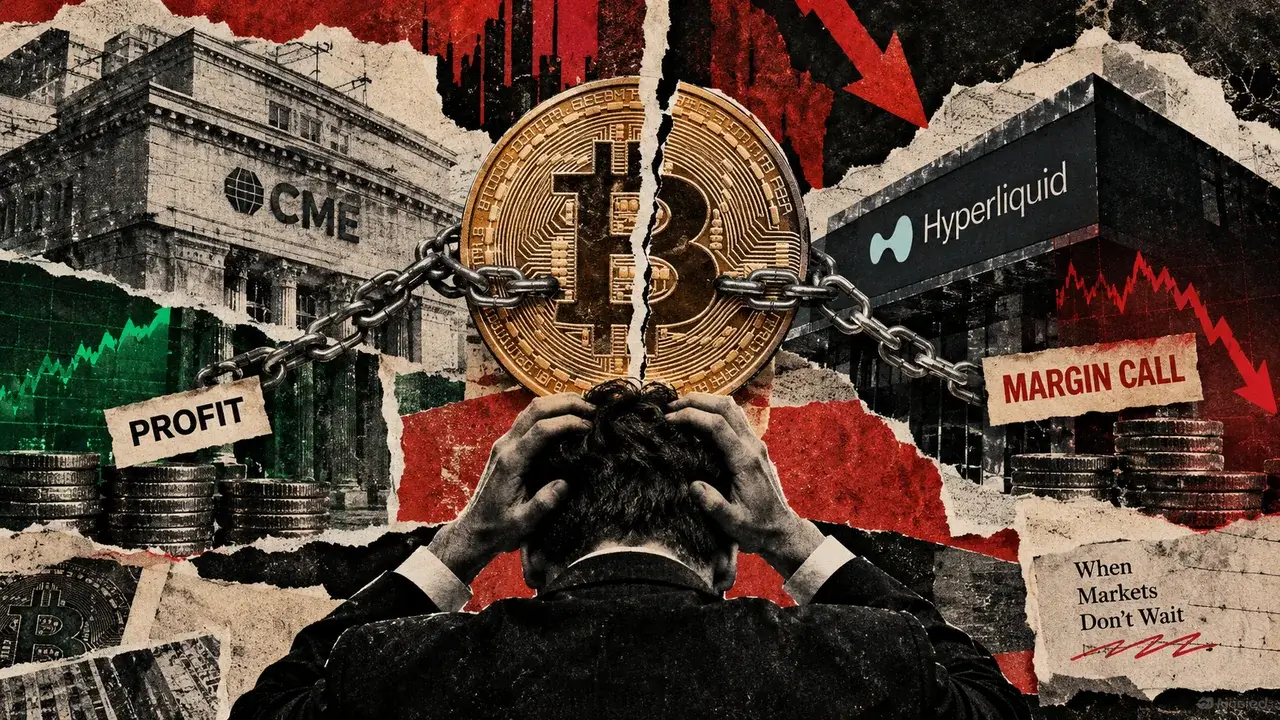
Bitcoin hedge funds face a liquidation trap when their collateral is split across markets
Here's a hypothetical situation: a hedge fund is making money, but one of its exchanges is about to liquidate its position anyway....

French Committee Approves Tax on Stablecoin Conversions From 2027
The proposal, which the National Assembly plenary must discuss and approve before it becomes law, would approve a tax on conversio...

Bank of England says it will be ‘the banker to the stablecoin’
The Bank of England's support for stablecoins could enhance financial stability and innovation, influencing global regulatory appr...

Coinbase and Gennius plan ONED USD stablecoin access through Latin American banks
Coinbase's partnership with Gennius could reshape Latin American banking by integrating stablecoins, enhancing financial inclusion...
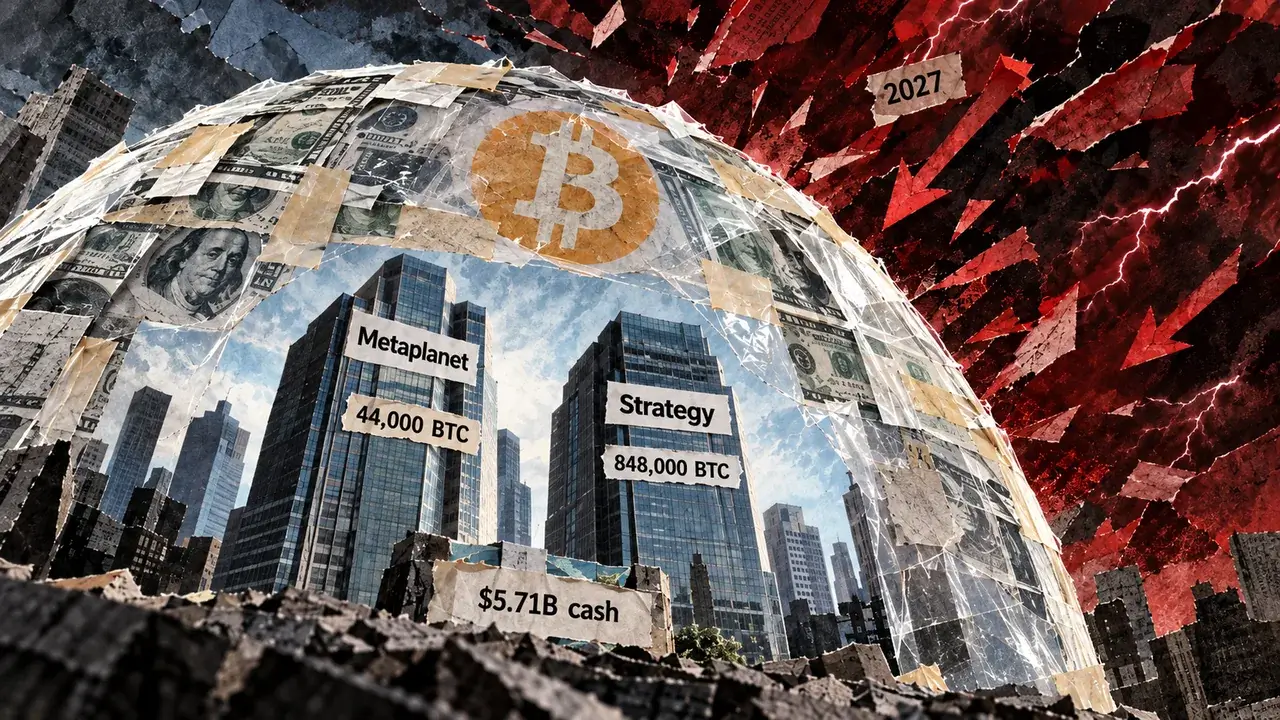
Bitcoin companies are learning that holding forever takes cash
Metaplanet sold 10,000 BTC and bought back 11,000 at a higher average price to show it was willing to sell its Bitcoin. The Japane...